Goat Feeding & Nutrition
Goats (Capra hircus) are India's most numerous small ruminant — about 150 million animals, making India the world's largest goat-producing nation. Often called the "poor man's cow", goats are central to rural livelihoods because they require little capital, thrive on poor-quality forage, breed prolifically (often twins or triplets), and convert browse into both meat and milk efficiently. India produces roughly 35% of global goat milk and a large share of global goat meat.
How goats differ from sheep, cattle, and buffalo
Despite the "small ruminant" pairing with sheep, goats have several unique characteristics:
- Browsers, not grazers — goats prefer shrubs, tree leaves, and woody plants over grass. They reach up to eat foliage that sheep and cattle cannot
- Higher protein requirement per kg of body weight than cattle or sheep, especially in milking does and pregnant females
- Better mineral tolerance than sheep — goats handle the slightly higher copper levels in cattle mineral mixture better than sheep do, though sheep-and-goat specific mineral mixture is still preferred
- No urea tolerance for kids — adult goats handle small amounts of non-protein nitrogen under careful management, but kids and lactating does should never receive urea-containing feed
- Higher concentrate inclusion than sheep — goats can productively use 10–15% concentrate of body weight in DM, where sheep stay around 5–10%
- Greater per-kg productivity — a 30 kg doe yielding 1.5–2.5 L/day of milk produces a far higher proportion of body weight in milk than a cow
- Year-round breeding — does come into heat every 18–21 days outside the deep summer months, vs cows' annual cycle
These features make goat feeding more concentrate-friendly and protein-intensive than sheep feeding, but smaller in absolute volume than cattle feeding.
Indian goat breeds by purpose
| Breed | Region | Primary use | Notes |
|---|---|---|---|
| Jamunapari | UP (Etawah belt) | Milk + meat | Tallest Indian breed, milk yield 2-3 L/day |
| Beetal | Punjab | Milk + meat | Similar to Jamunapari, slightly hardier |
| Sirohi | Rajasthan | Meat | Hardy, drought-tolerant |
| Barbari | UP, Rajasthan | Milk + meat | Compact, prolific (often twins) |
| Black Bengal | West Bengal, Bihar | Meat + premium skin | Small body, very prolific |
| Osmanabadi | Maharashtra | Meat | Adapted to Maharashtra terrain |
| Malabari | Kerala | Milk + meat | Coastal-adapted |
| Gohilwadi | Gujarat | Meat | Saurashtra meat breed |
For commercial Indian goat dairies (a growing segment), Jamunapari and Beetal are the leading milk breeds. For meat production, the choice depends on regional adaptation — Black Bengal in eastern India, Sirohi/Marwari in the west, Osmanabadi in central India.
Feeding system: browse + concentrate + supplementation
The most productive Indian goat operations combine:
- Browse access — shrubs, tree leaves (subabul, sesbania, leucaena), and weed forage in the grazing area
- Concentrate supplementation — typically 200–500 g/day per adult goat, 1–2% of body weight
- Sheep-and-goat specific mineral mixture at 10–20 g/day
- Salt offered free-choice
- Clean water 2–4 litres/day per adult
A typical concentrate mix for goats: maize 30-35%, soybean meal or groundnut cake 25-30%, wheat bran 25-30%, mineral mixture 2%, salt 1%, plus molasses at 2-3% for palatability.
See our sheep and goat feed guide for detailed inclusion rates by body weight and life stage.
Stage-specific priorities
- Kid (0–3 months) — milk from the doe is primary; introduce small-grain creep feed and good-quality green leaves from week 3. No urea, ever
- Growing kid (3–9 months) — fastest growth phase; concentrate at 2-3% of body weight, high protein (16–18% CP)
- Lactating doe — protein and energy demand rises sharply; increase concentrate by 50–100% over the maintenance level
- Pregnant doe (last 6 weeks) — supporting fetal growth (often twins); pregnancy toxaemia risk if under-fed
- Breeding buck — moderate concentrate; rotation through breeding seasons; protein at 14-16%
- Adult / non-producing — browse + minimal concentrate (200 g/day) + minerals
Common goat feeding challenges in India
- Worm infestation during monsoon — heavy parasite burden in waterlogged grazing; routine deworming is non-negotiable
- Coccidiosis in kids — bacterial-protozoal mix in monsoon damp conditions; covered conceptually alongside calf scouring but kid-specific
- Pregnancy toxaemia in twin-pregnant does — under-fed does in last 6 weeks of pregnancy crash metabolically
- Heat stress in May–June — goats tolerate dry heat well but suffer in humid heat; shade is critical
- Over-supplementing copper — cattle mineral mixture has copper levels that are fine for goats short-term but risky if fed continuously. Use sheep-and-goat-specific mineral mixture when available
Articles for goat feeding
The article cards below cover goat nutrition by life stage. For ingredient-level depth, see our raw materials and supplements sections. Daily wholesale prices on the 21 commodities used in compound and homemade goat feed are tracked on the prices dashboard each working day.
Kid
Lactating
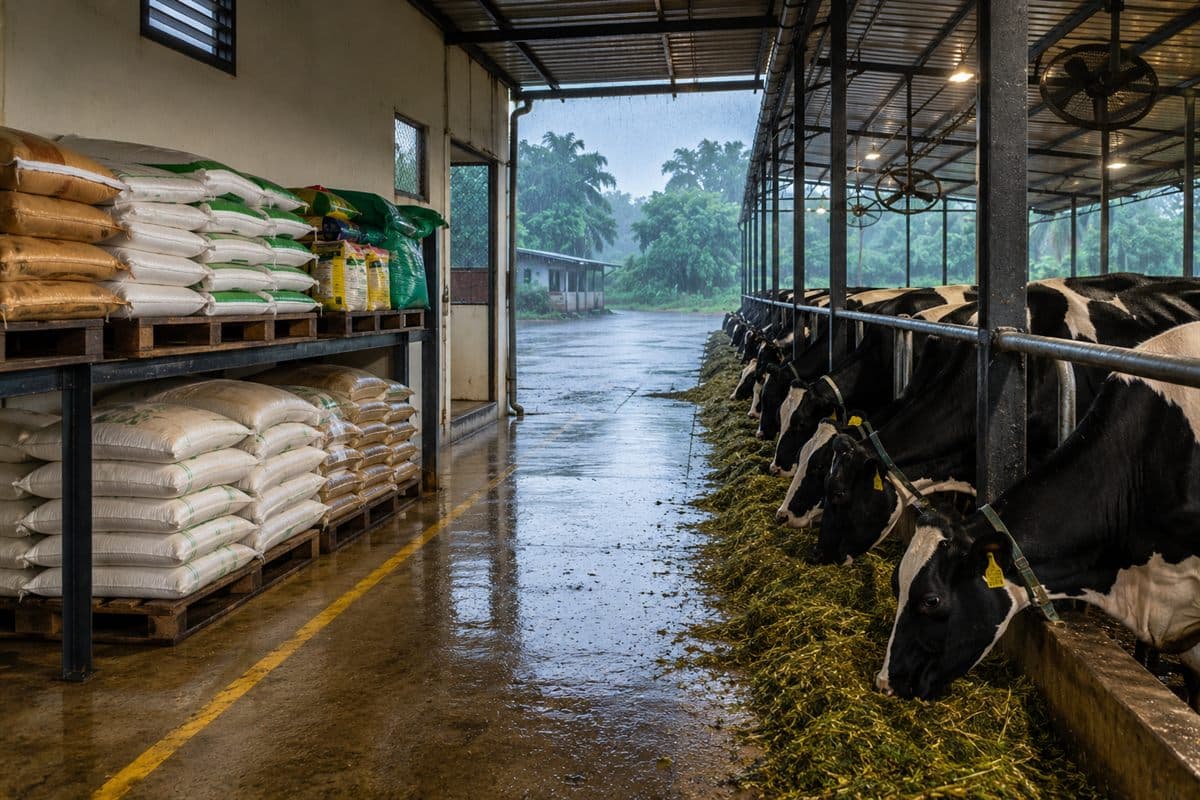
Monsoon Dairy Management: Protect Cattle, Feed & Milk Yield
Monsoon dairy management for Indian farmers — feed mould and aflatoxin control, mastitis prevention, hoof care, and a pre-monsoon checklist.
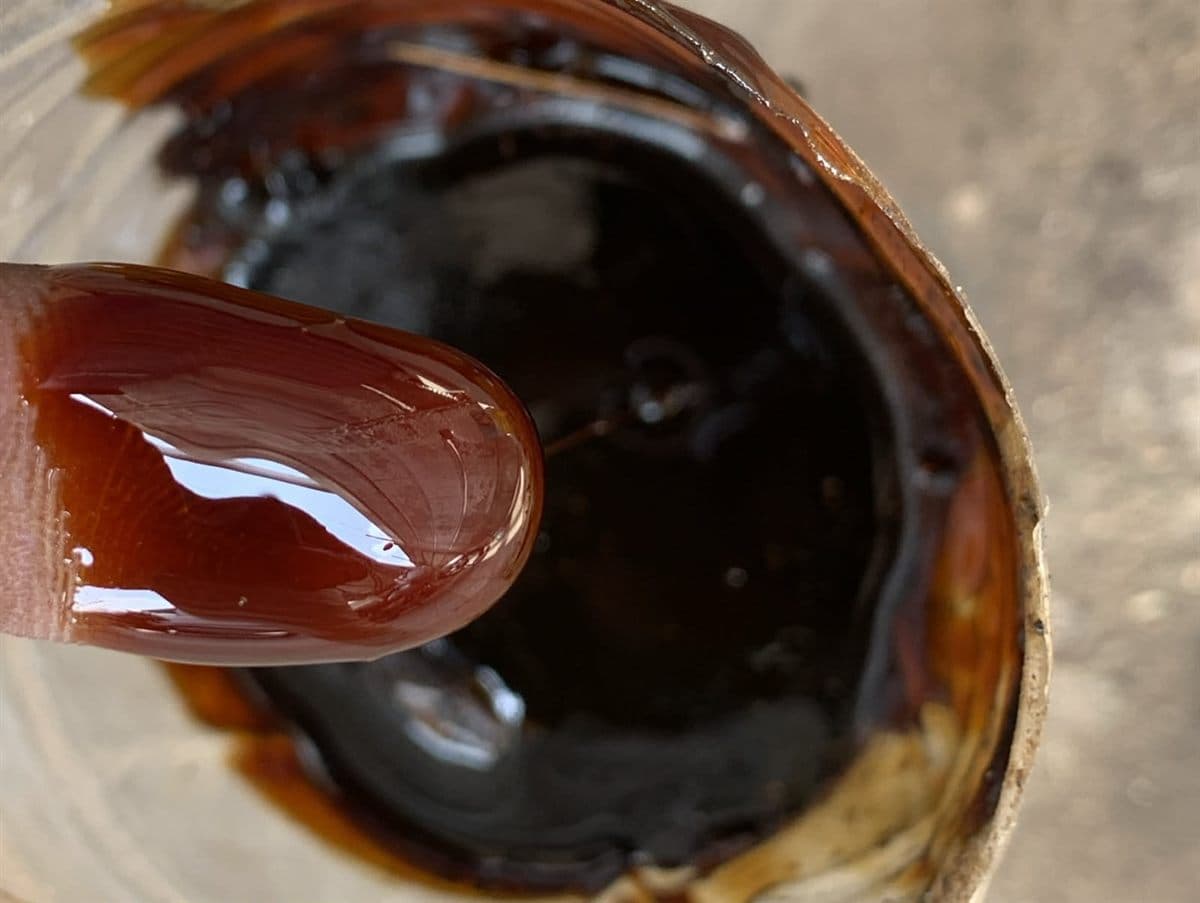
Liquid Molasses in Cattle Feed — Specs, Inclusion Rate, Tenders & Sourcing in India
Liquid molasses in Indian cattle feed pellets — Grade A specs, Brix and moisture, inclusion rate, tender sourcing, and the 2026 UP shortage.
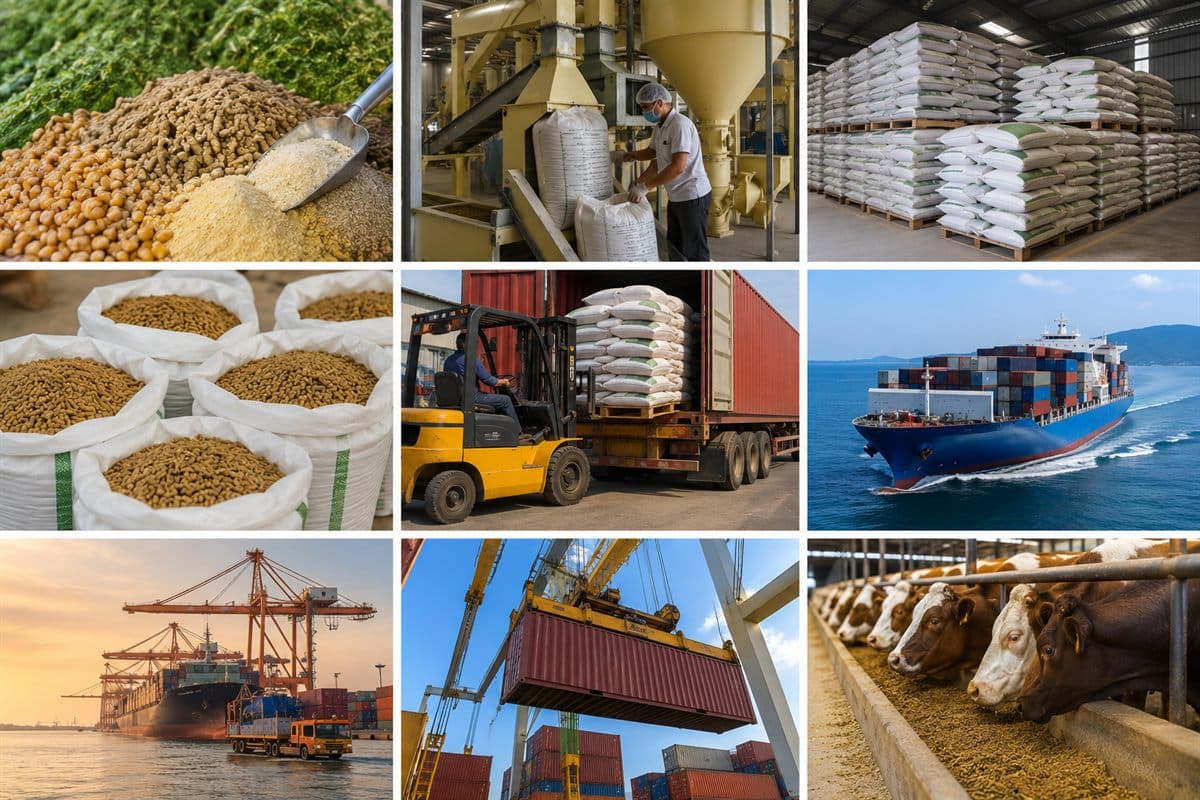
How to Export Cattle Feed from India — Documents, Buyers, Packaging & Container Loading
Export cattle feed from India — documents, buyer sourcing, payment terms, packaging, container loading, and common mistakes to avoid.
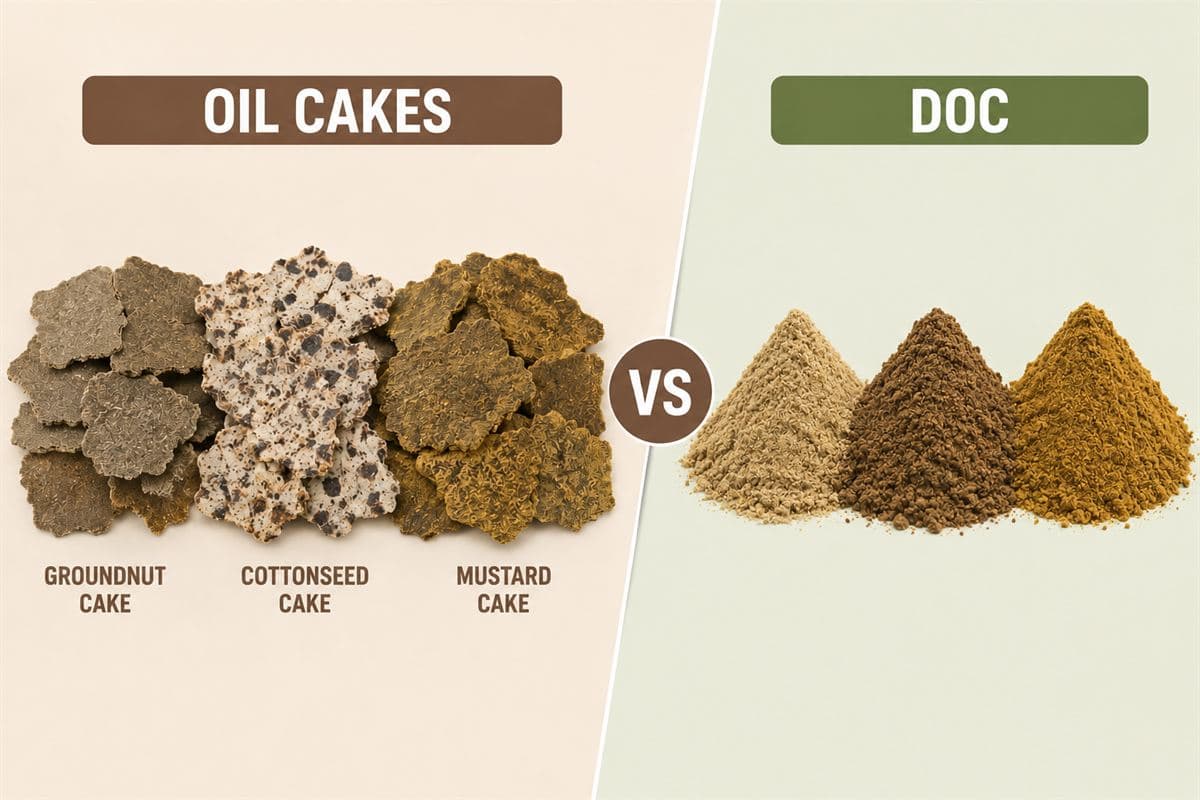
Oilseed Cake vs DOC (De-Oiled Cake / Meal) — Cottonseed, Groundnut & Mustard
Cake vs DOC (de-oiled cake/meal) in Indian cattle feed — cottonseed, groundnut, mustard. Protein, fat, price per protein, and when to use which.
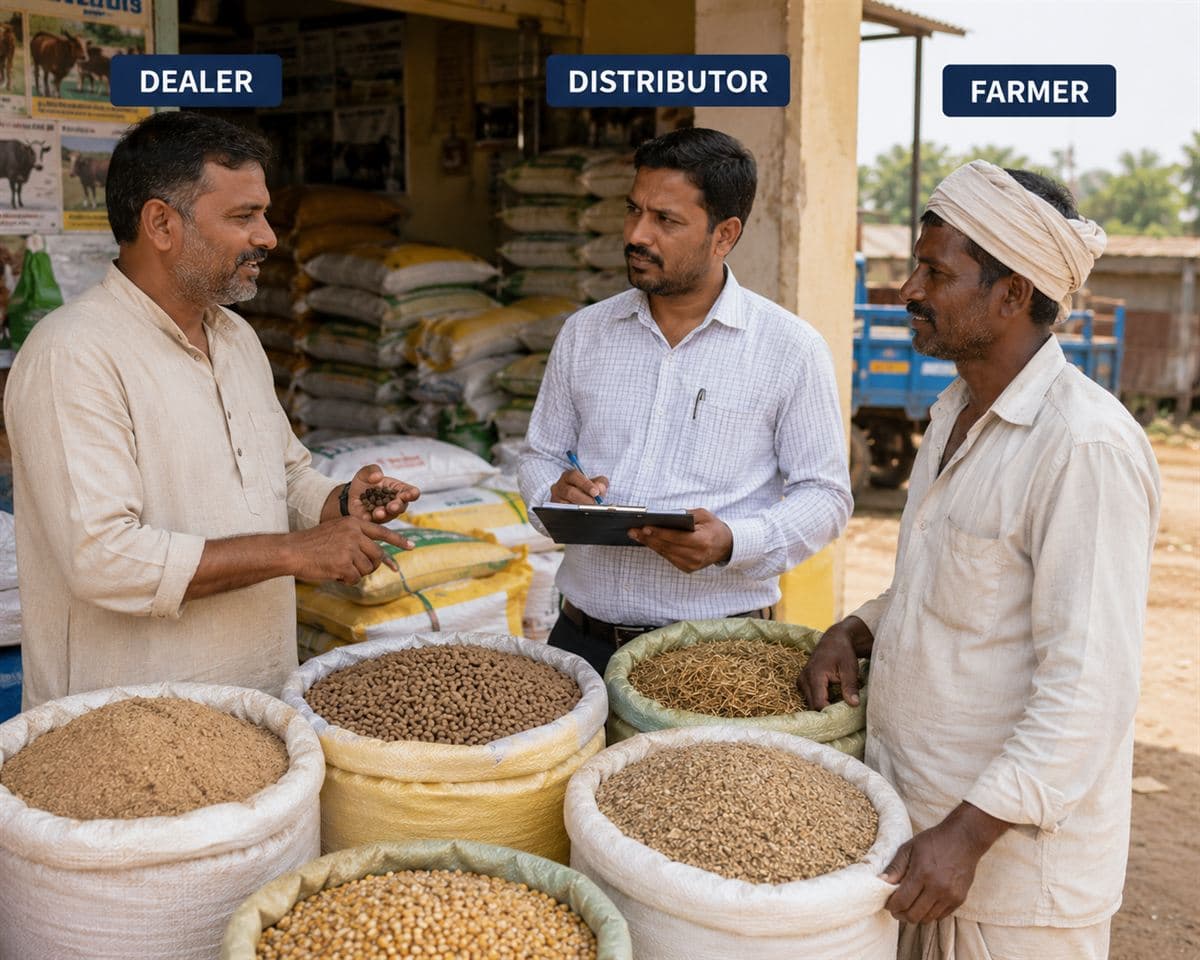
How Cattle Feed is Sold in India — The 5 Distribution Channels Explained
How cattle feed actually moves from factory to farmer in India — dealers, BMCs, distributor warehouses, schemes, and in-bag farmer gifts explained.
Cattle Insurance in India — Schemes, Premiums & Claim Process (2026)
Complete guide to cattle insurance in India — government schemes, premiums (2.5-4.5%), subsidies up to 90%, claim process, and how to apply.
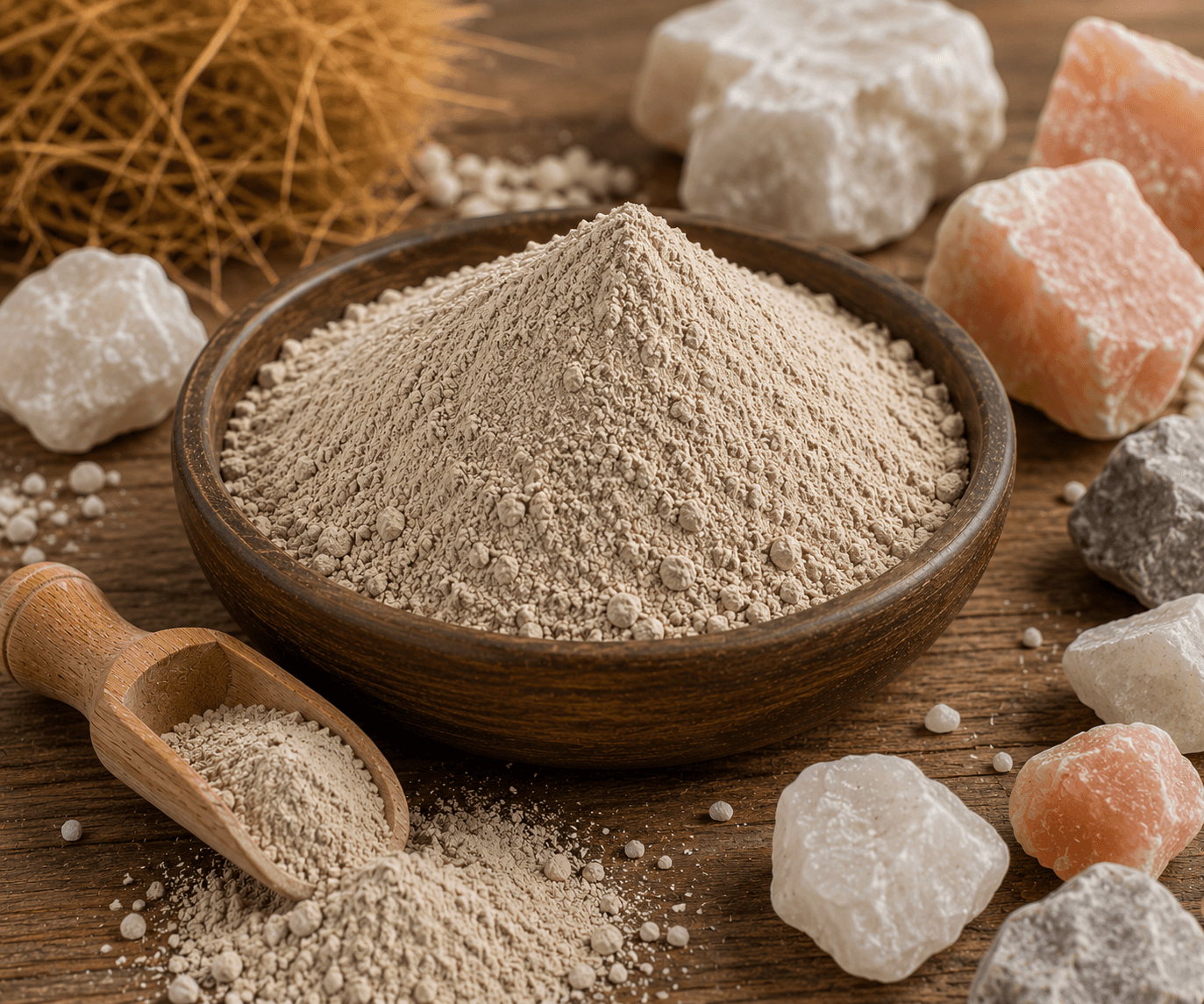
Mineral Mixture for Cattle Feed
Mineral mixture for Indian dairy — NDDB-prescribed formulation, role of each mineral, daily dose for milch animals and calves, and quality checks.
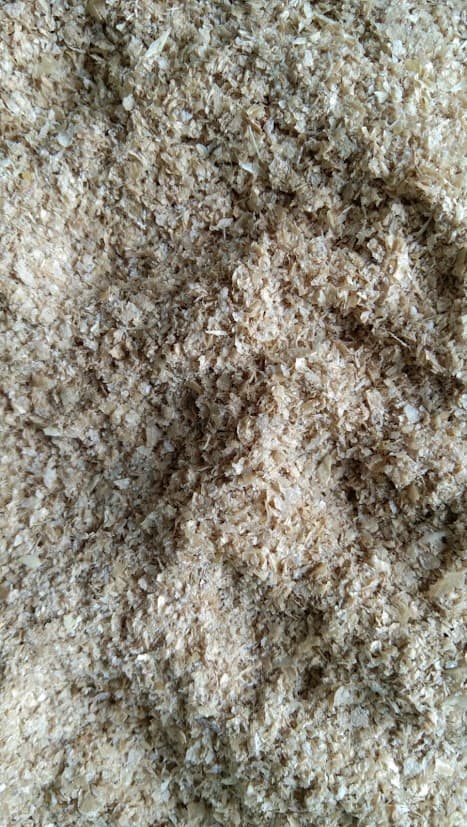
Wheat Bran (Gehu Chokar) in Cattle Feed
Wheat bran (gehu chokar) in Indian cattle feed — fine, super fine, and coarse types, 15% protein, and why DORB is replacing it in compound feed pellets.
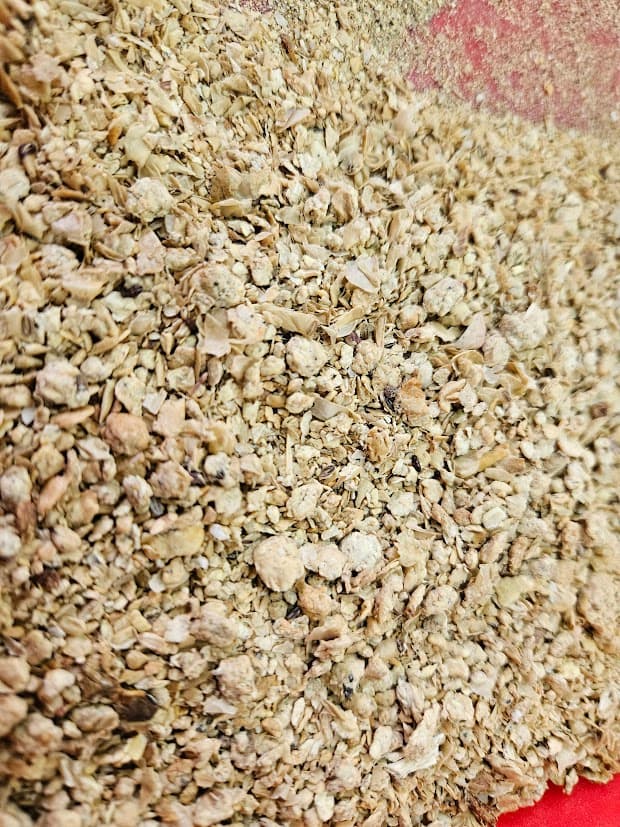
Soybean Meal in Cattle Feed
Complete guide to soybean meal in Indian cattle feed — three grades (45/48/50% protein), BIS standards, inclusion rates for cow, buffalo, sheep, and goat.
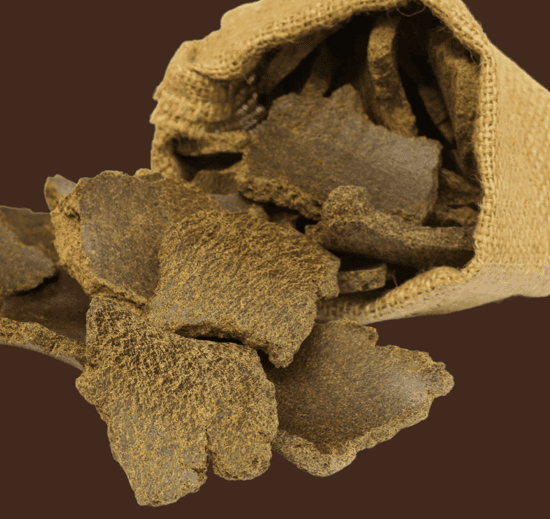
Mustard Cake (Sarson Khal) in Cattle Feed
Mustard cake (sarson khal) in Indian cattle feed — 28-32% protein, expeller vs solvent-extracted, glucosinolate limits, and Rajasthan sourcing.
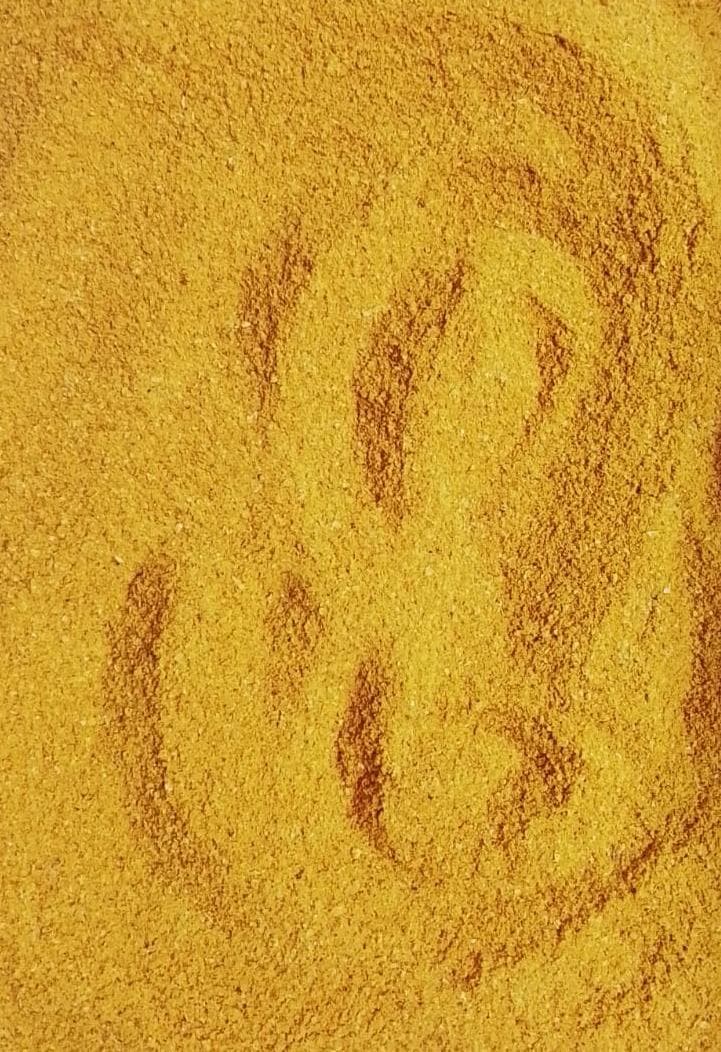
Maize DDGS, Rice DDGS and Maize DOC in Cattle Feed
Complete guide to DDGS in Indian cattle feed — Maize DDGS, Rice DDGS, and Maize DOC. Protein and fat specs, colour-quality link, aflatoxin risk, dosing.
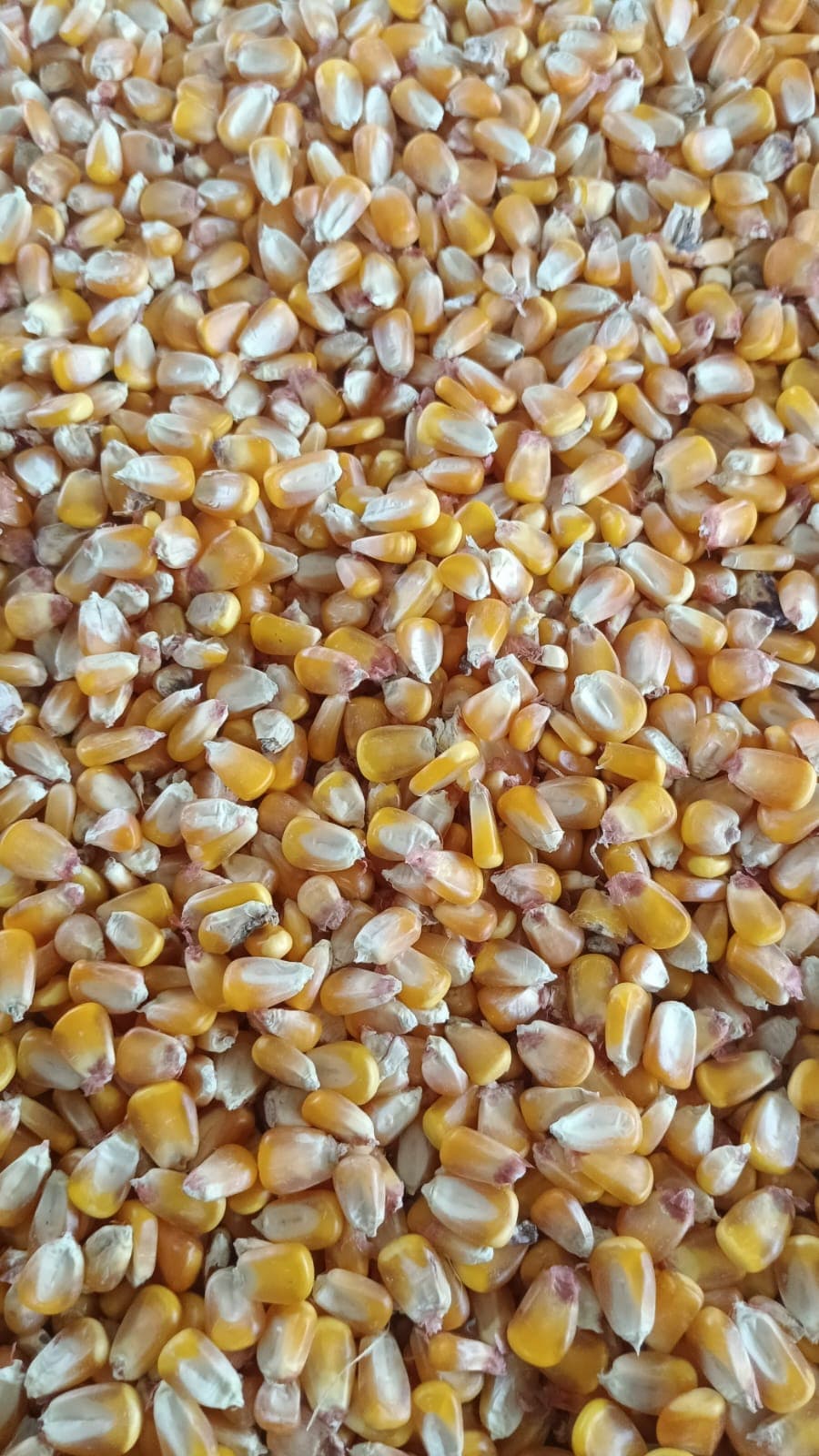
Maize as Cattle Feed
Maize in Indian cattle feed — protein and starch profile, the 10–35% inclusion rate, moisture and aflatoxin limits, acidosis prevention, and storage.
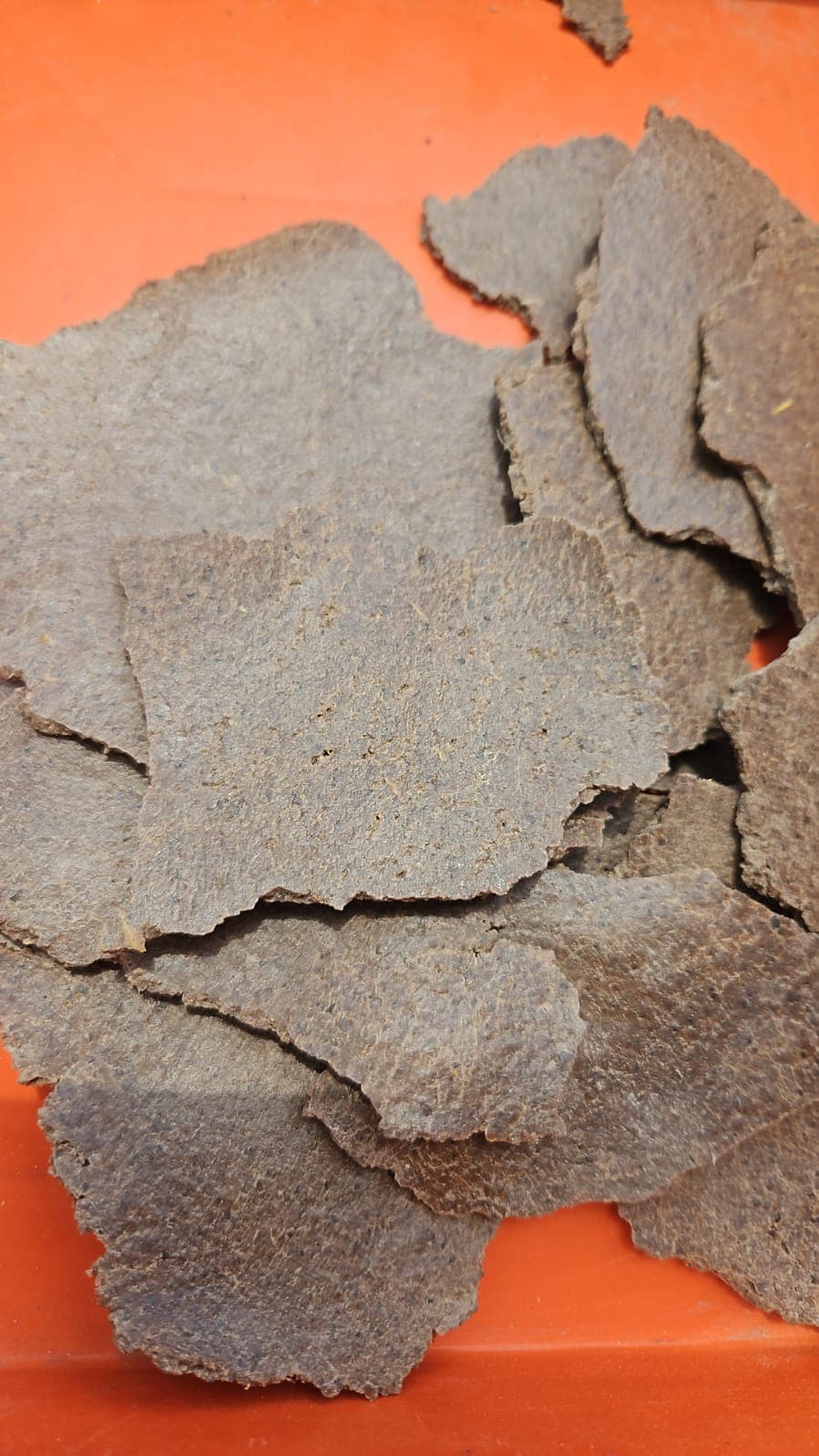
Groundnut Cake (Mungphali Khal) in Cattle Feed
Groundnut cake (mungphali khal) in Indian cattle feed — 38-45% protein, coin-shape sizing, aflatoxin risk, BIS limits, and Saurashtra sourcing.
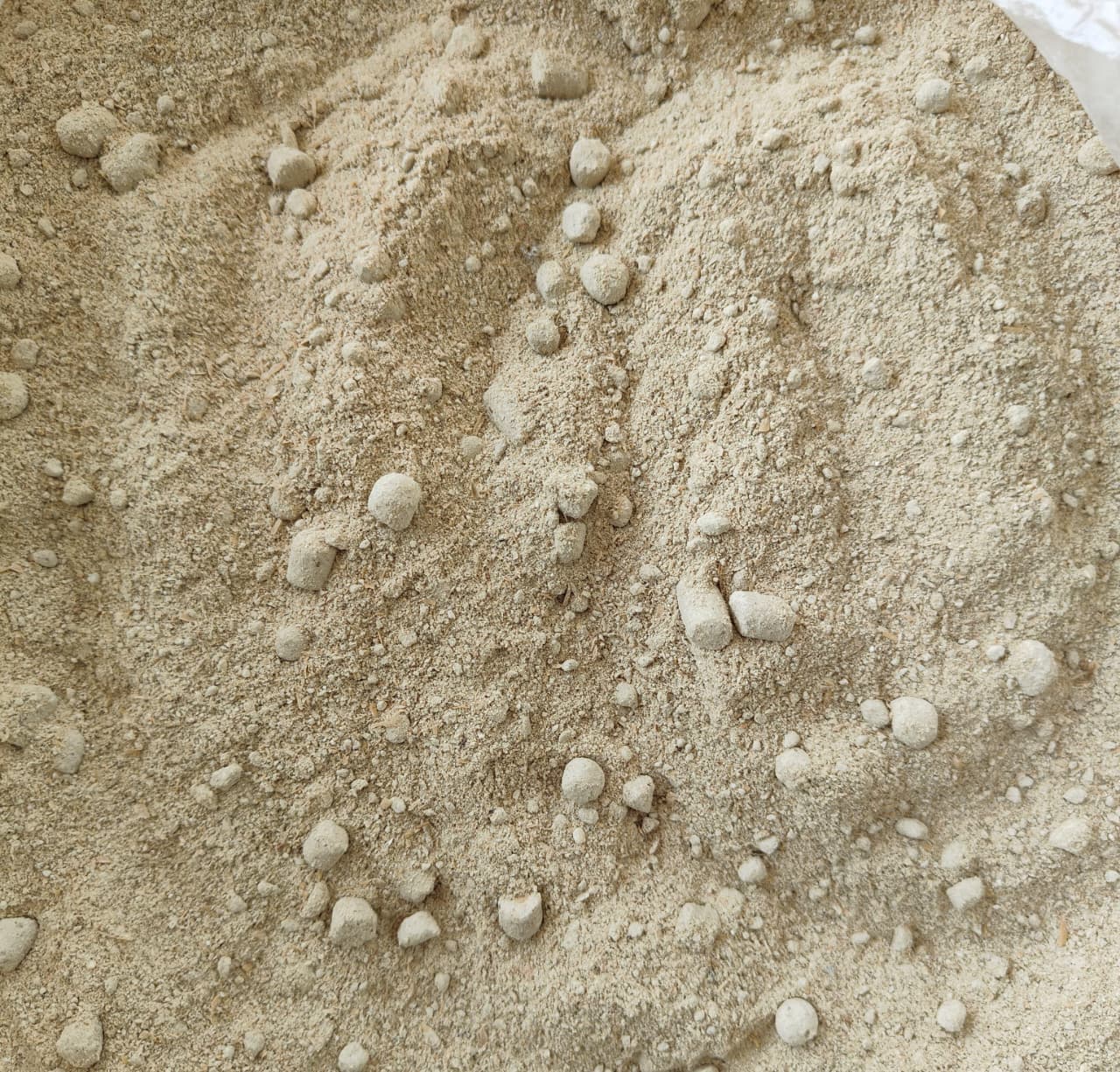
De-Oiled Rice Bran (DORB) in Cattle Feed
DORB in Indian cattle feed — 16-17% CP and 12-14% CF, why it's the main pellet raw material, BIS aflatoxin limit, adulteration tests, and inclusion rates.
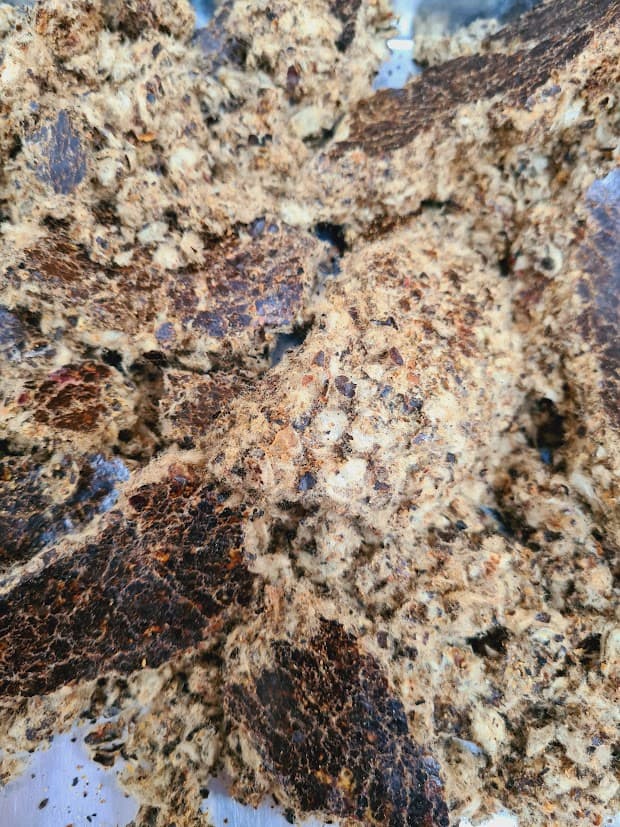
Cotton Seed Cake in Cattle Feed (Binola Khal)
Complete guide to cotton seed cake (binola khal) in Indian cattle feed — 22% protein, 12-14% fat for premium grade, gossypol, inclusion rates, prices.
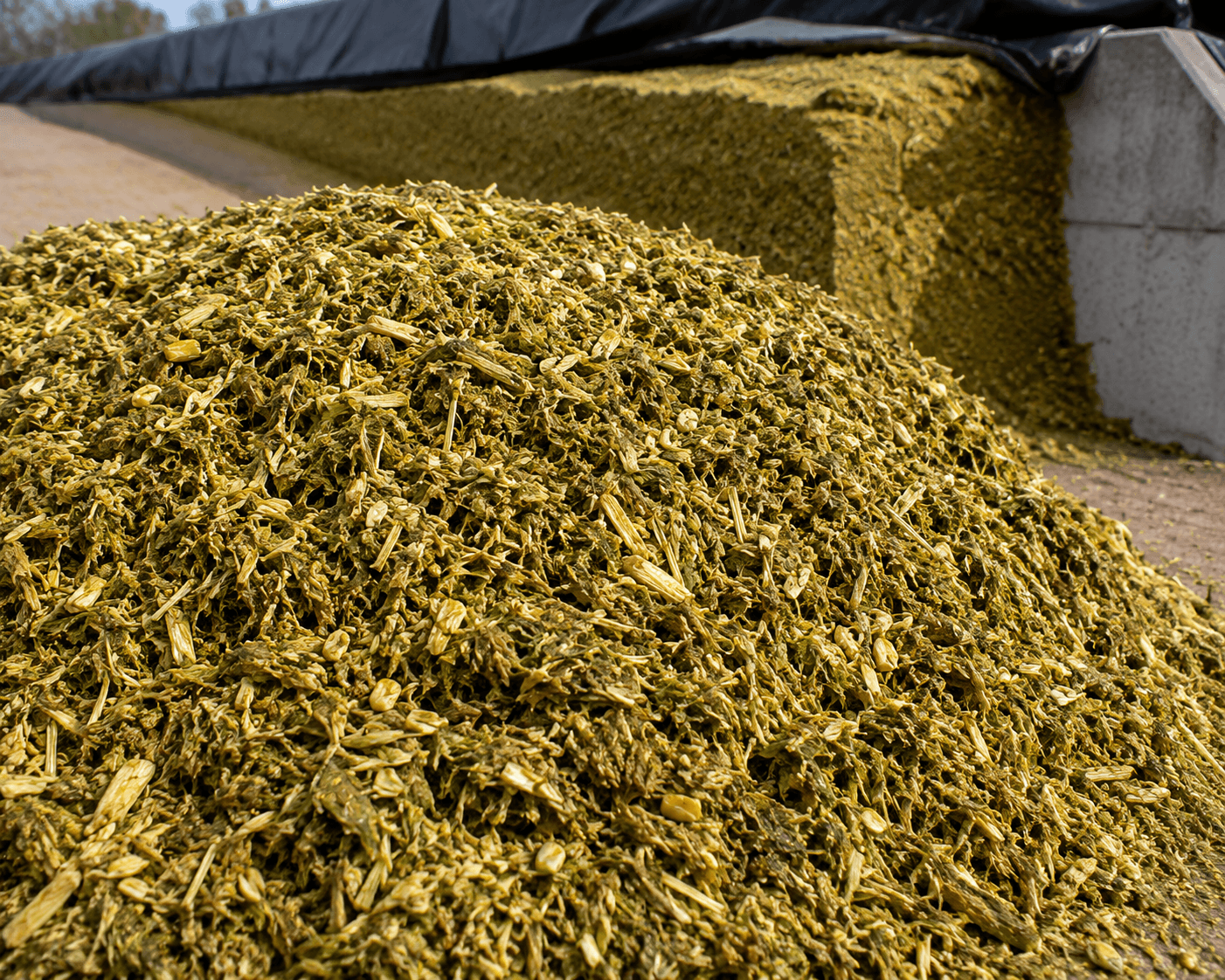
Silage Making for Cattle: Complete Guide
Complete silage making guide for Indian dairy — maize silage process, moisture and chop length targets, sealing, fermentation, and quality checks.
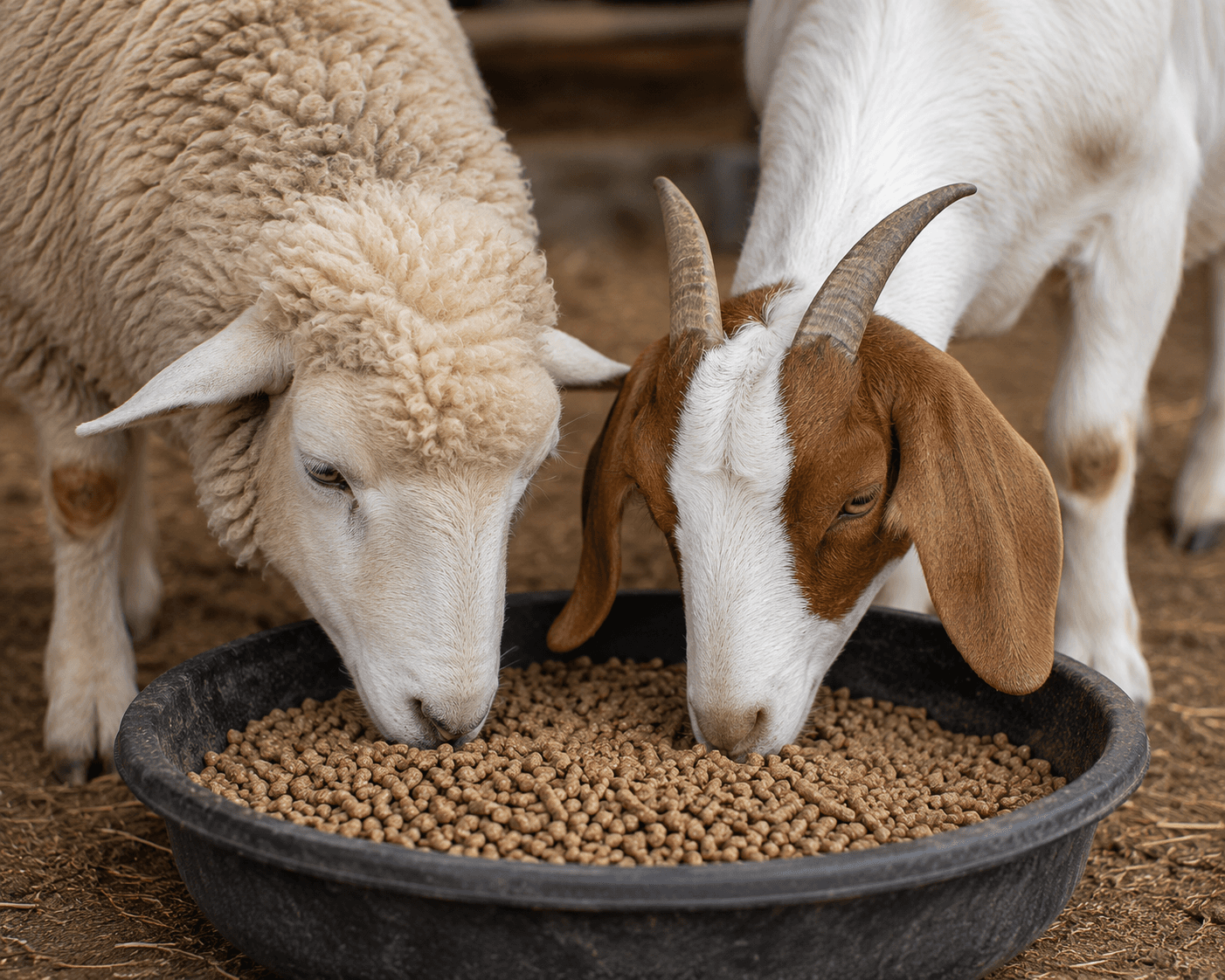
Sheep and Goat Feed: Complete Guide for Indian Smallholders
Sheep and goat feed in India — daily concentrate rate by body weight, why feed is urea-free, sheep vs goat differences, and breed-specific notes.
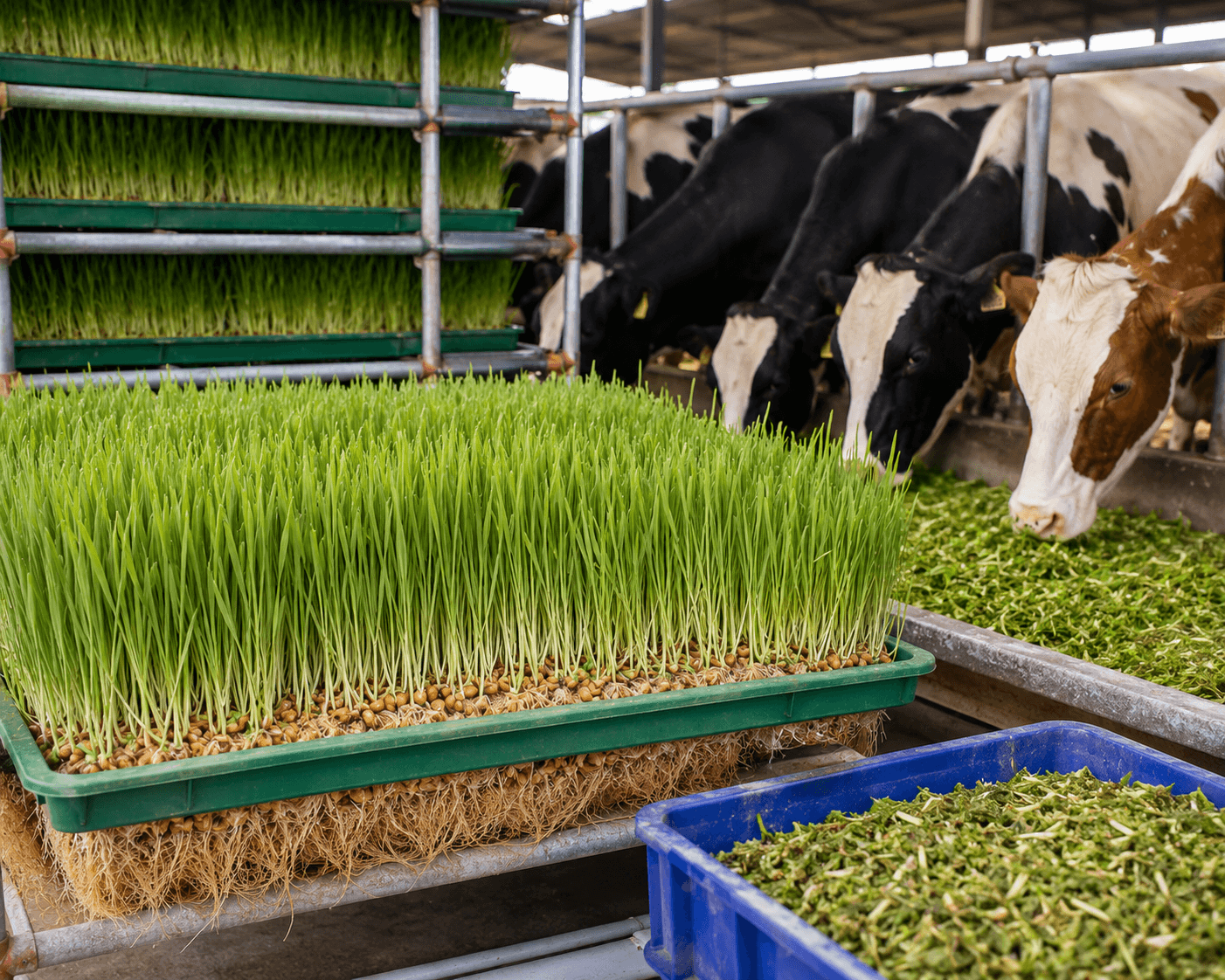
Hydroponic Green Fodder for Indian Dairy
Hydroponic green fodder for Indian dairy — grow fresh fodder from barley seeds in 7 days, setup cost, feeding rates, problems, and ROI for small farms.
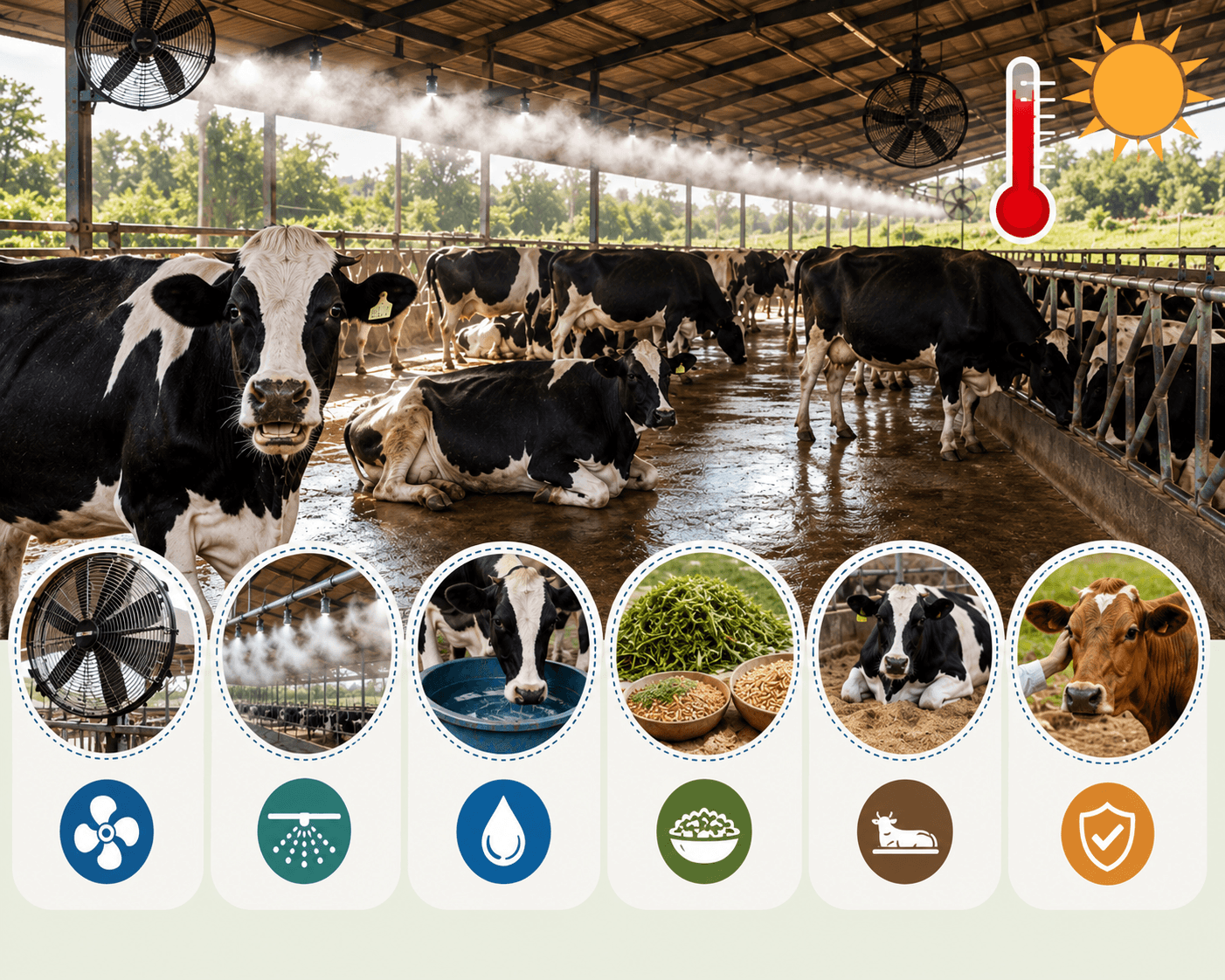
Heat Stress in Dairy Cattle: How to Manage Summer in India
Managing summer heat stress in Indian dairy cattle and buffalo — signs to watch, cooling methods (shade, fans, sprinklers), and keeping milk yield steady.
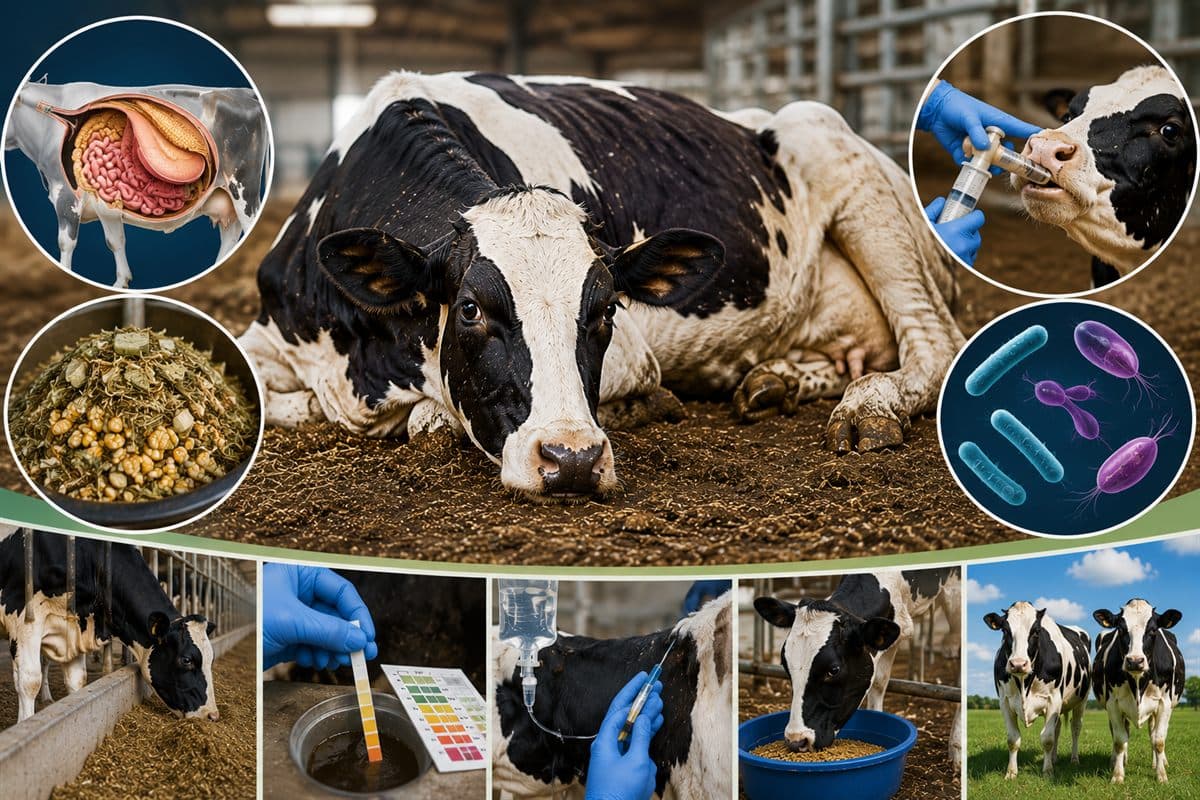
Acidosis in Dairy Cattle: Causes, Prevention & Treatment
Rumen acidosis in dairy cattle — why maize-heavy rations trigger it, milk fat depression as the early warning, sodium bicarbonate buffer, and treatment.
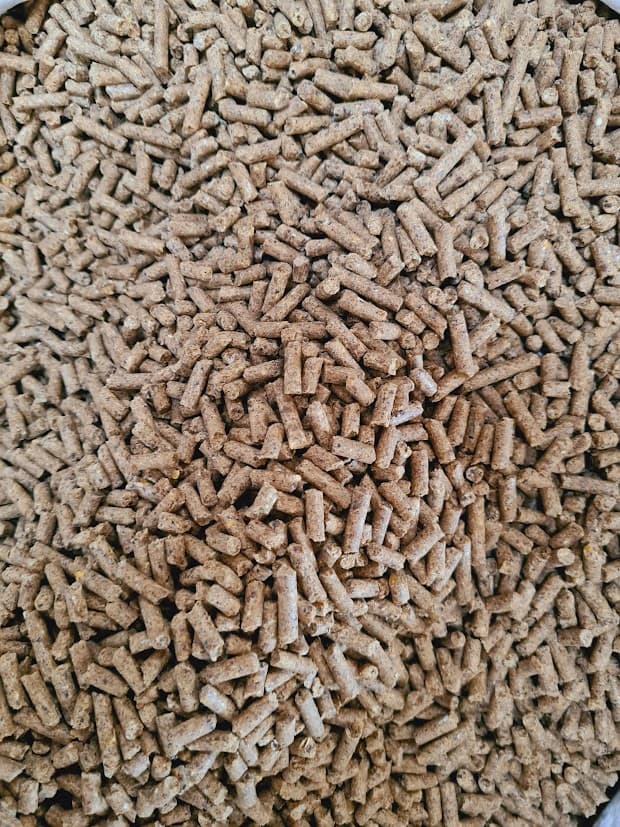
Compound Cattle Feed in India — BIS Type 1 vs Type 2
Compound cattle feed in India — BIS IS:2052 Type 1 vs Type 2 specs, why feed is sold as pellets, the 20% protein labelling rule, and how to choose.
Pregnant
Monsoon Dairy Management: Protect Cattle, Feed & Milk Yield
Monsoon dairy management for Indian farmers — feed mould and aflatoxin control, mastitis prevention, hoof care, and a pre-monsoon checklist.
How Cattle Feed is Sold in India — The 5 Distribution Channels Explained
How cattle feed actually moves from factory to farmer in India — dealers, BMCs, distributor warehouses, schemes, and in-bag farmer gifts explained.
Cattle Insurance in India — Schemes, Premiums & Claim Process (2026)
Complete guide to cattle insurance in India — government schemes, premiums (2.5-4.5%), subsidies up to 90%, claim process, and how to apply.
Mineral Mixture for Cattle Feed
Mineral mixture for Indian dairy — NDDB-prescribed formulation, role of each mineral, daily dose for milch animals and calves, and quality checks.
Sheep and Goat Feed: Complete Guide for Indian Smallholders
Sheep and goat feed in India — daily concentrate rate by body weight, why feed is urea-free, sheep vs goat differences, and breed-specific notes.
Heat Stress in Dairy Cattle: How to Manage Summer in India
Managing summer heat stress in Indian dairy cattle and buffalo — signs to watch, cooling methods (shade, fans, sprinklers), and keeping milk yield steady.
Adult
How to Export Cattle Feed from India — Documents, Buyers, Packaging & Container Loading
Export cattle feed from India — documents, buyer sourcing, payment terms, packaging, container loading, and common mistakes to avoid.
How Cattle Feed is Sold in India — The 5 Distribution Channels Explained
How cattle feed actually moves from factory to farmer in India — dealers, BMCs, distributor warehouses, schemes, and in-bag farmer gifts explained.
Cattle Insurance in India — Schemes, Premiums & Claim Process (2026)
Complete guide to cattle insurance in India — government schemes, premiums (2.5-4.5%), subsidies up to 90%, claim process, and how to apply.
Mineral Mixture for Cattle Feed
Mineral mixture for Indian dairy — NDDB-prescribed formulation, role of each mineral, daily dose for milch animals and calves, and quality checks.
Sheep and Goat Feed: Complete Guide for Indian Smallholders
Sheep and goat feed in India — daily concentrate rate by body weight, why feed is urea-free, sheep vs goat differences, and breed-specific notes.