Cattle Insurance in India — Schemes, Premiums & Claim Process (2026)
By Parv Badjatiya · Published Wed May 20 2026 00:00:00 GMT+0000 (Coordinated Universal Time) · Updated Wed May 20 2026 00:00:00 GMT+0000 (Coordinated Universal Time)
For most Indian dairy farmers, the cow or buffalo is the family's single most expensive working asset. A high-yielding crossbred cow costs ₹50,000–₹90,000. A graded Murrah buffalo costs ₹80,000–₹1,50,000. Lose one to disease, accident, or flooding and you lose months of income plus a major chunk of capital. If you're starting a dairy farm, insurance should be part of the initial capital plan, not an afterthought.
Despite this, only about 20% of Indian cattle are insured. The other 80% of farmers carry the full risk personally — usually because they don't know the schemes exist, or assume the premium is more expensive than it actually is.
This guide explains, in plain language, how cattle insurance works in India in 2026: which schemes are available, how much it really costs after government subsidy, what is and isn't covered, what documents you need, and how to file a claim that actually gets paid.
This is general information, not personalised advice. Before buying a policy, get written quotations from at least two insurers and read the policy document carefully. See our disclaimer.
Why cattle insurance matters — the numbers
India has roughly 300 million bovines (cattle + buffalo combined). The dairy sector contributes about 5% of India's GDP. And yet:
- Disease, accident, and flooding kill an estimated 8–12 million productive animals every year (many of these losses are preventable through better heat-stress management, milk fever prevention, and calf scour prevention)
- For a small farmer with 2–5 animals, the death of one cow is a ₹50,000–₹1,00,000 hit, often equal to several months' family income
- Most farmers face this risk without any safety net
- The insurance penetration rate for cattle in India is about 20%, compared with 90%+ in mature dairy markets
The Government of India has been pushing subsidised cattle insurance through the National Livestock Mission (NLM) precisely to fix this gap.
The major cattle insurance schemes in India
1. Livestock Insurance Scheme under the National Livestock Mission
The flagship cattle insurance programme is run by the Department of Animal Husbandry & Dairying (DAHD) under the National Livestock Mission (NLM). Key features:
| Feature | Detail |
|---|---|
| Animals covered | Indigenous + crossbred dairy cattle, buffalo |
| Maximum animals per farmer | Up to 5 milch animals (or equivalent for sheep/goat/pig) |
| Premium subsidy (general) | 50% of premium |
| Premium subsidy (SC/ST farmers) | Up to 60% |
| Premium subsidy (NE states + hilly areas) | Up to 90% |
| Policy duration options | 1 year or 3 years |
| Sum insured | Up to current market value of the animal (assessed by a veterinarian) |
| Implementing insurers | Empanelled general insurance companies, mostly public sector |
The remaining premium (after subsidy) is paid by the farmer at the time of policy issue. The animal is tagged with a numbered ear tag at the time of insurance.
2. State-specific schemes
Several states run their own animal insurance schemes, often layered on top of the central NLM scheme to push the effective farmer premium even lower:
- Maharashtra — Mukhyamantri Pashudhan Vikas Yojana
- Karnataka — Pashu Bhagya scheme (livestock insurance component)
- Gujarat — Mukhyamantri Gaumata Poshan Yojana (insurance variant)
- Tamil Nadu — Animal Husbandry Welfare Scheme
- Uttar Pradesh — Pashudhan Bima Yojana
Check with your District Animal Husbandry Office for current state-level subsidies in your area — they change year to year.
3. Integrated cover via Kisan Credit Card (KCC)
If you bought your cattle using a KCC loan, the loan agreement usually includes a mandatory insurance component. The premium is added to your loan EMI. This is convenient but not always the cheapest — you can usually opt out of the bank's bundled insurance and buy a standalone policy at a better rate if you compare.
4. Milk co-operative-facilitated insurance
Major milk unions (Amul / GCMMF, Mother Dairy, Nandini, Aavin, Saras, etc.) facilitate cattle insurance for their member farmers in tie-up with insurance companies. Member farmers often get:
- Group discount on premium (5–15% lower than retail)
- Easier paperwork (the co-op handles most of it)
- Premium deducted directly from milk payments
- Co-op vet handles the certificate and tagging
If you supply milk to a co-operative, ask them about their insurance tie-up before approaching an insurer directly. The co-op rate is almost always the best deal available to a small farmer.
What it actually costs — premium math with worked examples
The base premium is 2.5% to 4.5% of the cattle's market value per year. Crossbreds and high-yielders are at the higher end; indigenous breeds at the lower end. Three-year policies are about 10–15% cheaper on a per-year basis.
Example 1 — Crossbred Holstein-Friesian cow
| Item | Value |
|---|---|
| Market value of cow | ₹70,000 |
| Annual premium (4% rate) | ₹2,800 |
| Less: NLM subsidy (50% for general category) | -₹1,400 |
| Farmer's annual premium | ₹1,400 |
| Per-month cost | ~₹117 |
For ₹117 per month — less than the price of one litre of milk per day — the farmer protects a ₹70,000 asset against death from disease, accident, fire, flood, lightning, and most other causes.
Example 2 — Murrah buffalo (high-yielding)
| Item | Value |
|---|---|
| Market value of buffalo | ₹1,20,000 |
| Annual premium (4% rate) | ₹4,800 |
| Less: NLM subsidy (50% for general category) | -₹2,400 |
| Farmer's annual premium | ₹2,400 |
| Per-month cost | ~₹200 |
Example 3 — Sahiwal cow, North-East state farmer
| Item | Value |
|---|---|
| Market value of cow | ₹40,000 |
| Annual premium (3% rate) | ₹1,200 |
| Less: NLM subsidy (90% for NE states) | -₹1,080 |
| Farmer's annual premium | ₹120 |
| Per-month cost | ~₹10 |
Yes — for farmers in the North-East, eligible cattle can be insured for less than ₹150 per year. Yet most still aren't, simply because the scheme isn't well advertised at village level.
What's covered
A standard cattle insurance policy covers death of the insured animal due to:
- Disease — most contagious and non-contagious diseases (after a 15-day waiting period from policy start)
- Accident — road accident, fall, injury
- Fire and lightning
- Flood, cyclone, hurricane, earthquake
- Riot, strike, or malicious damage
- Inland transit — death during transport
- Surgical operations — death during or as a direct result of necessary surgery
Most policies also cover Permanent Total Disability (PTD) that makes the animal unfit for breeding, milk production, or work — at a percentage of the sum insured (typically 75%).
Optional add-ons
For a small extra premium you can add:
- Theft cover — many basic policies exclude theft; a paid add-on includes it
- Permanent Partial Disability
- Inland transit (extended) — for movement to fairs, exhibitions, breeding centres
- Calf cover — for the calf of an insured animal up to a certain age
What's NOT covered — read this carefully
The most common reasons cattle insurance claims get rejected:
- Pre-existing disease (dry cow management at calving and consistent mineral mixture supplementation reduce the risk of post-policy disease) — disease the animal had at the time of policy purchase. The veterinary health certificate at the time of insurance is crucial protection here; it documents that the animal was healthy at policy start.
- Diseases contracted within the 15-day waiting period — anything diagnosed in the first 15 days from policy start is excluded.
- Intentional slaughter — the policy is for accidental/natural death, not voluntary culling.
- Death due to neglect or malnutrition — failure to provide basic care, water, feed, or shelter.
- No ear tag on the dead animal — the single most common rejection reason. Without the tag, the insurer cannot confirm it was the insured animal.
- Animal beyond the age limit — typically 8 years for cows (some up to 10), 12 years for buffalo. Animals outside this band cannot usually be insured (or get reduced cover).
- Late notification — most policies require notification within 24–48 hours of death. Delays beyond this give the insurer grounds to reject.
- War, riot in special declared areas, nuclear, or pandemic-related mass culling.
Documents you'll need to buy a policy
Keep these ready before approaching an insurer or co-operative:
- Veterinary health certificate — issued by a registered veterinarian, certifying the animal is healthy and free of disease at the time of insurance
- Market valuation certificate — assessed by the same veterinarian; this becomes your sum insured
- Photographs of the animal — at least 3 (front, side, identifying marks like horns, spots, scars)
- KYC for the farmer — Aadhaar, PAN (if available), bank passbook front page
- Land/ownership proof of cattle shed — for address verification
- Cattle purchase receipt or ownership declaration — if available; for older animals an affidavit usually suffices
- Bank account details — for claim payment by direct credit
- For SC/ST farmers — caste certificate to claim enhanced subsidy
- For KCC-bundled insurance — KCC loan document
How to apply, step by step
- Pick the channel. Best to worst on cost: (a) milk co-op tie-up → (b) NLM scheme via Block Animal Husbandry Office → (c) direct retail purchase from an insurance company.
- Get the vet certificate and valuation. Take the vet to inspect the animal at your premises. The certificate must list age, breed, identifying marks, milk yield (for dairy animals), and current market value.
- Choose the policy duration. 1-year is flexible; 3-year is cheaper per year but locks in the sum insured (problematic if you later upgrade the animal).
- Submit the application and documents along with the farmer's share of the premium. The insurer/co-op handles the subsidy claim with the government.
- The insurer fits the ear tag. The tag number is the unique animal ID and is printed on the policy. Verify it matches before the insurer leaves.
- Receive the policy document. Check: animal description, sum insured, premium paid, policy start and end dates, ear tag number, your name and address.
Keep the policy document and a copy of the vet certificate and photographs in a safe place. You will need them for any claim.
How to file a claim that actually gets paid
This is where most farmers lose out. The process must be followed exactly:
- Notify within 24 hours — by phone, then in writing (WhatsApp/SMS/letter). The notification time is recorded and is the start of your claim clock. Late notification is the easiest rejection reason for an insurer.
- Do not move or bury the animal until the surveyor inspection — at least, take complete photographic evidence first if you must move it.
- Get a post-mortem (PM) report from a registered veterinarian within 24 hours of death. The PM report is the single most important claim document.
- Photograph everything — the dead animal, the ear tag (close-up, clearly readable), identifying marks, the location, and the carcass after burial. Take 10+ photos.
- Recover the ear tag and keep it with you. The insurer will ask for it physically.
- Submit the claim form with the PM report, photographs, ear tag, policy document, your KYC, and bank details for direct credit.
- Cooperate with the surveyor — the insurer sends a surveyor to inspect within 5–10 days. Be honest; surveyors often catch inconsistencies that lead to rejection.
- Follow up in writing. Most policies promise settlement in 30 days but in practice 30–60 days is normal. If you cross 60 days without an explanation, escalate to the company's grievance officer, then to the IRDAI Ombudsman if necessary.
Tips to maximise claim approval rate
- Always recover and submit the ear tag. No tag = almost certain rejection. If the tag falls off during life, request a replacement immediately and document the request.
- Use a registered veterinarian for the PM report. A non-vet certificate (e.g. from a paravet or local doctor) is grounds for rejection in some policies.
- Photograph the tag with the animal alive at policy start, not just at claim time. Establishes the link.
- Keep all your vet visits and treatment records during the policy period. If a disease later kills the animal, the records prove it wasn't pre-existing.
- Don't hide anything. Surveyors are experienced. An obvious slaughter passed off as natural death will be rejected, plus you risk the insurer cancelling your other policies.
Major insurance companies offering cattle cover
Public sector (typically used for NLM-scheme business):
- National Insurance Company Limited
- The Oriental Insurance Company Limited
- United India Insurance Company Limited
- The New India Assurance Company Limited
Private sector:
- IFFCO-Tokio General Insurance — one of the larger players in cattle by volume
- ICICI Lombard General Insurance
- Bajaj Allianz General Insurance
- Reliance General Insurance
- HDFC ERGO General Insurance
- SBI General Insurance
Co-operative and specialised:
- Cattle Insurance through milk co-operatives (Amul/GCMMF, Mother Dairy, Nandini, Aavin, Saras)
- NABARD-supported regional rural bank tie-ups
Pricing across insurers is fairly similar (because the IRDAI regulates rates) — the difference is mostly in claim settlement experience. Ask other dairy farmers in your area which insurer has actually paid claims promptly. This is the most useful single piece of information.
Common mistakes farmers make
- Under-insuring the animal to save on premium. If the cow is worth ₹70,000 but you insure for ₹40,000, your claim is capped at ₹40,000 — even if the actual loss is higher.
- Letting the policy lapse by missing the renewal date. There is no grace period. Even one day late and a fresh 15-day waiting period applies.
- Not reading the exclusions — especially around age, breed, and pre-existing conditions.
- Forgetting the ear tag when reporting a claim. Practice retrieving it.
- Buying expensive add-ons that don't fit your risk — theft is rare in rural settings; flood and disease are common. Match cover to your real risk.
- Choosing the cheapest insurer over the best claim-paying insurer. Talk to neighbours who've had claims settled.
Is cattle insurance worth it? A blunt assessment
For a small or marginal farmer with 1–5 productive cattle:
- Yes — almost always worth it. The subsidised premium of ₹120–₹2,400/year per animal is a fraction of the loss you'd absorb if the animal died.
- The math: even if claim payout is 70% of sum insured after deductions and disputes, on a 5% annual mortality risk for a ₹70,000 cow, the expected payout is ₹2,450/year, well above the typical ₹1,400 net premium.
For a larger commercial dairy (20+ animals):
- Yes, but compare with self-insurance. With a larger herd, you can absorb individual losses from a contingency fund. Insurance is still useful for catastrophic risk (flood, mass disease) and individually-expensive animals (elite breeders, bulls).
- Negotiate group-rate premiums; they're typically 15–25% lower than retail.
For a single high-value animal (bull, elite breeder, show animal worth ₹2 lakh+):
- Definitely yes. The premium is a rounding error compared to the value at risk.
Where to learn more
- National Livestock Mission scheme details — Department of Animal Husbandry & Dairying, Government of India
- IRDAI (Insurance Regulatory and Development Authority of India) — for policy holder rights and grievance redressal
- Your District Animal Husbandry Office — current subsidies and approved insurer list
- Your milk co-operative society — facilitated insurance with group rates
- Daily price tracking for the raw materials that drive your operating cost — see today's prices
- For compound feed quality standards (a separate insurance and certification topic) — see our compound cattle feed guide
For other business-side reading on running an Indian dairy, see how cattle feed is sold in India, our complete export guide for cattle feed manufacturers, and our daily wholesale price tracker for operating-cost planning. The nutritional protocols that reduce insurance-claim risk are covered across our feeding lactating cow ration guide, feeding lactating buffalo guide, and Total Mixed Ration (TMR) guide — well-fed animals get sick less, claim less, and pay back the insurance premium many times over through productivity.
Disclaimer. This article is general information for educational purposes only. It is not insurance advice. Premiums, subsidies, scheme rules, and exclusions change frequently and vary by insurer, state, and policy variant. Before buying any cattle insurance policy, get written quotations from at least two insurers, read the full policy wording, and consult your local District Animal Husbandry Office for the latest subsidy structure. cattlefeed.info is not affiliated with any insurance company.
Frequently asked questions
How much does cattle insurance cost in India?+
Which government schemes cover cattle insurance in India?+
What is covered under cattle insurance?+
What is NOT covered under cattle insurance?+
How do I file a claim if my insured cattle dies?+
Which insurance companies offer cattle insurance in India?+
Do I need an ear tag for cattle insurance?+
Related articles
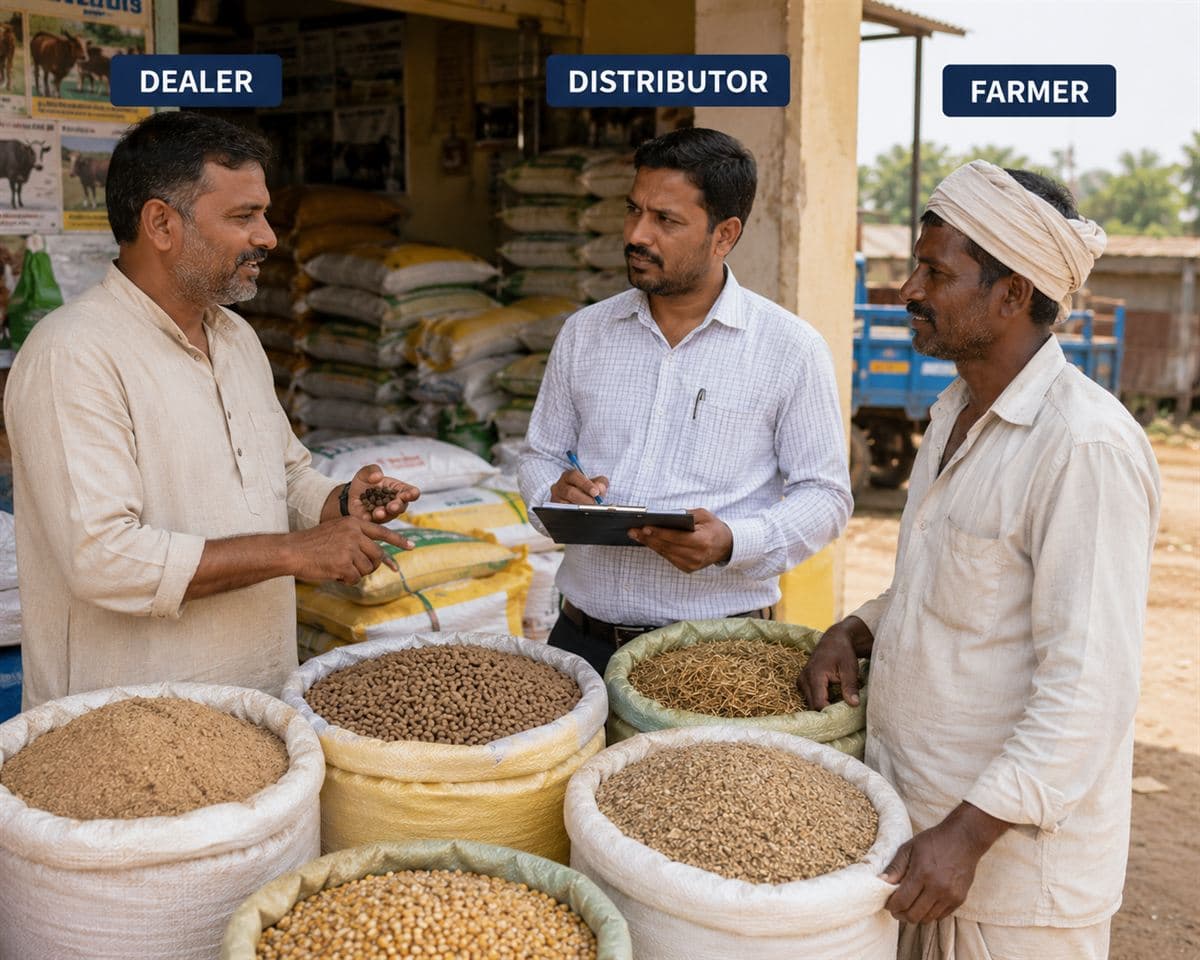
How Cattle Feed is Sold in India — The 5 Distribution Channels Explained
How cattle feed actually moves from factory to farmer in India — dealers, BMCs, distributor warehouses, schemes, and in-bag farmer gifts explained.
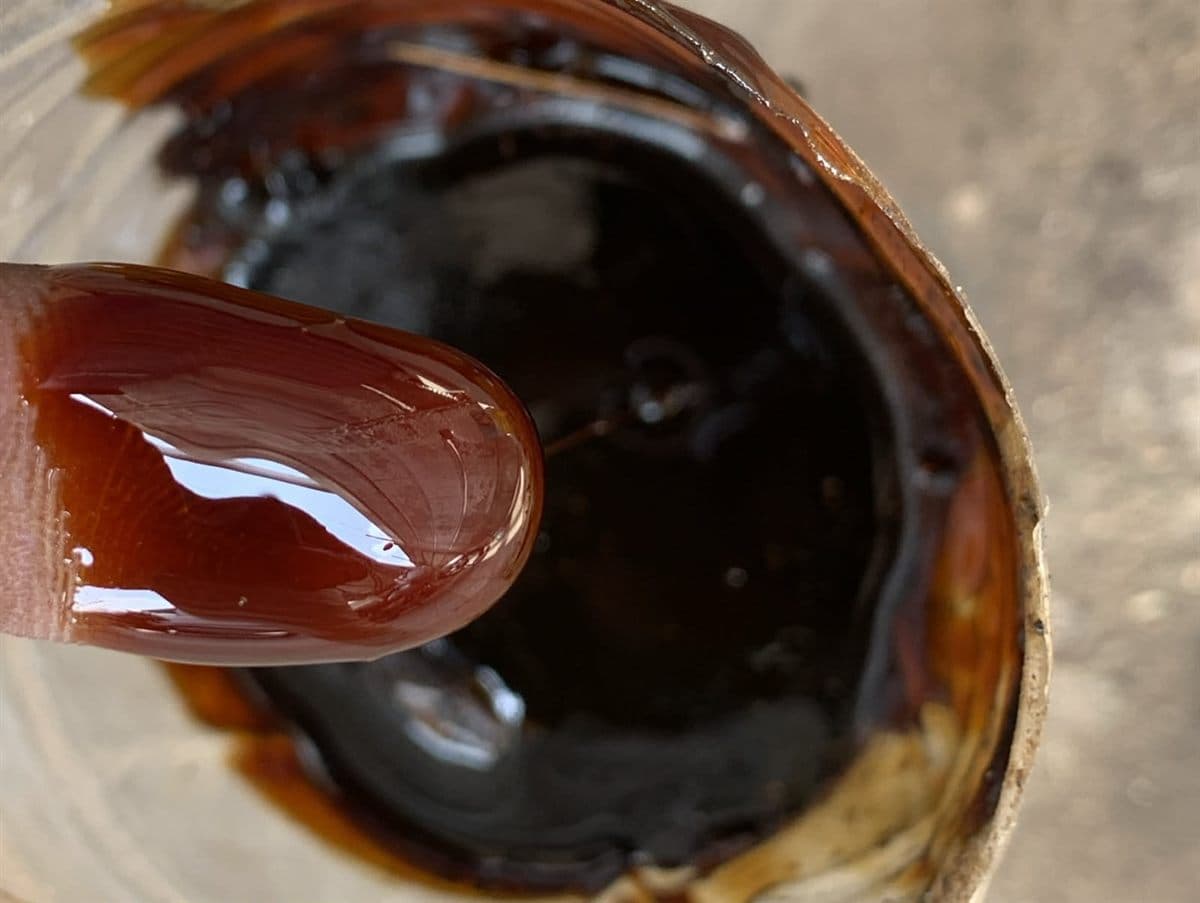
Liquid Molasses in Cattle Feed — Specs, Inclusion Rate, Tenders & Sourcing in India
Liquid molasses in Indian cattle feed pellets — Grade A specs, Brix and moisture, inclusion rate, tender sourcing, and the 2026 UP shortage.
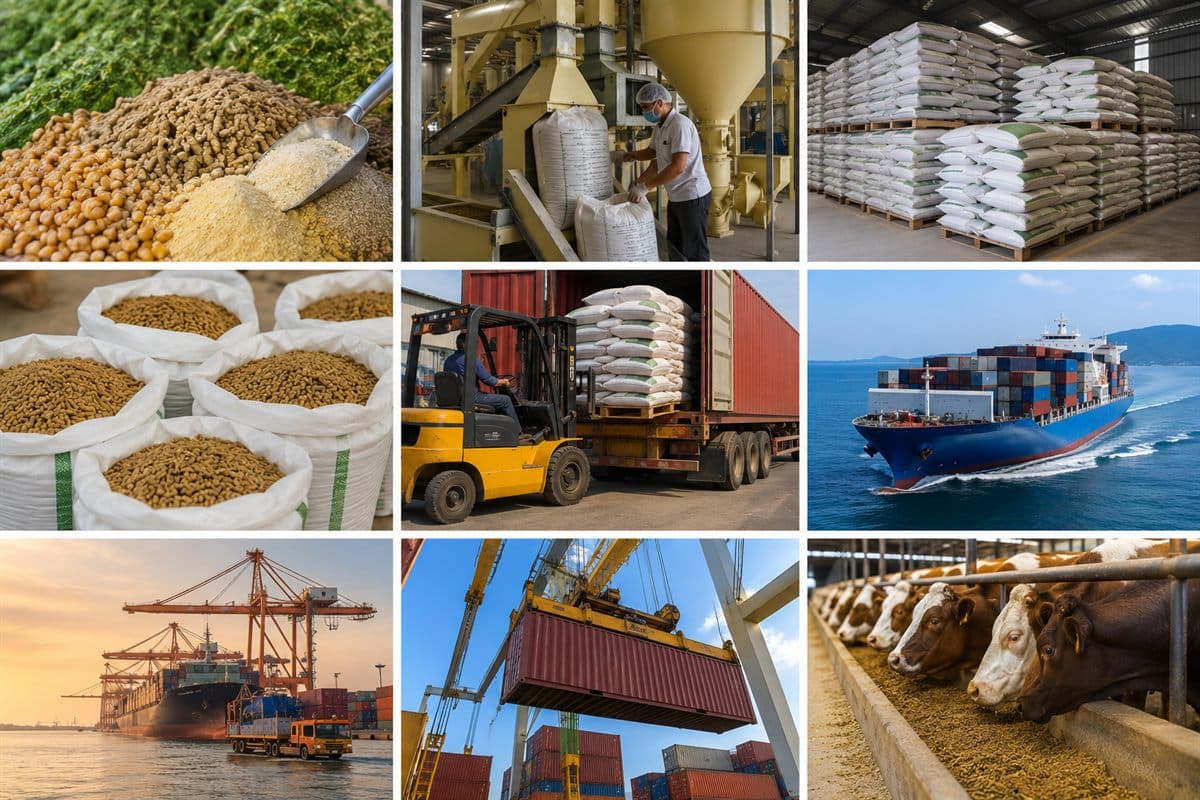
How to Export Cattle Feed from India — Documents, Buyers, Packaging & Container Loading
Export cattle feed from India — documents, buyer sourcing, payment terms, packaging, container loading, and common mistakes to avoid.