Oilseed Cake vs DOC (De-Oiled Cake / Meal) — Cottonseed, Groundnut & Mustard
By Parv Badjatiya · Published Fri May 29 2026 00:00:00 GMT+0000 (Coordinated Universal Time) · Updated Fri May 29 2026 00:00:00 GMT+0000 (Coordinated Universal Time)
If you have ever stood at a feed dealer's counter and been offered "cottonseed cake" by one trader and "cottonseed DOC" or "cottonseed meal" by another — and wondered whether they're the same thing, or which one you actually need — this article is for you.
The short version: cake and DOC are made from the same oilseed, but processed differently, and the difference matters for what your animals get. Let's clear up the confusion completely, across the three oilseed families that dominate Indian cattle feed: cottonseed, groundnut, and mustard.
First, the terminology mess
There are three words floating around that cause endless confusion: cake, DOC, and meal. Here is exactly what each means.
- Cake is the residue left after oil is squeezed out of an oilseed using a mechanical expeller or screw press. Pressing is never 100% efficient, so cake still holds 6 to 14% oil (fat).
- DOC stands for De-Oiled Cake. After the initial pressing, the cake is treated with a food-grade solvent (hexane) that strips out almost all the remaining oil, leaving under 2% fat. The solvent is then evaporated off and recovered.
- Meal is simply the international word for DOC. In India, DOC and meal are the same thing. Some traders say "cottonseed meal," others say "cottonseed DOC" — they're handing you the identical product. The same applies to groundnut DOC/meal and mustard DOC, which is also called rapeseed meal.
So when you see soybean meal — the most famous "meal" in the feed world — that is also a de-oiled, solvent-extracted product. Soybean is almost always sold as meal/DOC because soybean oil is valuable and worth extracting fully. The cake/DOC distinction is most relevant for cottonseed, groundnut, and mustard, where both forms are commonly traded.
The fundamental difference: what removing the oil does
When you take an oilseed cake and extract the oil to make DOC, three things change:
- Protein concentration goes UP. The protein didn't increase — but with the oil (which was diluting it) removed, the protein now makes up a bigger percentage of what's left.
- Fat (energy) goes DOWN. From 6–14% in cake to under 2% in DOC. That's a large loss of energy density.
- Shelf life goes UP. Oil goes rancid over time. With almost no oil, DOC stores longer and travels better without quality loss.
In one sentence: cake = protein + energy in one ingredient; DOC = concentrated protein with the energy stripped out.
The three oilseed families, side by side
Here is how cake and DOC compare across the three families, using typical Indian trade specifications.
Cottonseed
| Cotton Seed Cake (expeller) | Cottonseed DOC / Meal (solvent-extracted) | |
|---|---|---|
| Crude protein | 18–22% | ~37% |
| Crude fat | 8–14% | under 2% |
| Crude fibre | 22–26% | ~16% |
| Moisture | up to 10% | up to 10% |
| Sand/silica (max) | 2.5% | 2.5% |
Cotton seed cake (binola khal) is the traditional high-fat ingredient — its 12–14% fat in premium grade makes it a favourite for lactating buffalo. Cottonseed DOC nearly doubles the protein (to ~37%) by removing that oil, making it a leaner, more protein-focused ingredient for compound feed.
Groundnut
| Groundnut Cake (expeller) | Groundnut DOC / Meal (solvent-extracted) | |
|---|---|---|
| Crude protein | 38–45% | 40% (standard) or 45% (premium "ProFat 45") |
| Crude fat | 6–8% | under 2% |
| Crude fibre | 5–8% | ~18% |
| Moisture | up to 10% | up to 10% |
| Sand/silica (max) | 2.5% | 2.5% |
Groundnut is the exception in this family — both the cake and the DOC are high-protein, because groundnut is naturally protein-rich to begin with. Groundnut cake (mungphali khal) carries some retained oil and energy; Groundnut DOC comes in two grades the trade calls ProFat 40 (around 40% protein) and ProFat 45 (around 45% protein, the premium grade). With both forms, the aflatoxin risk is the critical concern — groundnut is the single most aflatoxin-prone oilseed in India. See our aflatoxin in cattle feed guide.
Mustard / Rapeseed
| Mustard Cake (expeller) | Mustard DOC / Rapeseed Meal (solvent-extracted) | |
|---|---|---|
| Crude protein | 28–32% | 37–38% |
| Crude fat | 6–8% | ~0.9% |
| Crude fibre | 8–12% | ~12% |
| Moisture | up to 10% | up to 10% |
| Sand/silica (max) | 2.5% | 2.5% |
Mustard cake (sarson khal) retains the pungent mustard oil that gives it its characteristic smell and some energy value. Mustard DOC (also sold as rapeseed meal) removes that oil and lifts protein to 37–38%. Note: mustard/rapeseed DOC contains glucosinolates, so inclusion rates should be moderated for younger animals.
What buyers actually specify when purchasing DOC/meal
When a feed mill places a purchase order for DOC, it doesn't just say "send rapeseed meal" — it specifies a full quality profile. A real procurement specification for rapeseed (mustard) meal looks like this:
- Moisture: 10%
- Crude protein (CP): 38%
- Ether extract / fat (EE): 0.9%
- Crude fibre (CF): 12%
- Sand silica: 2.5%
- Aflatoxin: under 20 PPB
- Colour: brown
- Consistency: free flowing
- Clumps: none
- Touch: not hot (a hot bag means recent fermentation or moisture problems)
- Black particles: none
- Odour: normal
This is worth understanding even as a farmer: the "not hot" and "free flowing, no clumps" checks are practical field tests you can do yourself. A bag that feels warm inside, or has clumped material, has had a moisture or storage problem and should be rejected.
When to use cake, when to use DOC
This is the decision that actually matters. Here's the practical framework.
This is the decision that actually matters. Here's the practical framework as a side-by-side:
- Feeding lactating buffalo (5–7% dietary fat target)
- Simple farm-mixed ration — one ingredient supplies both protein and energy
- Palatability matters — residual oil makes cake more readily eaten
- Shorter supply chain — local expeller mills are closer than solvent plants
- Compound feed where energy comes from separate sources (maize, DORB, bypass fat)
- Maximum protein density needed without adding bulk
- Long shelf life and shipping to distant markets — low oil = no rancidity
- Best price per unit of protein — the leaner, more efficient choice
The price-per-protein math
This is where DOC often wins, and where many farmers leave money on the table. Compare cost per percentage-point of protein per kg, using today's indicative daily prices:
| Ingredient | Price (₹/kg) | Protein | ₹ per %-protein per kg |
|---|---|---|---|
| Cotton seed cake | ~44.7 | 22% | ₹2.03 |
| Cottonseed DOC | ~39.5 | 37% | ₹1.07 |
| Mustard cake | ~36 | 30% | ₹1.20 |
| Mustard DOC | ~28 | 37% | ₹0.76 |
| Groundnut cake | ~47 | 42% | ₹1.12 |
| Groundnut DOC | ~44 | 42% | ₹1.05 |
For pure protein, DOC is consistently cheaper per unit. Cottonseed DOC delivers protein at almost half the cost of cotton seed cake.
But — this comparison ignores the energy in the oil. Cake's 8–14% fat is worth something: roughly 2.25 times the energy of carbohydrate per gram. If you genuinely need that energy (lactating buffalo, energy-deficient rations), the cake's higher headline price partly buys energy, not just protein. For a true comparison you'd value both the protein and the energy. But for a straight protein top-up, DOC is the better-value buy nearly every time.
Storage and shelf life
| Cake | DOC / Meal | |
|---|---|---|
| Oil content | 6–14% | under 2% |
| Rancidity risk | Higher (oil oxidises) | Low |
| Typical shelf life | 4–8 weeks | 8–12 weeks |
| Bag "hot" risk | Moderate | Low if dried properly |
The practical takeaway: if you buy in bulk and store for weeks, DOC holds its quality better. Cake should be bought in quantities you'll use within a month or so, especially in hot, humid weather.
The bottom line — a simple decision guide
- Buffalo dairy, need fat, simple ration → Cake (especially cotton seed cake for its high fat)
- Compound feed formulation, protein density, separate energy source → DOC / Meal
- Best price per unit protein → DOC / Meal
- Long storage, bulk holding, distant shipping → DOC / Meal
- On-farm direct feeding, palatability, one ingredient for protein + energy → Cake
And the terminology, one final time: DOC = meal. Cottonseed DOC is cottonseed meal. Mustard DOC is rapeseed meal. Whichever word your supplier uses, ask for the Certificate of Analysis — the protein, fat, fibre, sand-silica, and aflatoxin numbers are what actually matter, not the name on the invoice.
For live pricing on all of these, see the daily raw material prices. For the individual ingredient deep-dives, see our guides on cotton seed cake, groundnut cake, and mustard cake.
Frequently asked questions
What is the difference between oilseed cake and DOC?+
Is DOC the same as meal?+
Which has more protein - cake or DOC?+
When should I use cake instead of DOC?+
Why does DOC cost less per kg of protein than cake?+
Related articles
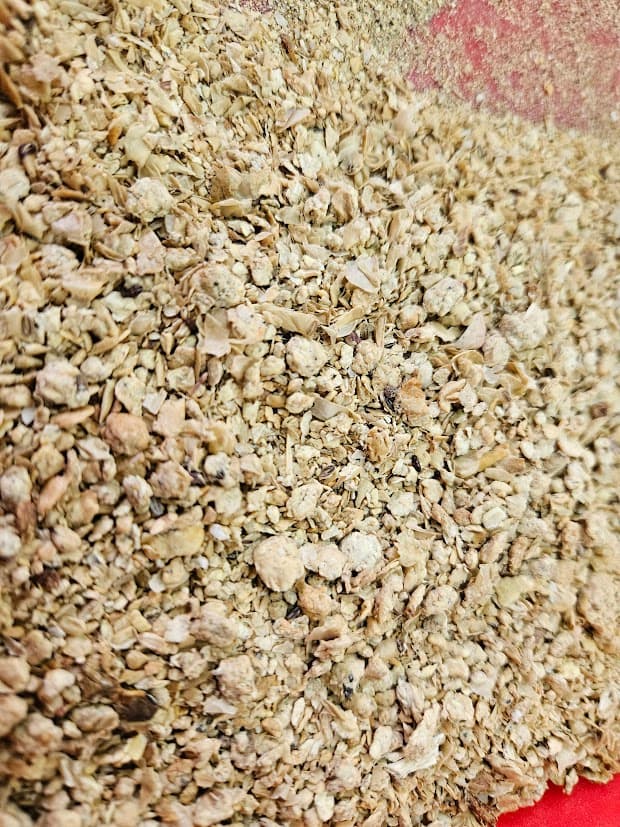
Soybean Meal in Cattle Feed
Complete guide to soybean meal in Indian cattle feed — three grades (45/48/50% protein), BIS standards, inclusion rates for cow, buffalo, sheep, and goat.
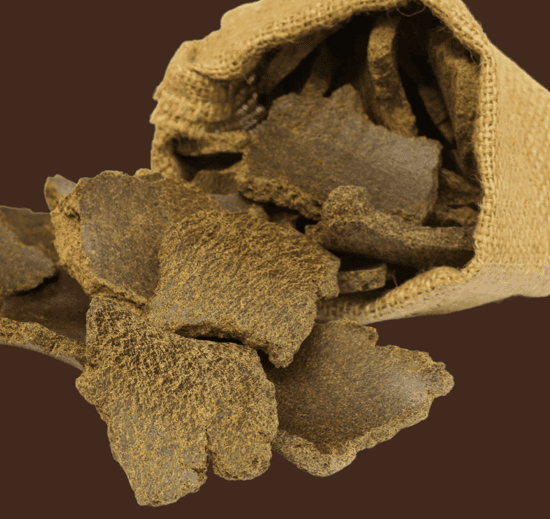
Mustard Cake (Sarson Khal) in Cattle Feed
Mustard cake (sarson khal) in Indian cattle feed — 28-32% protein, expeller vs solvent-extracted, glucosinolate limits, and Rajasthan sourcing.
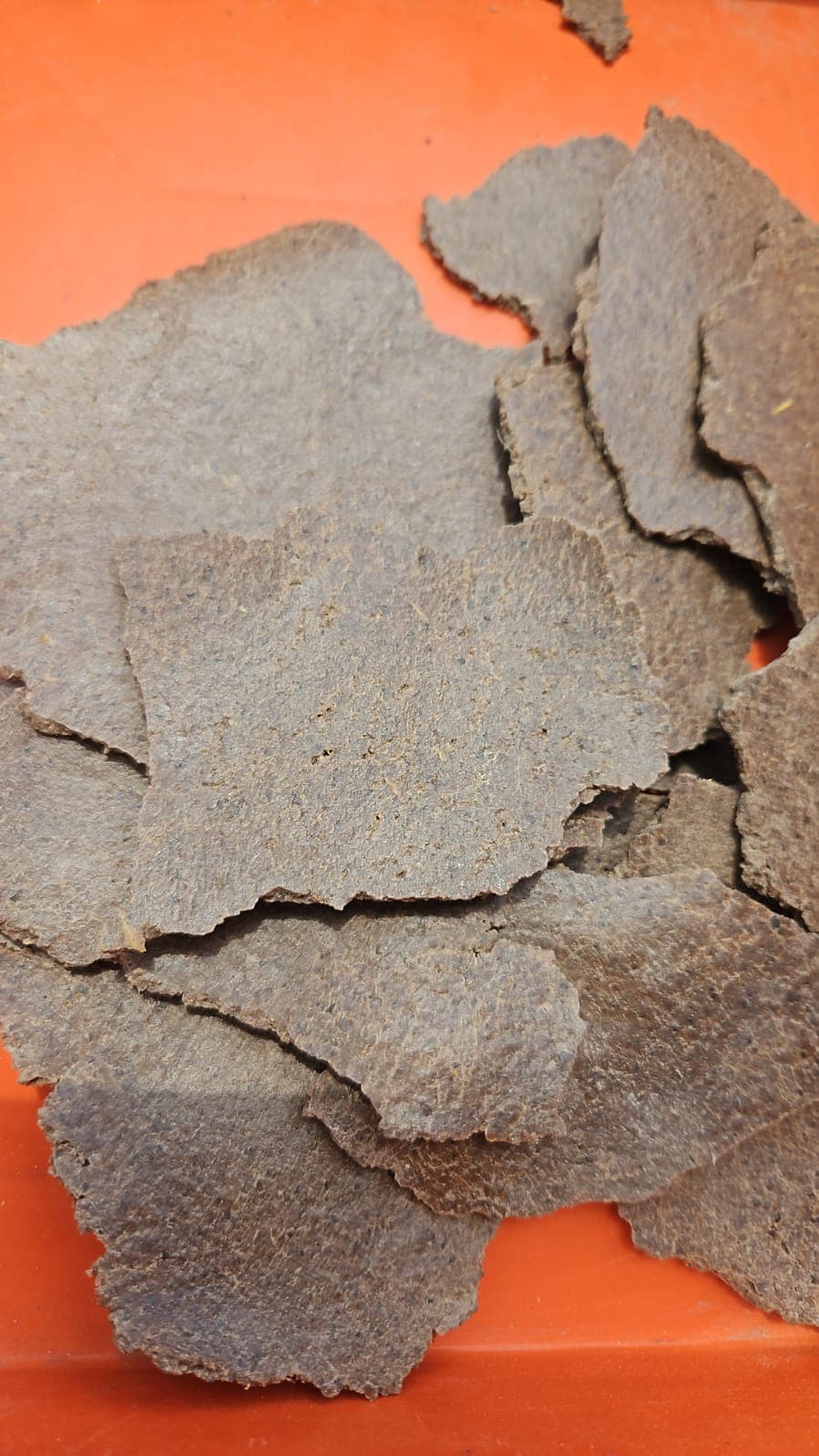
Groundnut Cake (Mungphali Khal) in Cattle Feed
Groundnut cake (mungphali khal) in Indian cattle feed — 38-45% protein, coin-shape sizing, aflatoxin risk, BIS limits, and Saurashtra sourcing.