Cattle Nutrition Guides
Practical cattle nutrition guides for cow, buffalo, sheep, goat, and camel — by life stage, production goal, season, and common health conditions.
Feeding a dairy cow or buffalo well is the single largest factor in the profitability of an Indian dairy — feed cost is 60–70% of the total cost of milk production, and every rupee saved through better feeding compounds across the entire lactation. But 'better feeding' is not just about buying premium compound feed. It is about matching the ration to the animal's life stage (dry, transition, fresh, peak, mid, late lactation), production goal (calf-rearing, breeding heifer, high-yielding cow, dry period conditioning), season (summer heat stress, monsoon mycotoxin risk, winter dry-fodder scarcity), and health status (mastitis-prone, ketosis-prone, milk-fever history).
The guides in this section cover all of these dimensions in practical, India-specific terms. You will find life-stage guides (dry cow, calf starter, lactating cow, lactating buffalo), disease-specific nutrition (milk fever, ketosis, acidosis, mastitis, calf diarrhoea, heat stress), production-system guides (silage making, hydroponic green fodder, TMR), and species-specific guides (sheep and goat, camel).
If you are new to dairy nutrition, start with the lactating cow feeding guide — it explains how to match compound feed grade to milk yield, how to run a 21-day transition when changing feeds, and how to build a balanced daily ration from Indian ingredients. If you are managing a specific problem — a fresh cow going down after calving, a monsoon mastitis outbreak, calves scouring — jump directly to the relevant disease guide.
Guides in this section
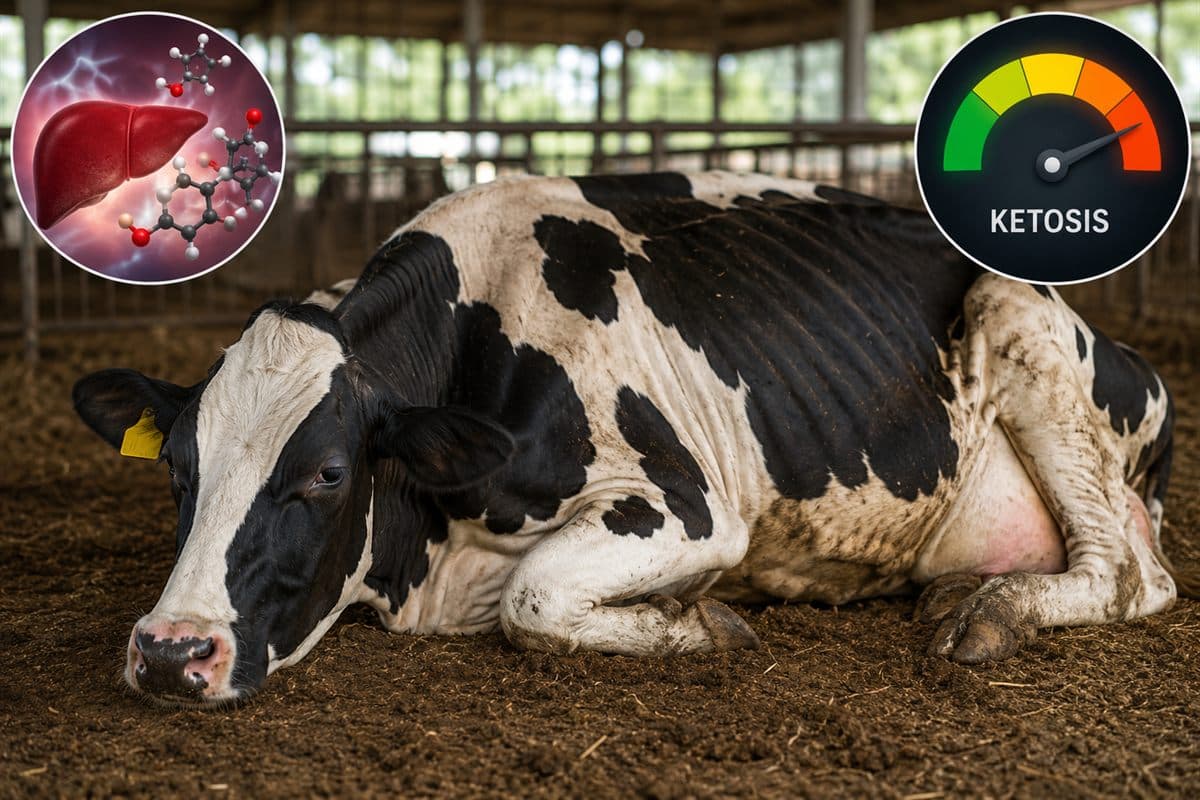
Ketosis in Dairy Cattle: Causes, Detection & Prevention
Ketosis in Indian dairy cattle — clinical vs subclinical, BHB thresholds (1.2 / 3.0 mmol/L), BCS and transition-cow prevention, and treatment options.
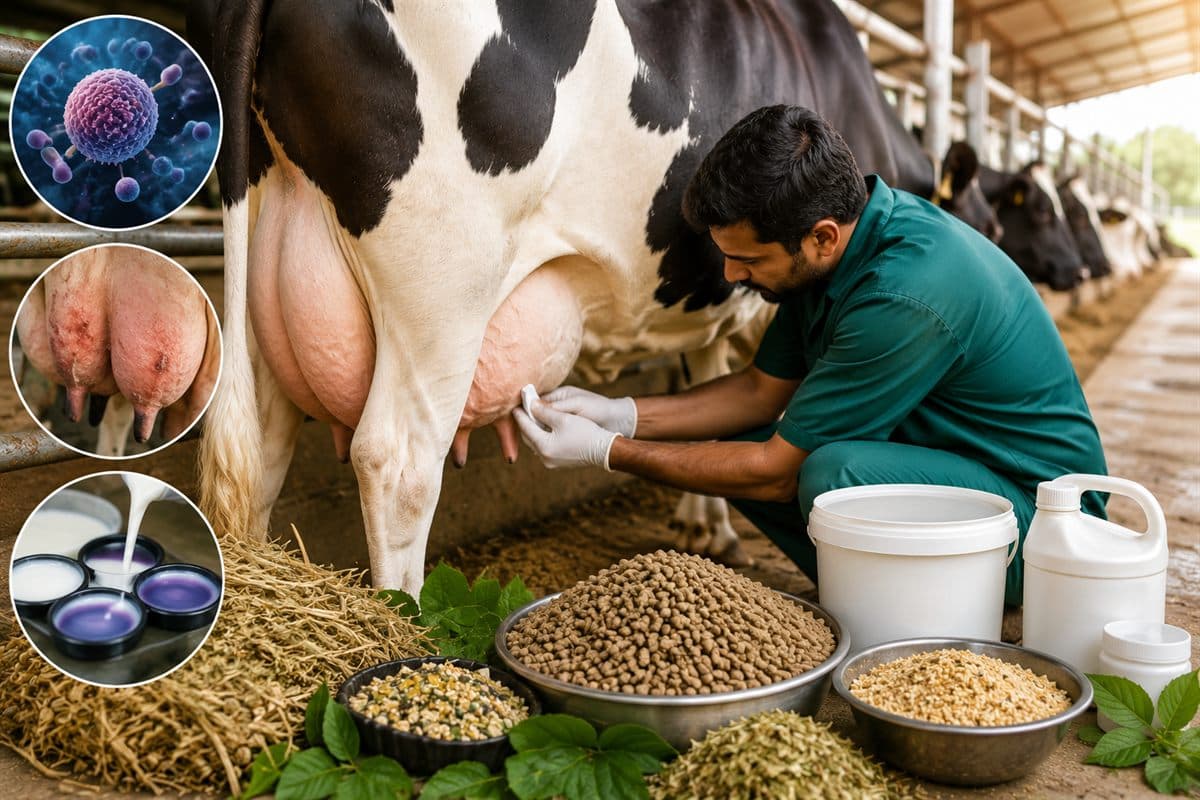
Mastitis in Dairy Cattle: Prevention, Detection & Treatment
Mastitis in Indian dairy cattle — clinical vs subclinical, SCC thresholds, NMC 5-point prevention, dry cow therapy, treatment, and the economic cost.
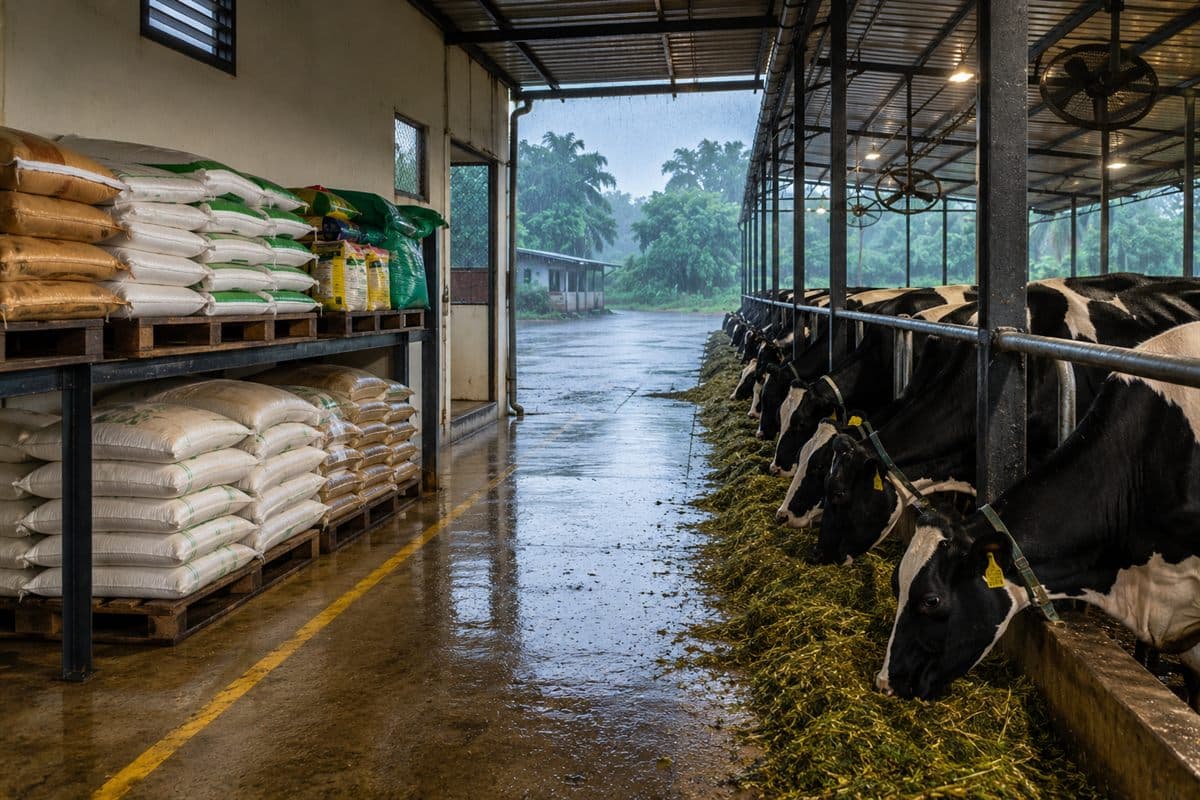
Monsoon Dairy Management: Protect Cattle, Feed & Milk Yield
Monsoon dairy management for Indian farmers — feed mould and aflatoxin control, mastitis prevention, hoof care, and a pre-monsoon checklist.
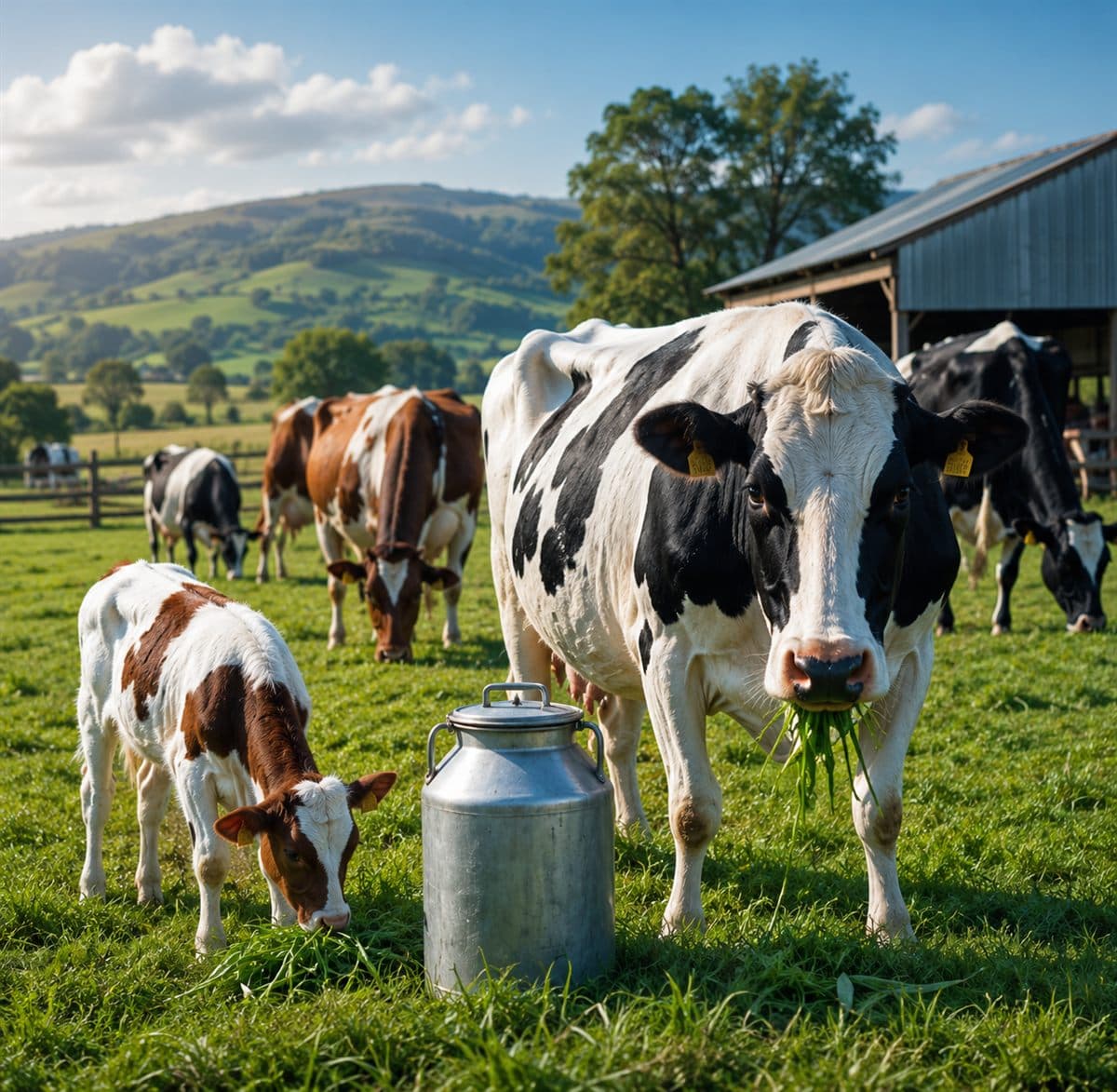
Dairy Farming in Kenya — A Complete Feeding & Management Guide
Small-scale dairy farming in Kenya — best breeds, daily ration with Napier grass and dairy meal, costs in KES, and milk yield benchmarks.
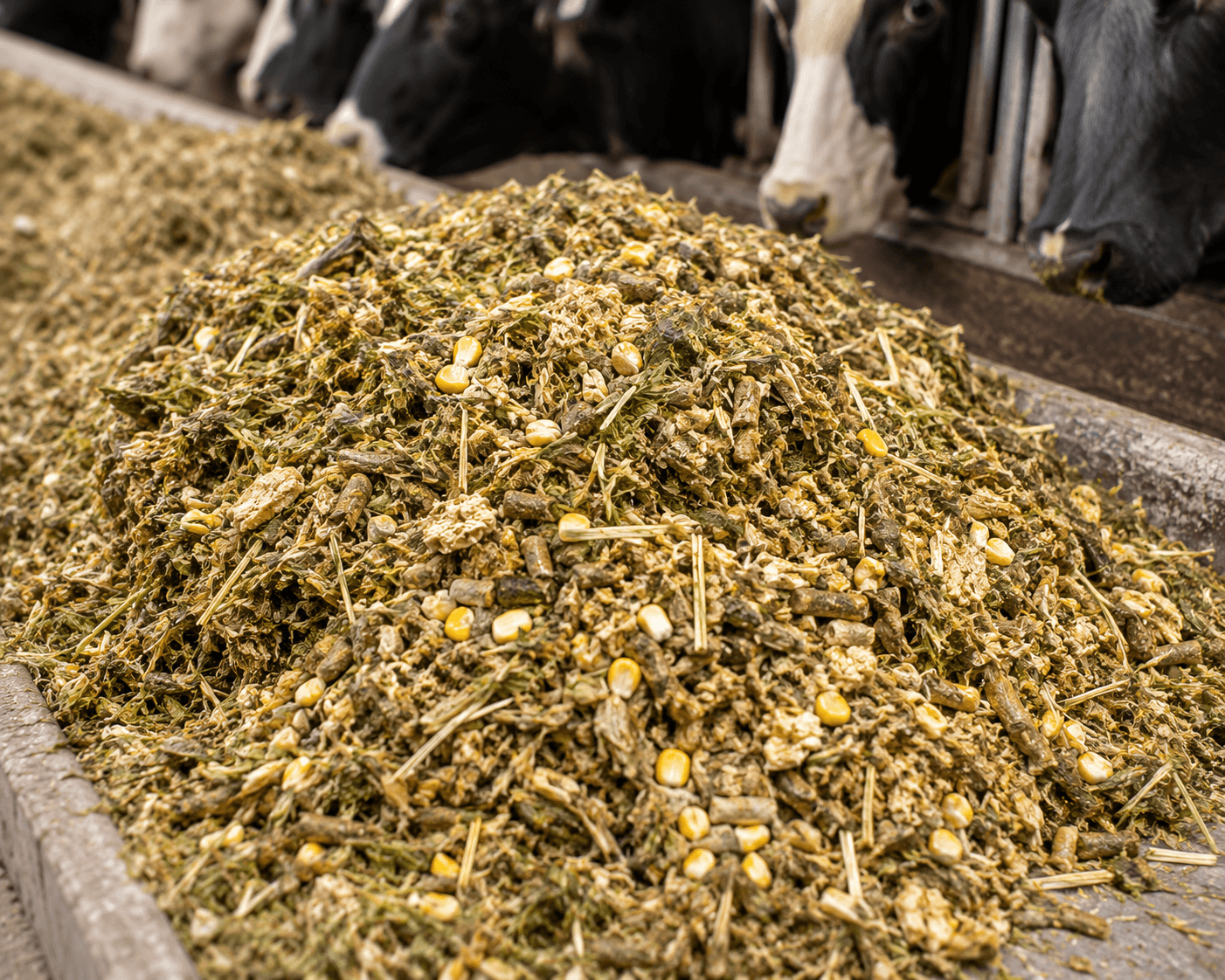
Total Mixed Ration (TMR) for Dairy Cattle
Total Mixed Ration (TMR) for Indian dairy — what TMR is, how to formulate one, sample lactating buffalo TMR in kg, particle size, and common mistakes.
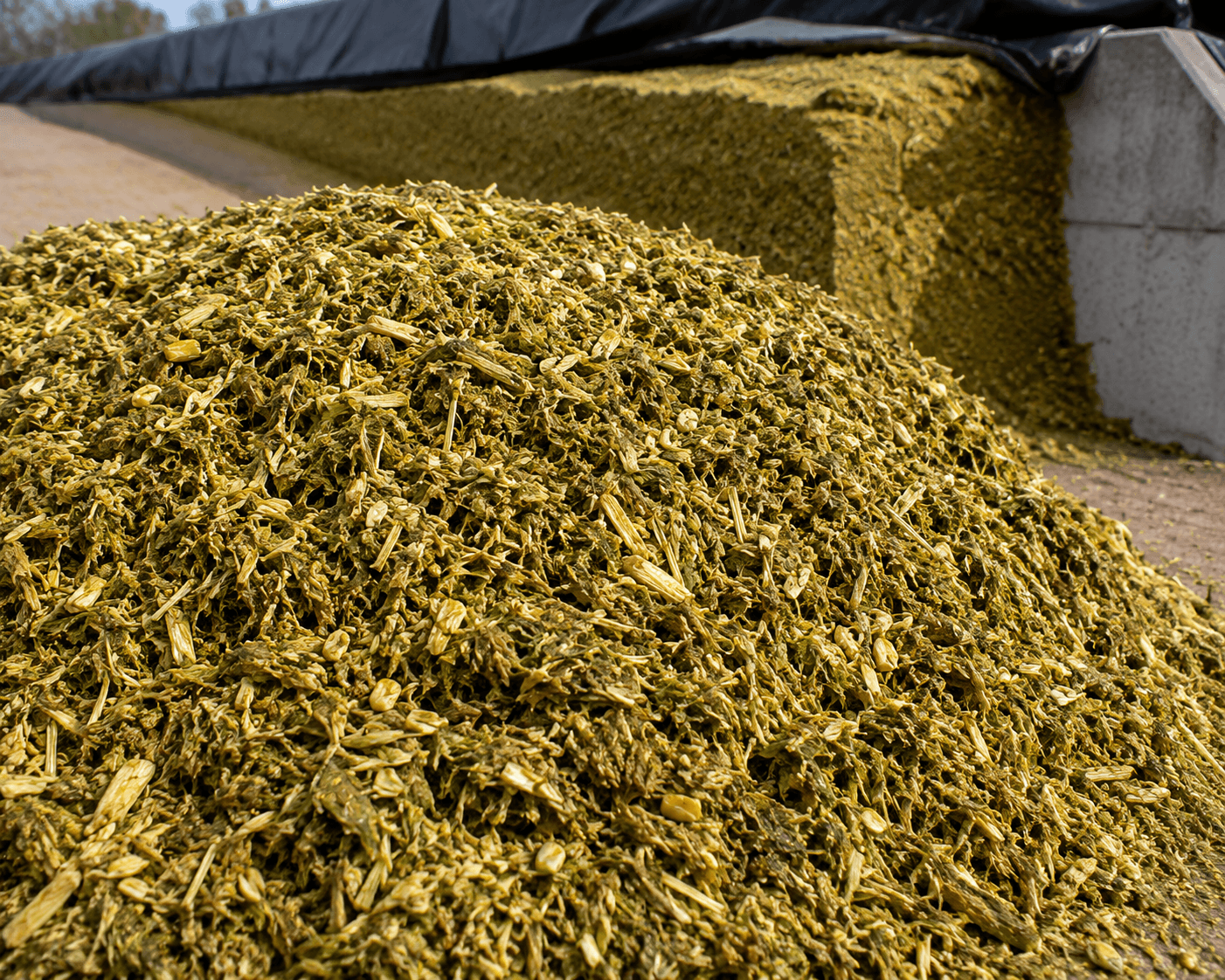
Silage Making for Cattle: Complete Guide
Complete silage making guide for Indian dairy — maize silage process, moisture and chop length targets, sealing, fermentation, and quality checks.
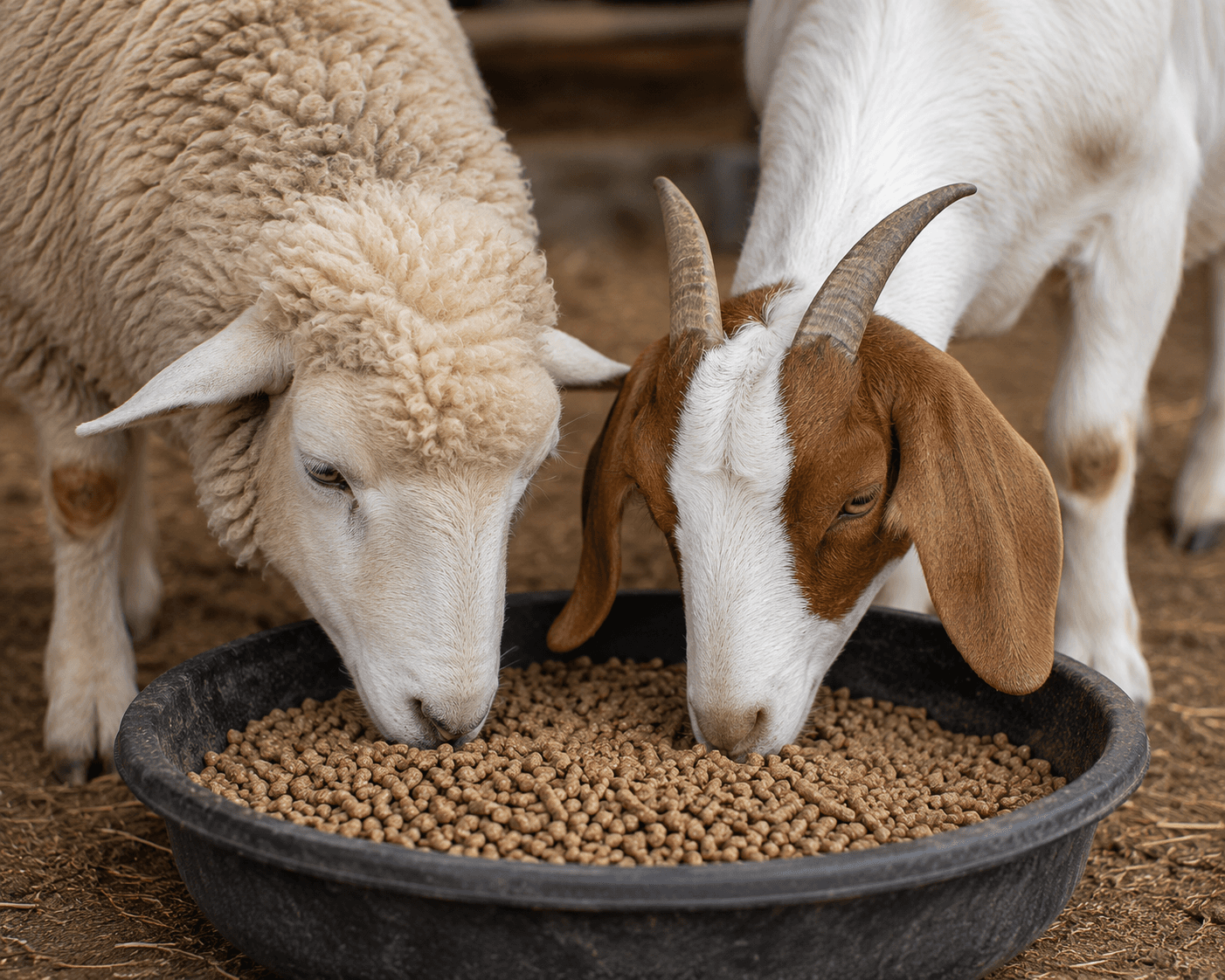
Sheep and Goat Feed: Complete Guide for Indian Smallholders
Sheep and goat feed in India — daily concentrate rate by body weight, why feed is urea-free, sheep vs goat differences, and breed-specific notes.
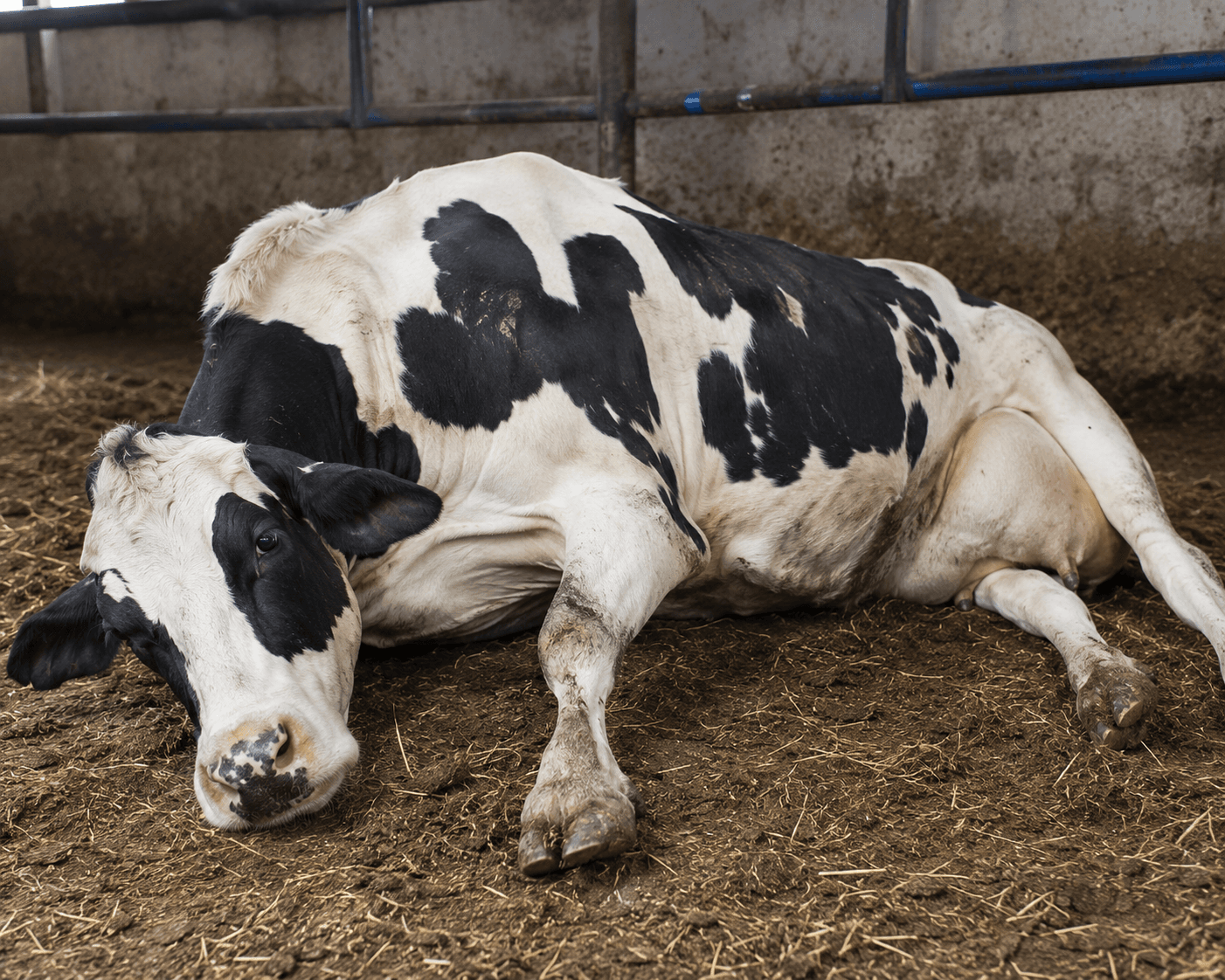
Milk Fever (Hypocalcaemia) in Dairy Cattle: Causes, Treatment & Prevention
Milk fever in cows and buffaloes — symptoms in the first 72 hours after calving, three stages, IV calcium treatment, and dry-period prevention protocol.
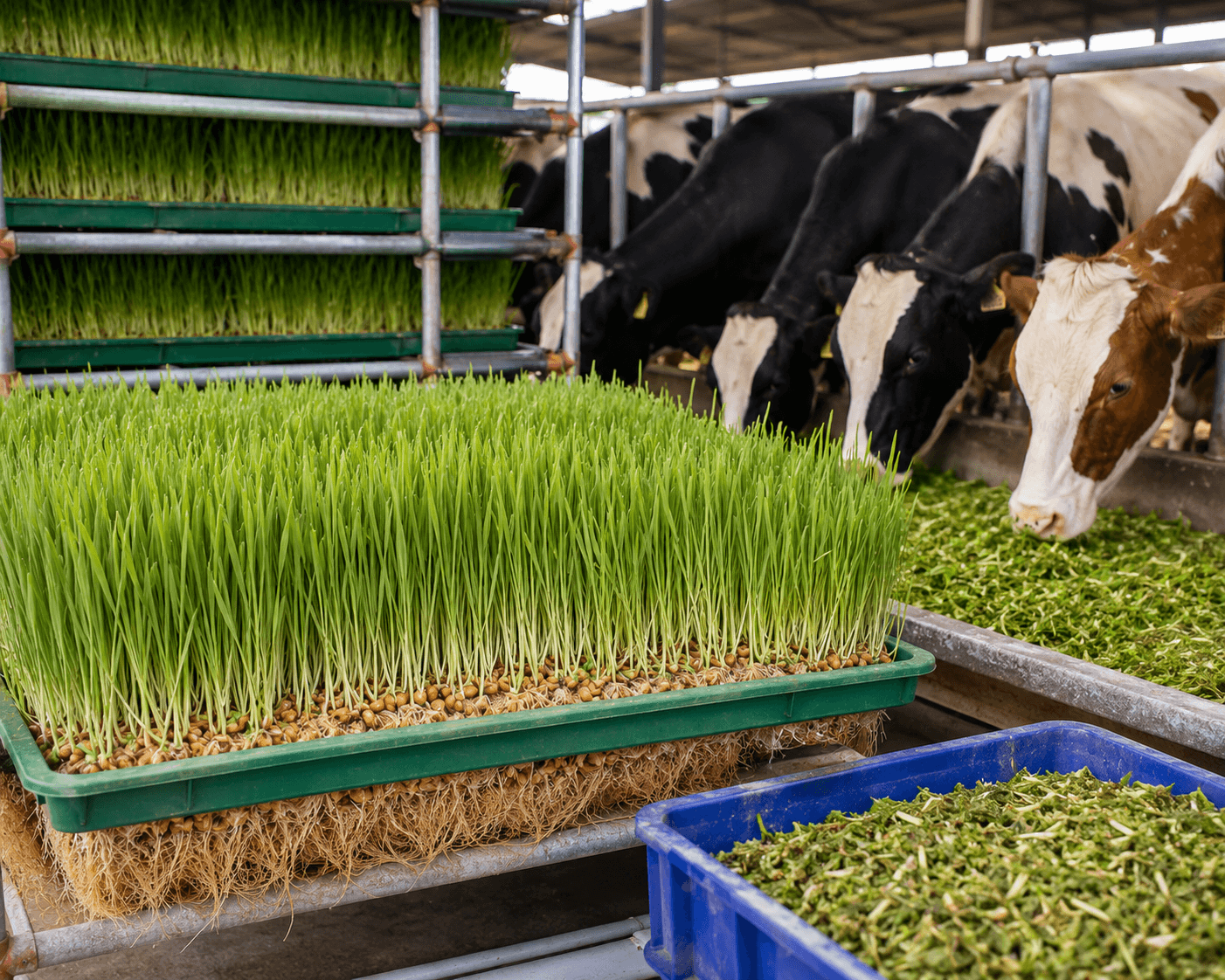
Hydroponic Green Fodder for Indian Dairy
Hydroponic green fodder for Indian dairy — grow fresh fodder from barley seeds in 7 days, setup cost, feeding rates, problems, and ROI for small farms.
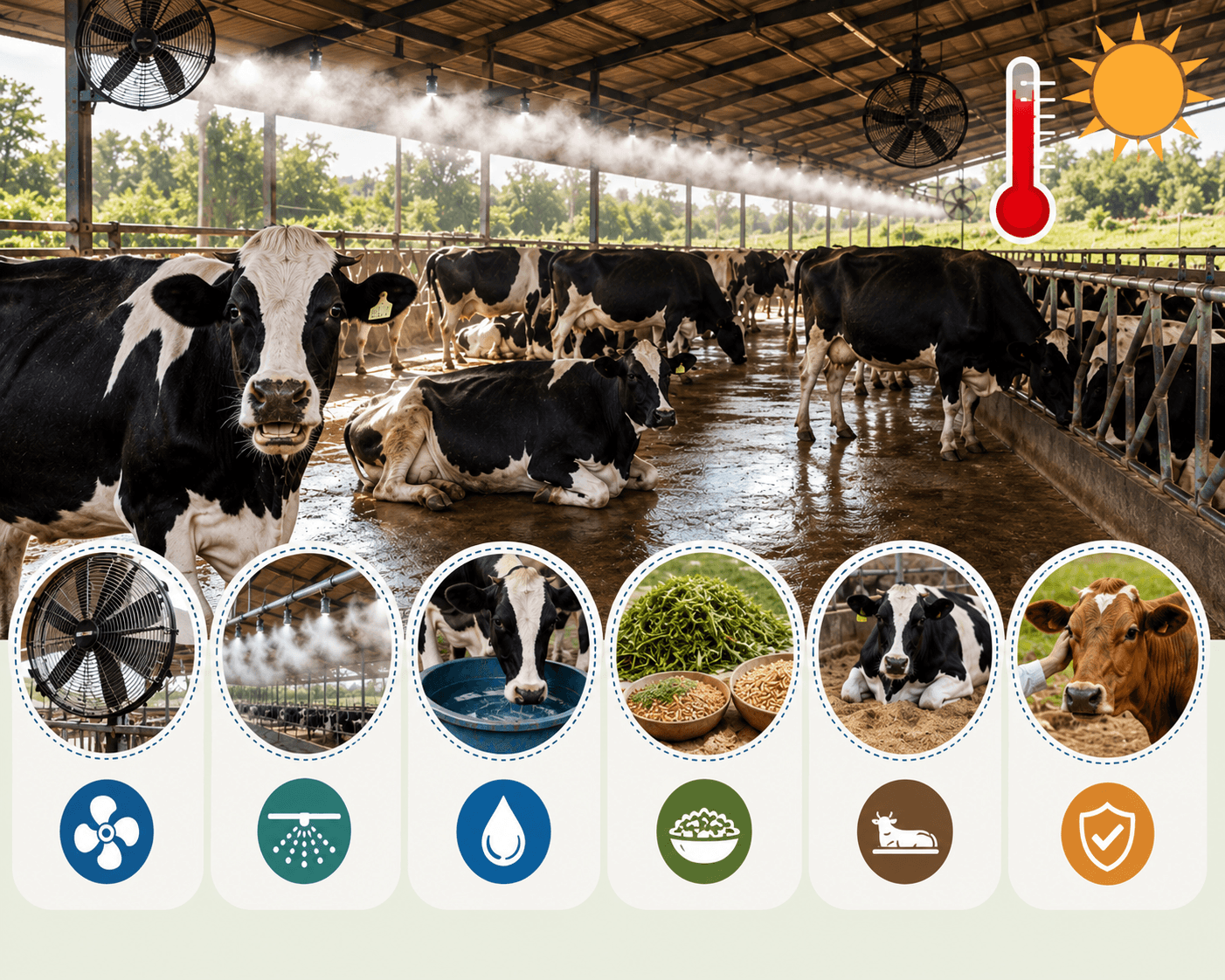
Heat Stress in Dairy Cattle: How to Manage Summer in India
Managing summer heat stress in Indian dairy cattle and buffalo — signs to watch, cooling methods (shade, fans, sprinklers), and keeping milk yield steady.
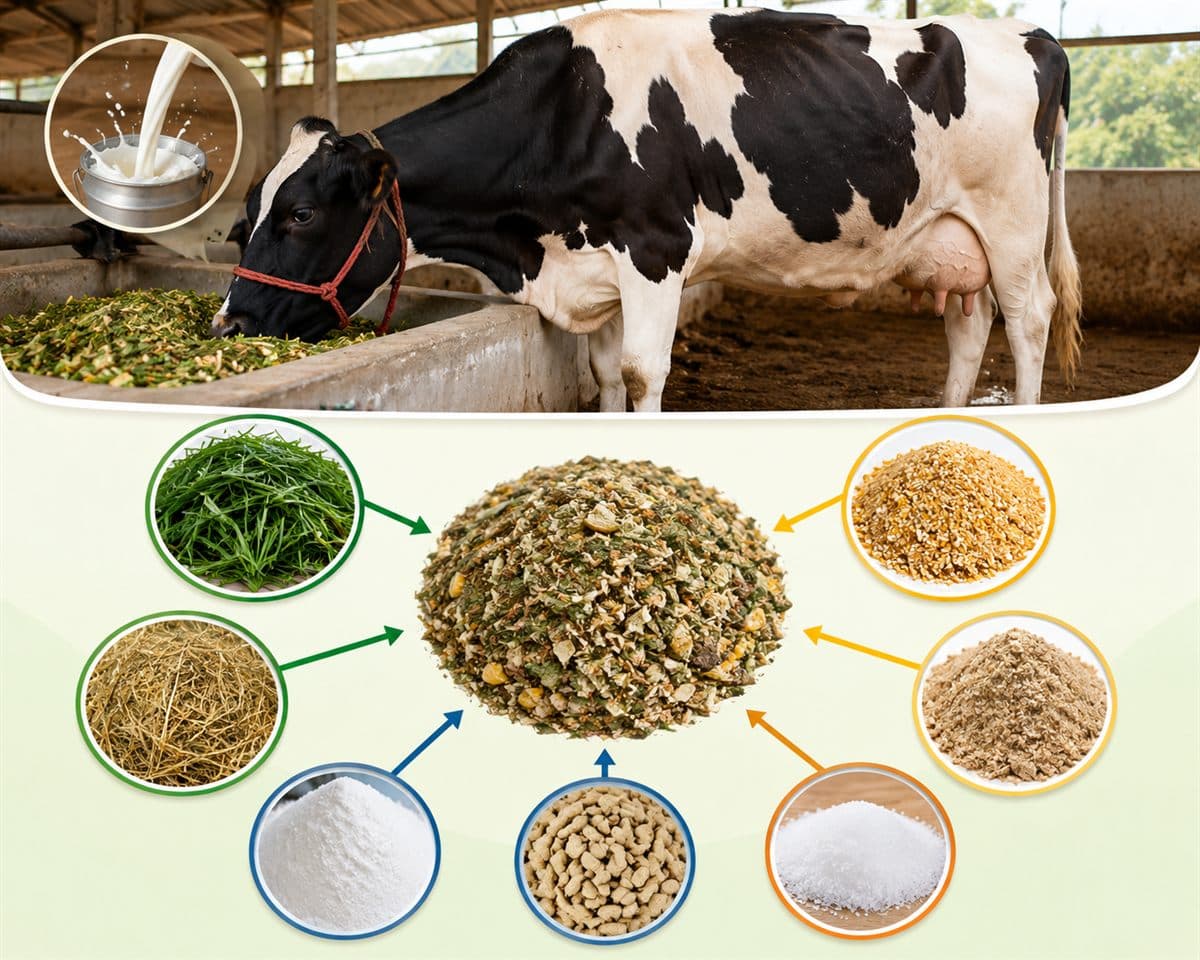
Feeding Lactating Cow: Complete Ration Guide
Feeding lactating dairy cows in India — Type-1 vs Type-2 compound feed by milk yield, sample rations, 21-day transition, and breed-specific notes.
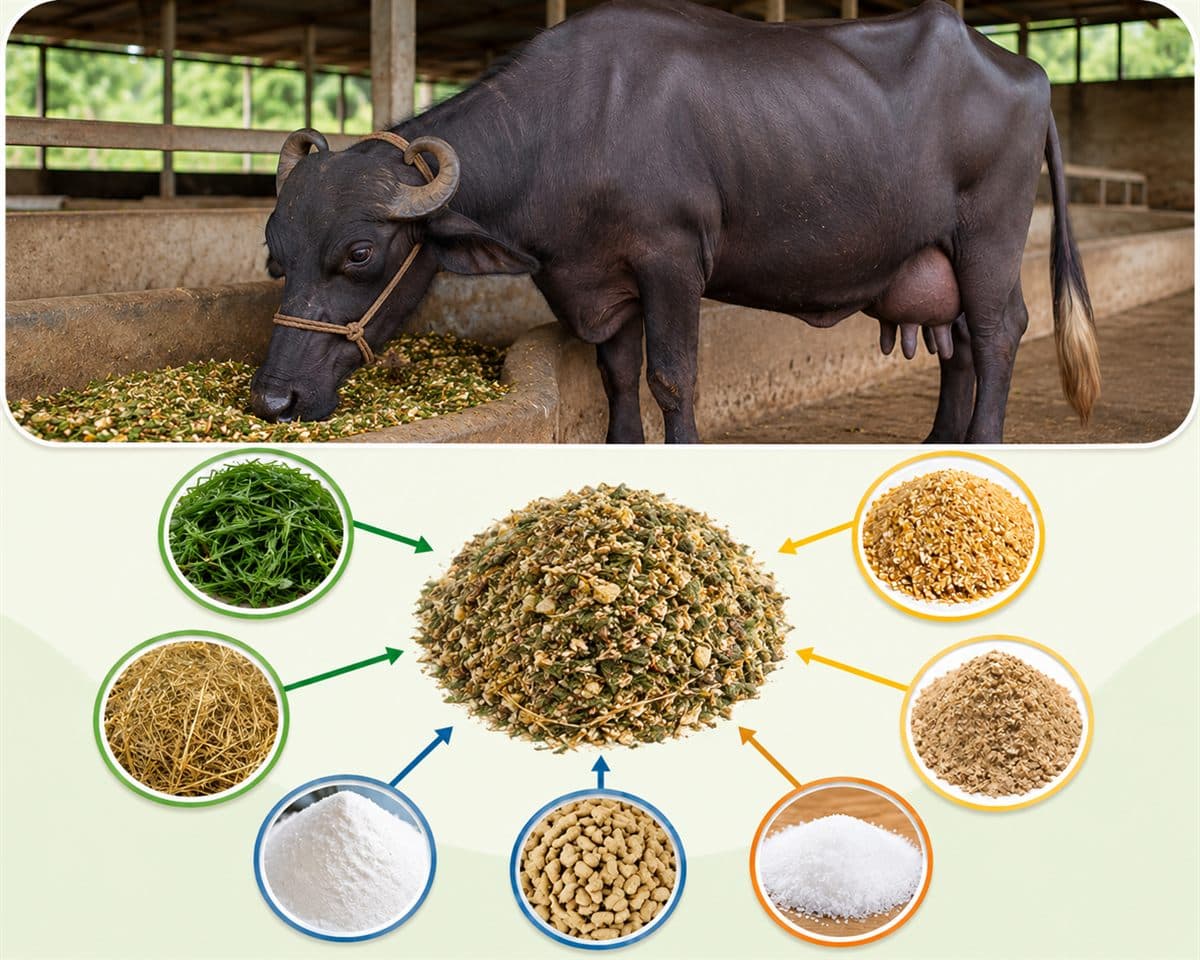
Feeding Lactating Buffalo: Complete Ration Guide
How to feed a lactating buffalo in India — DMI, energy and protein targets, fat advantage over cows, sample ration, and bypass fat use.
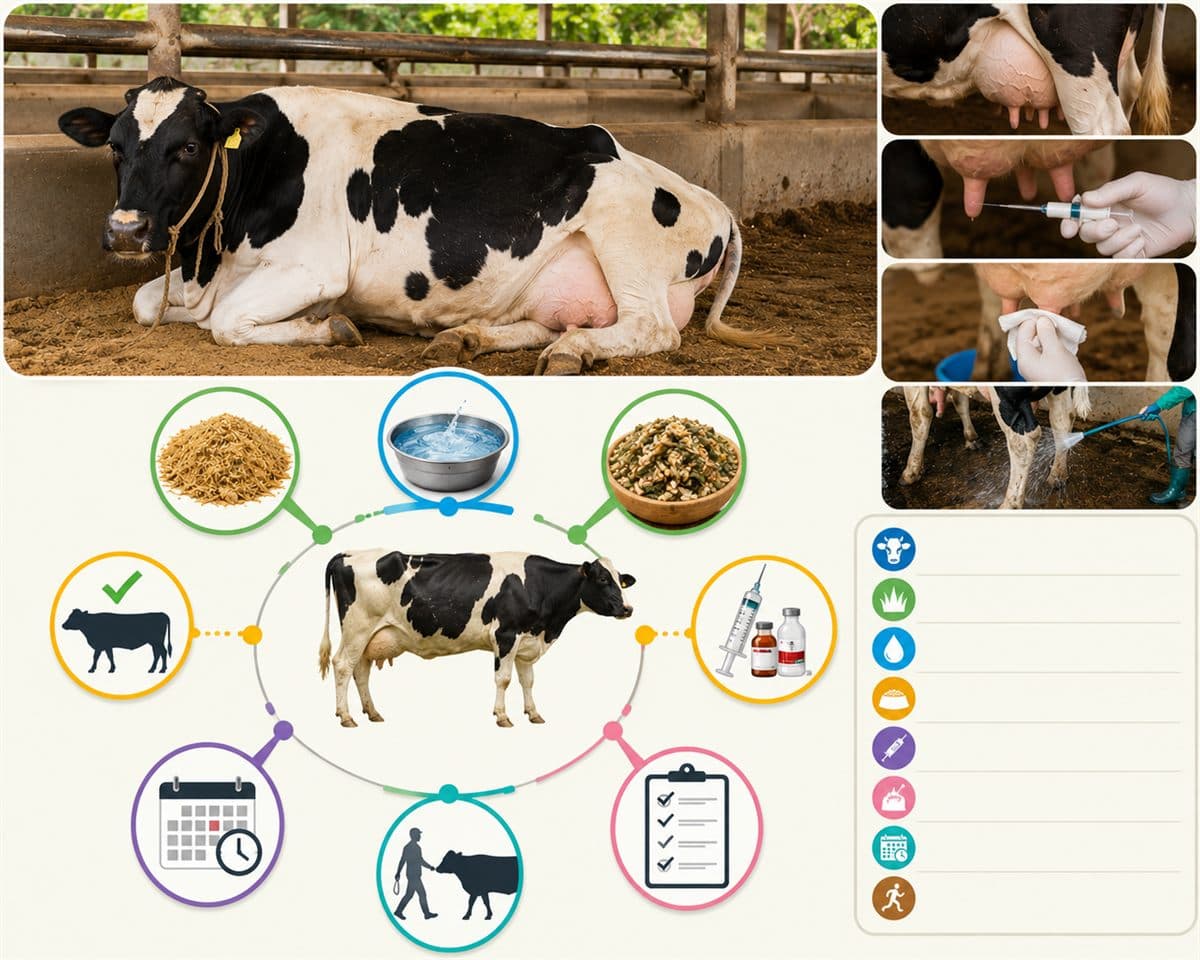
Dry Cow Management: Complete Guide for Indian Dairy
Managing dry cows and buffaloes in the 60 days before calving — when to dry off, two-phase feeding, milk fever prevention, and common mistakes.
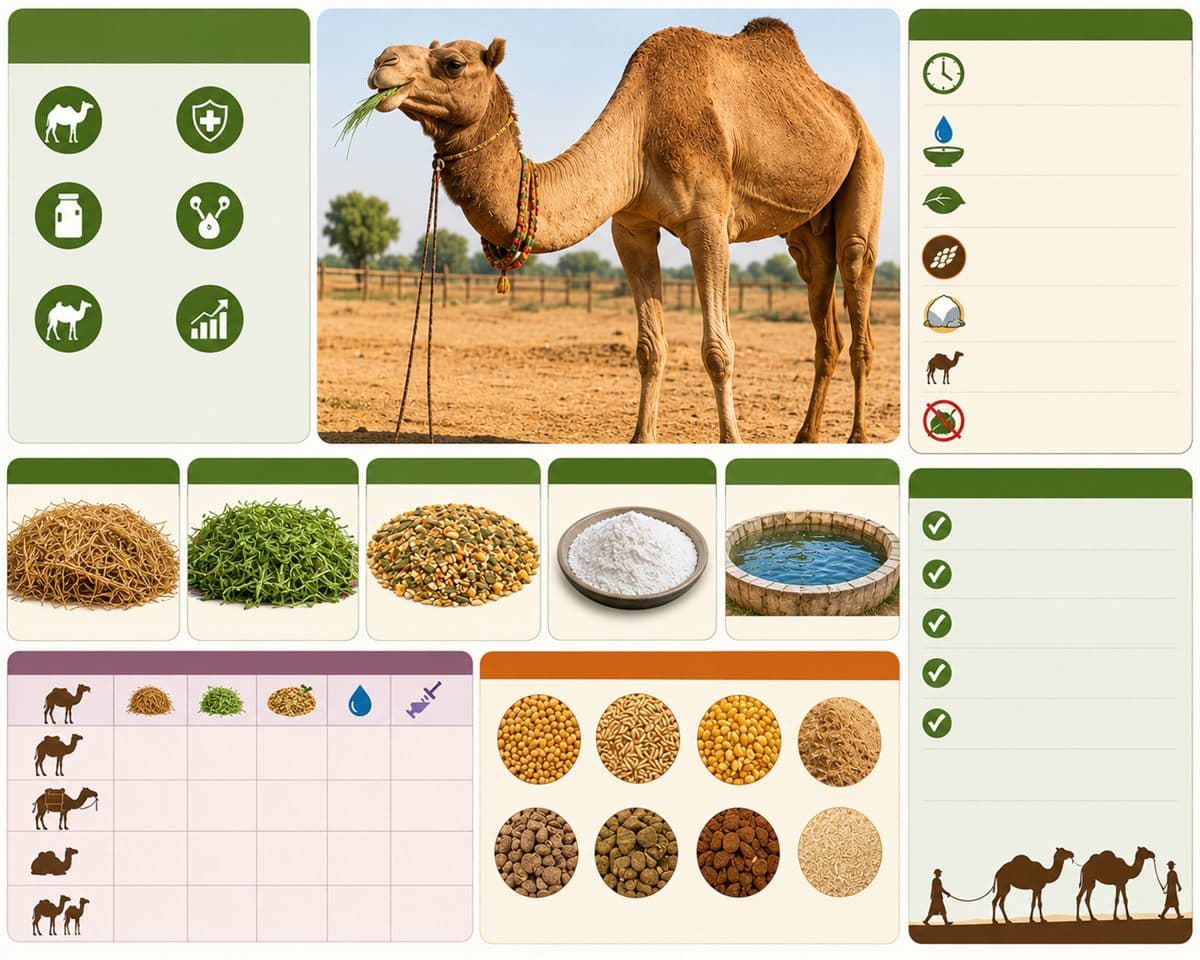
Camel Feeding Guide for Indian Camel Owners
Feeding camels in India — daily green fodder, dry fodder, concentrate amounts, salt and minerals, plus what Rajasthan and Kutch camels eat for milk.
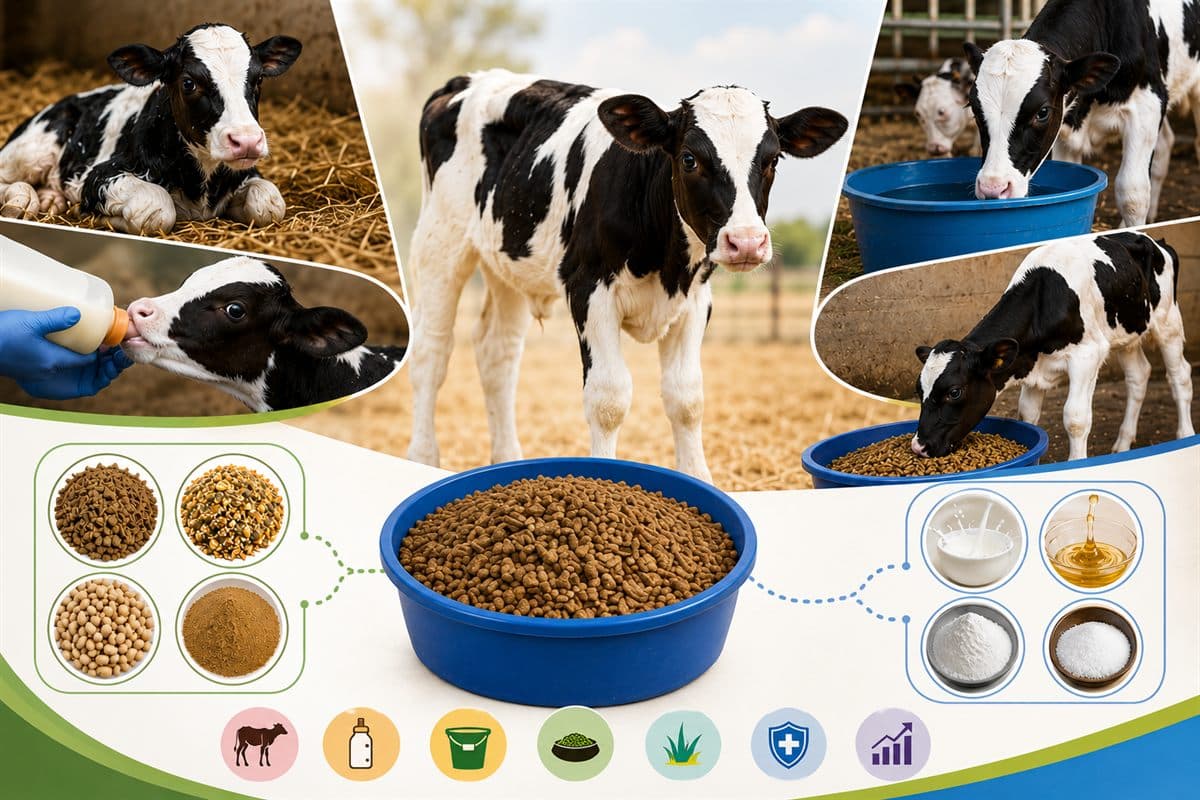
Calf Starter Feed: Complete Guide from Birth to Weaning
Calf starter feed in Indian dairy — colostrum, milk feeding schedule, BIS Type-1 specs, why no urea for calves, weaning age, and common mistakes.
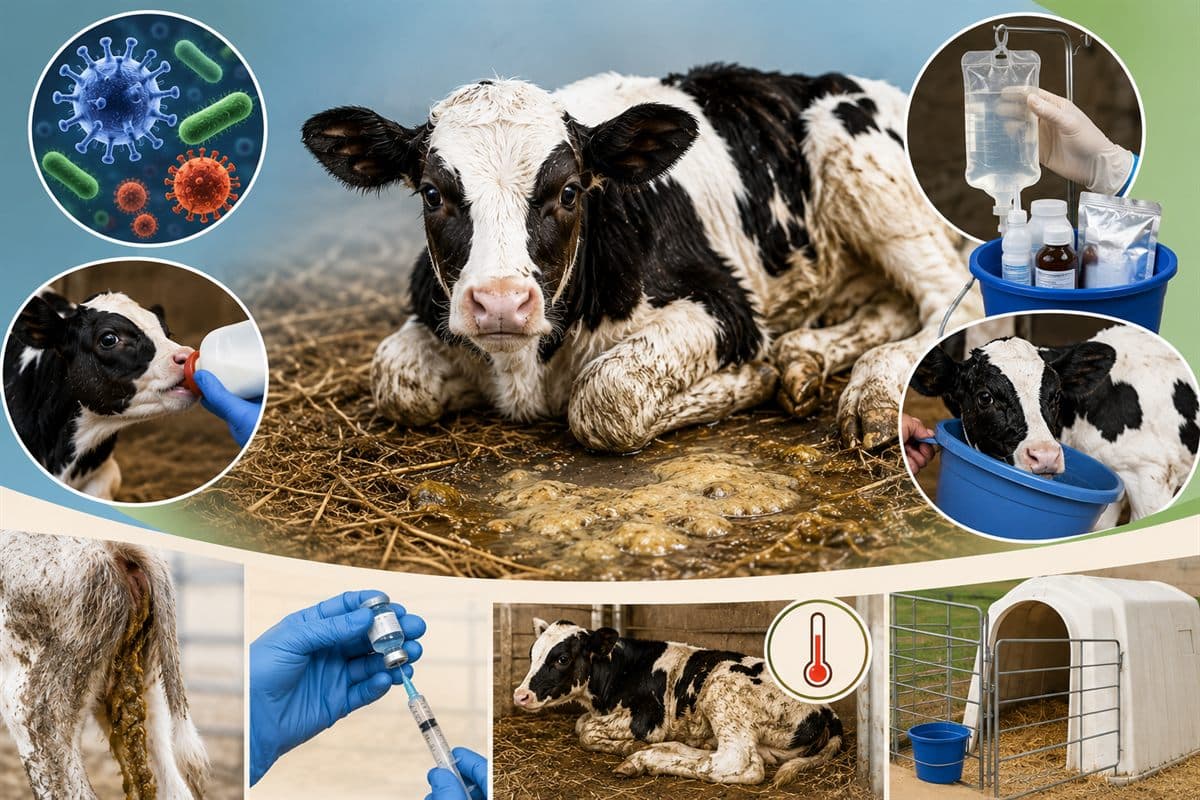
Calf Diarrhoea (Scouring): Causes, Treatment & Prevention
Calf scouring in Indian dairy — nutritional vs infectious causes, dehydration danger, ORS treatment, when to use antibiotics, and prevention via colostrum.
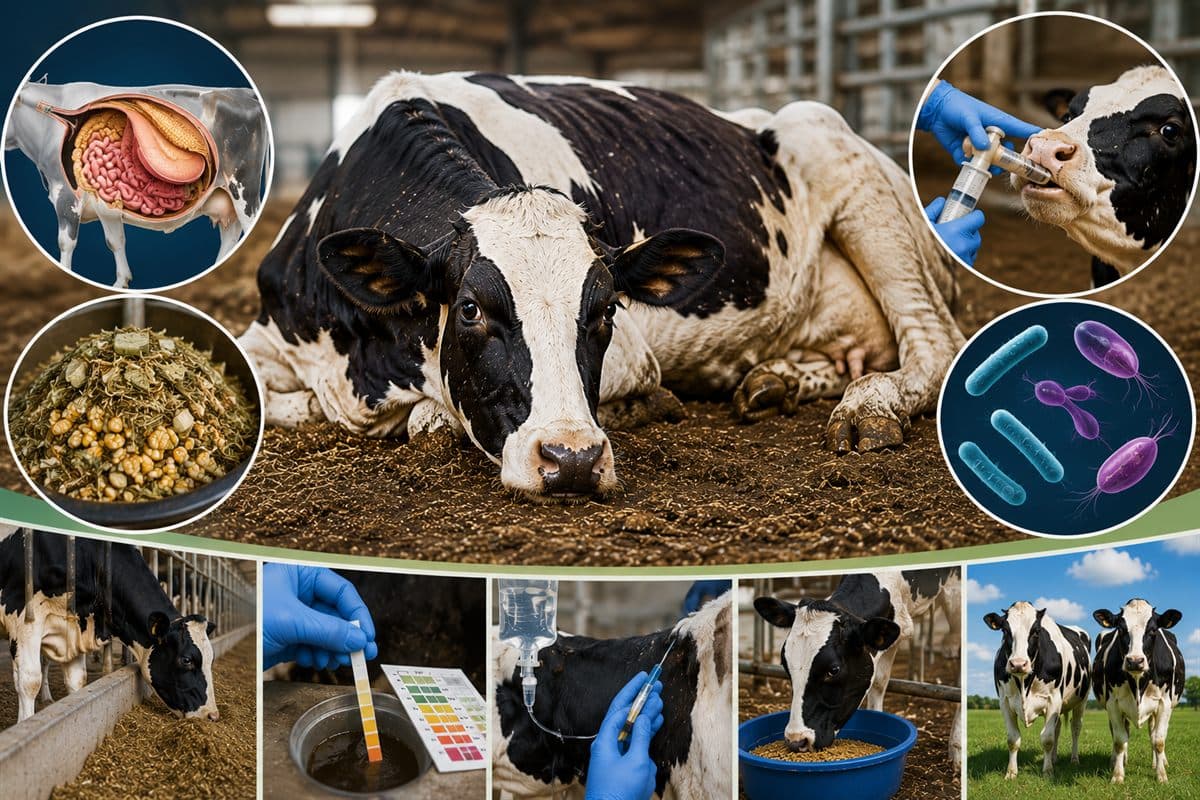
Acidosis in Dairy Cattle: Causes, Prevention & Treatment
Rumen acidosis in dairy cattle — why maize-heavy rations trigger it, milk fat depression as the early warning, sodium bicarbonate buffer, and treatment.
Frequently asked questions
What is the most important thing to know about feeding an Indian dairy cow?
Match the compound feed grade to the milk yield. Type-1 compound feed (22% crude protein minimum) is for cows yielding over 15 L/day and for lactating buffaloes. Type-2 (20% CP) is for dry cows, low-yielders, and growing heifers. Feed 400 g of Type-1 per litre of milk plus 1.5 kg for maintenance. Always supply green fodder (30–40 kg/day for a lactating cow), dry roughage, clean water (60–100 L/day), and a compounded mineral mixture. Follow a 21-day transition protocol whenever changing feed brands or grades to prevent acidosis.
How much green fodder should a lactating dairy cow get per day?
A lactating crossbred cow needs 30–40 kg of green fodder per day (fresh weight). Split between two feedings. Preferred fodders are berseem, lucerne, and hybrid napier during their respective seasons; maize green fodder or maize silage year-round; sorghum (jowar) and pearl millet (bajra) in kharif. A daily ration of only compound feed and dry roughage without green fodder will reduce milk yield, harm rumen health, and lower fertility.
What are the most common feeding mistakes in Indian dairy farms?
Six recurring mistakes. First, feeding the same ration to dry cows and lactating cows — dry cows should get less concentrate. Second, changing compound feed brands overnight without a 21-day transition — this causes rumen acidosis. Third, skipping mineral mixture to save money — silent losses in yield and fertility. Fourth, over-feeding maize alone without balancing protein and fibre — causes acidosis. Fifth, feeding wet monsoon-affected fodder without checking for mycotoxins. Sixth, ignoring the 60-day dry period — this determines the next lactation's yield.
How do I know if my dairy cow is being fed properly?
Five signs of good feeding: body condition score stays between 3.0 and 3.5 through the lactation cycle; milk yield tracks the expected lactation curve (peaks around 60–80 days post-calving, gradually declines); milk fat is 4.0%+ (cow) or 6.5%+ (buffalo); the cow comes back into heat within 60–90 days post-calving and conceives within 90–120 days; hair coat is glossy, dung is a well-formed pat without loose or watery texture. Persistent problems on any of these signals a feeding issue.