Monsoon Dairy Management: Protect Cattle, Feed & Milk Yield
By Parv Badjatiya · Published Tue Jun 23 2026 00:00:00 GMT+0000 (Coordinated Universal Time) · Updated Tue Jun 23 2026 00:00:00 GMT+0000 (Coordinated Universal Time)
The Indian monsoon brings welcome relief from the May–June heat, refills the green fodder supply, and drops air temperatures by 5–8°C. For a dairy farmer, that should mean higher milk yield, lower cooling costs, and easier feeding. In practice, many Indian dairy farms lose 10–20% of milk production between July and September — not because of the heat but because of the humidity, mud, and feed spoilage that come with the rain.
The monsoon problems are different from the summer ones, and they need a different management playbook. This guide walks through what changes, what you should do before the first rain, and how to keep your herd healthy and productive through the wet season.
Why monsoon is harder on dairy than it looks
Heat stress in May is dramatic — the cow visibly pants, drinks more water, eats less, drops milk. Farmers see the problem and act. Monsoon stress is the opposite. The cow looks fine. The shed looks clean. Milk yield drifts down a litre at a time. By August, the farm has quietly lost two months of production margin to problems that started with the first heavy rain.
The five monsoon failure modes:
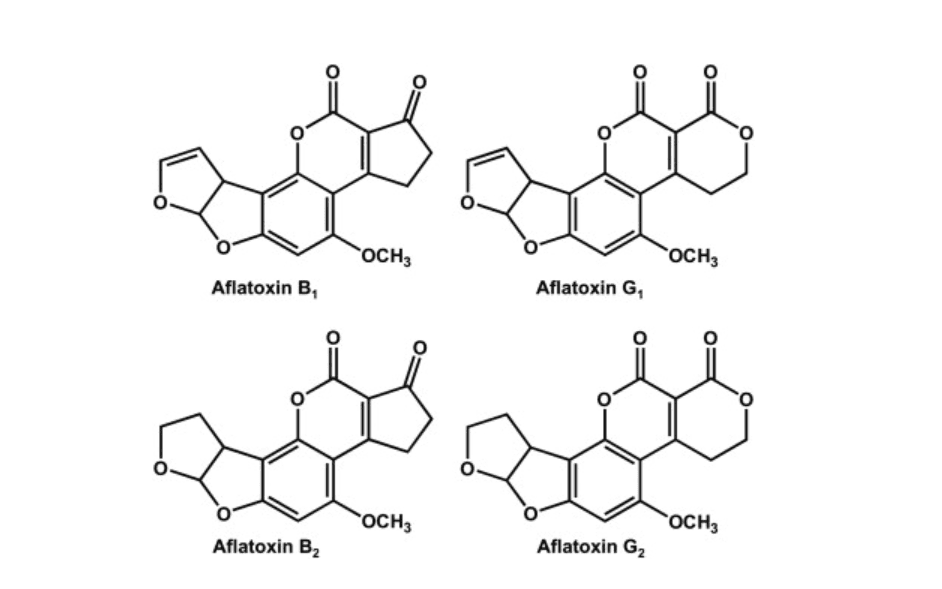
- Feed mould and aflatoxin — humidity above 70% with temperatures of 25–35°C is the perfect environment for Aspergillus flavus to grow on stored grain, oilseed cakes, and compound feed. The toxin it produces, aflatoxin B1, is invisible, tasteless, and ten times more carcinogenic than the limit allowed in dairy cattle feed.
- Mastitis spike — teats stay wet and dirty between milkings; bacterial counts on udder skin can rise 5–10× their summer levels.
- Foot rot and lameness — constant wet flooring softens hoof horn and lets bacteria in.
- Calf scour — cold rain, damp bedding, and reduced colostrum quality combine to push calf diarrhoea incidence up sharply.
- Hidden intake drop — animals fill on water-laden green fodder and drop concentrate consumption, dragging their nutrient supply down.
The good news: every one of these failure modes is preventable with planning. The cost of prevention is a small fraction of the production losses.
Pre-monsoon preparation — the 10-day checklist
The single biggest mistake is treating monsoon management as something you start once the rain arrives. By then the storage room has already humidified, the bedding has already soaked, the hooves have already softened. The right time to act is the 10 days before the rains start in your region.
- 1Repair the shed roof and walls
Walk the entire shed roof with a torch on a sunny day. Patch every visible hole, replace cracked tiles or rusted tin sheets, and check that drainage gutters are clear. A single roof leak above the feed bin can ruin a month's stock.
- 2Audit feed storage moisture before bulk-buying
Borrow or buy a hand-held grain moisture meter (₹2,500–5,000). Test every lot of maize, oilseed cake, and compound feed already in storage. Reject anything above 13% moisture — that's already in the mould-risk zone.
- 3Lay pallets and create air gaps
Move all stored feed onto wooden pallets at least 4 inches off the floor. Keep a 6-inch gap between stacks and walls so air circulates. Bags directly on the floor wick up ground moisture within days.
- 4Stock dry bedding for at least 3 weeks
Buy and stack enough straw, sawdust, or sand to cover daily bedding changes for 21 days. Wet bedding is the single biggest mastitis and foot rot trigger.
- 5Trim hooves and bath the feet
Have a hoof trimmer (or trained farmer) inspect every adult cow's hooves before monsoon starts. Long, overgrown hooves are 3–4× more likely to develop foot rot. Walk all animals through a 5% copper sulphate foot bath the day before the rain begins.
- 6Build the mycotoxin binder buffer
Order enough clay-based or yeast-cell-wall mycotoxin binder for 3 months of feeding (1–2 kg per ton of concentrate). Don't wait until aflatoxin shows up — by then the cow has already eaten it.
- 7Vaccinate against monsoon diseases
Confirm haemorrhagic septicaemia (HS), black quarter (BQ), and foot-and-mouth (FMD) vaccinations are current. These diseases peak during the monsoon and into early winter. Schedule the vet visit at least a week before the rain so vaccine immunity is built up in time.
Feed storage — where most monsoon damage actually happens
Most dairy farmers think of monsoon problems as animal health problems. The biggest single financial loss is usually in the feed shed.
The moisture threshold that matters
Aflatoxin-producing moulds need three things to grow: moisture above 13% in the substrate, temperature between 25–35°C, and oxygen. Monsoon delivers all three for two months at a stretch. Below these thresholds, the moulds are dormant; above them, they double their population every few hours.
The first bar is a safely-dried batch. The second is what arrives at many small mills in July without a buyer checking. Once moisture crosses 13%, the bag's internal humidity climbs further as the grain respires, and visible mould patches appear within 5–10 days.
High-risk ingredients to watch
Some ingredients are far more vulnerable than others. Be especially careful with:
| Ingredient | Why it's monsoon-risky |
|---|---|
| Maize | High starch + thin pericarp; the most aflatoxin-prone Indian grain |
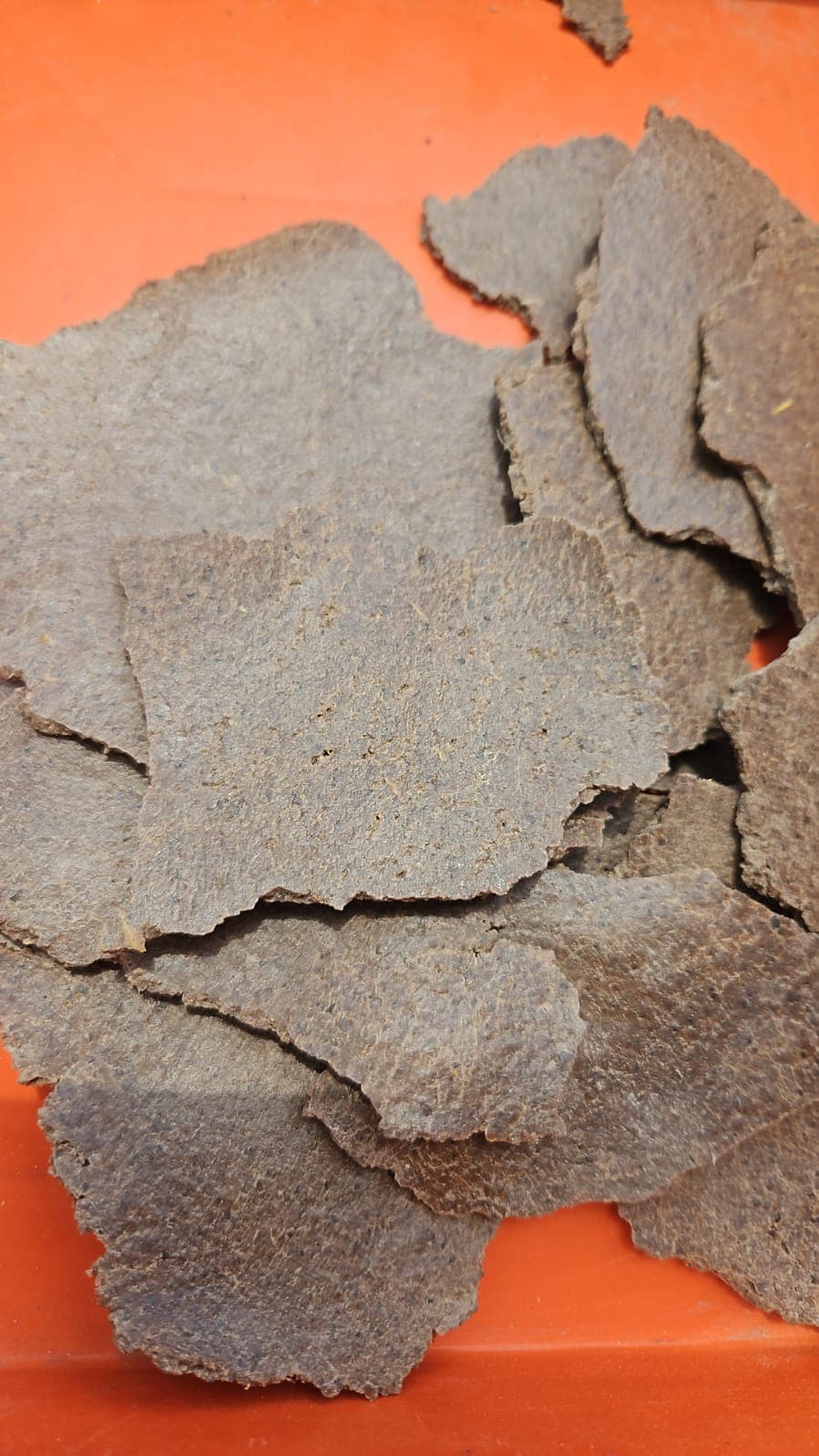
| Groundnut cake | The single most aflatoxin-prone Indian feed ingredient — even at clean intake |
| DDGS | Concentrates aflatoxin 3× from the parent maize during ethanol processing |
| Cotton seed cake | Residual oil oxidises faster in humid air; flavour degrades |
| DORB | Rice bran phytate-bound moisture; harder to dry once wet |
| Mustard cake | Less aflatoxin risk but glucosinolate-related quality decay rises in heat + humidity |
The discipline that actually works in monsoon: buy small lots more often, never stockpile more than 30 days of stock, and reject any delivery that fails a moisture check at the farm gate.
A single contaminated lot of maize or groundnut cake can produce aflatoxin M1 in your milk above the FSSAI 0.5 µg/kg ceiling — meaning the processor can legally reject your entire collection. The cow won't look sick. Milk yield won't crash. You'll just see a rejection letter and lose 30 days of revenue. Test every lot with a strip kit (₹200–400 per test) before incorporating into the ration during monsoon months.
Mould inhibitors and mycotoxin binders — what they actually do
Two different products, two different jobs:
Mould inhibitors (propionic acid, sorbates) — added to feed at 1–2 kg per ton to prevent new mould growth in storage. They don't deactivate aflatoxin that's already present.
Mycotoxin binders (bentonite clay, activated charcoal, yeast cell wall β-glucans/MOS) — added at 1–2 kg per ton, bind aflatoxin in the cow's gut so less reaches the bloodstream and the milk. They don't prevent mould; they reduce the impact of toxin that's already in the feed.
Most Indian dairies need both during monsoon — inhibitor for stock you'll hold more than 2 weeks, binder for ingredients you can't guarantee are clean.
Mastitis prevention — the monsoon's biggest health hit
Surveys across major Indian milk co-operatives show clinical mastitis cases roughly double between May and August. Subclinical mastitis (raised SCC without visible signs) rises even more sharply — sometimes 3–4× the dry-season baseline.
The combination that drives it:
- Mud on the udder — every cow walks through it; teat skin gets contaminated 24/7
- Wet teat canal — water + dirt enters the teat between milkings
- Insect transmission — flies and mosquitoes mechanically carry bacteria from infected to healthy animals
- Wet bedding — bacterial counts in damp bedding rise 100–1000× vs dry bedding
The non-negotiable monsoon mastitis routine
Pre-milking teat hygiene that's "optional" in dry months is non-negotiable in monsoon. Wash the udder with clean (not pond) water, dry with a single-use cloth or paper, then dip teats in a chlorhexidine or iodine pre-milking solution. After milking, dip teats in a teat sealer to close the canal. Every cow, every milking. This single discipline cuts monsoon mastitis incidence by 50–70%.
Other essentials:
- Clean dry bedding daily — wet bedding is the single biggest controllable variable
- Fly control — sprays, traps, ear tags; the cost is trivial vs treatment expense
- Cull or isolate recurrent cases — a chronic-mastitis cow is a reservoir for the whole herd in monsoon
- Watch the bulk tank somatic cell count (SCC) — a rising SCC over 2–3 weeks is your earliest warning that subclinical mastitis is spreading
For high-risk herds, ask your vet about a pre-monsoon antibiotic dry-cow therapy at the start of every dry period from June onward.
Foot rot, hoof care, and shed hygiene
Foot rot is bacterial infection (Fusobacterium necrophorum, often with Dichelobacter nodosus) of the soft tissue between the claws. It's triggered when constantly-wet hooves develop a small abrasion that lets the bacteria in.
Prevention basics:
- Keep at least one dry resting area in every shed at all times. Even a small concrete platform 10×10 ft with dry bedding helps.
- Daily bedding renewal during heavy rain spells.
- Weekly footbath — copper sulphate at 5% or zinc sulphate at 10% in a shallow trough at the shed entrance.
- Hoof trimming pre-monsoon — overgrown hooves trap moisture and dirt.
- Catch lameness early — limping plus visible swelling between the claws = treat that day; don't wait for it to spread.
A cow with untreated foot rot will drop 2–4 L/day in milk yield and stay reduced for 3–4 weeks even after recovery.
Calf health in monsoon — the highest-risk population
Calves under 3 months are the most vulnerable members of the herd in monsoon. Three things go wrong together:
- Cold + damp — calves can't thermoregulate as well as adults; they get chilled in wet bedding.
- Higher infectious load — rotavirus, coronavirus, E. coli, and cryptosporidium all rise in the wet, dirty environment.
- Colostrum quality may drop — if dam-side nutrition slips in monsoon, colostrum antibody levels fall too.
Practical calf care for monsoon:
- Dedicated dry calf pen — separate from adult cattle, raised flooring, dry bedding, draught-free
- Heat source if rain is cold — a 60W bulb in an enclosed corner makes a measurable difference
- Don't dilute milk with monsoon-source water — wait until water is properly boiled or filtered
- Watch for early scour signs — soft dung that hasn't dropped colour is the earliest warning; act with ORS before dehydration sets in. See the calf diarrhoea guide.
Feeding adjustments — small changes that hold milk yield
The biggest mistake is changing the whole ration when monsoon starts. The rumen needs the same 21-day transition discipline that applies year-round (see feeding lactating cow). Small targeted tweaks work better than wholesale changes.
- Slight concentrate reduction (5–10%) — intake drops in humid weather, over-feeding wastes money
- Live yeast supplement (5–10 g/cow/day) — stabilises rumen under intake variability
- Mycotoxin binder (1–2 kg/ton concentrate) — insurance against bad lot of grain
- Fresh green fodder cut daily — never stockpile overnight
- Bypass fat for high-yielders — concentrated energy when intake drops
- Buffer salts (sodium bicarbonate) for any cow on heavy concentrate
- Stockpiling 30+ days of feed — humidity catches up before you finish
- Switching to a new feed brand mid-monsoon — sudden ration change worsens stress
- Increasing concentrate to compensate for less intake — risks acidosis
- Wet, fermented, or soaked dry fodder — mould risk is high
- Pond water as drinking source — bacterial contamination spike
- Skipping mineral mixture to save cost — animals need MORE not less in stress
Why intake actually drops
It's counterintuitive — green fodder is abundant, the weather is cooler, the cows look comfortable. But:
- Wet green fodder is mostly water — a cow eating 30 kg fresh fodder may only be getting 4–5 kg of dry matter (vs 6–8 kg from drier summer fodder)
- High humidity reduces appetite signaling — neuro-hormonal feedback slows
- Loose dung means faster passage — nutrients are absorbed less efficiently
The fix is not "give them more" — it's "ensure what they eat is dense enough." Mix in 2–3 kg of dry fodder, maintain compound feed at normal levels, and keep mineral mixture at 100–200 g/day.
Clean water — overlooked in monsoon, not less important
Many farmers assume rain solves the water problem. The opposite is true:
- Runoff contaminates troughs with mud, leaves, bird droppings
- Pond and well water turn turbid with surface contamination
- Standing puddles become breeding grounds for mosquitoes and flies
Practical water hygiene:
- Clean water troughs twice daily during monsoon
- Cover troughs to prevent rain runoff into them
- If well-water turbidity rises after heavy rain, switch to chlorinated stored water
- Drain any standing water within 50 m of the shed within 24 hours
A 10% drop in water intake produces a 5–7% drop in milk yield. Animals notice contaminated water before you do.
Pre-monsoon vs in-monsoon — the timing matters
The single biggest signal of whether a farm will lose money or hold steady in monsoon is whether the preparation happened before the first heavy rain or after it.
| Action | Pre-monsoon (works) | In-monsoon (mostly damage control) |
|---|---|---|
| Roof repair | ✓ — dry conditions, lasting fix | Patchwork, often leaks again |
| Hoof trimming | ✓ — hooves are firm | Hooves already soft, more bleeding risk |
| Vaccination | ✓ — immunity built up by rain | Immunity 2–3 weeks behind exposure |
| Feed audit | ✓ — reject bad lots before paying | Already in storage, sunk cost |
| Bedding stockpile | ✓ — dry to dry | Wet stock arrives, partially wasted |
The work in this article is monsoon-season work — but the highest-leverage timing for most of it is the 7–14 days before the season starts.
When the dry season returns
Most Indian regions see the first heavy rain in June and the last meaningful rain by mid-to-late September. By October, conditions normalise. But the carry-over effects of poor monsoon management — chronic mastitis, lame cows, scour-stunted calves, mycotoxin liver damage — can last well into the winter milking season.
A herd that loses 15% of milk yield through monsoon and then sees a slow recovery into winter will produce 20–30% less annual milk than a herd with the same animals but better seasonal management. That's the cost of getting monsoon wrong — and the reward of getting it right.
Bottom line — the monsoon priority list
If you do nothing else from this article, do these five things:
- Audit and dry your stored feed before the first rain — buy a moisture meter
- Lay dry bedding daily — every shed, every animal
- Pre-milking teat hygiene is non-negotiable — wash, dry, dip, every milking
- Weekly foot bath — copper or zinc sulphate, every cow
- Mycotoxin binder in the concentrate — 1–2 kg/ton through monsoon months
Five disciplines, all cheap, all controllable. The cows look the same. The shed looks the same. The milk tank doesn't — it stays full where it would otherwise drop a litre per cow per day.
Monsoon is not the dairy farmer's enemy. Unmanaged monsoon is.
Frequently asked questions
What are the biggest dairy problems during the Indian monsoon?+
How do I protect cattle feed from mould during monsoon?+
Why does mastitis increase in monsoon?+
What moisture level is safe for stored cattle feed during monsoon?+
Can I feed wet or rain-soaked fodder to cattle?+
How do I prevent foot rot in dairy cattle during monsoon?+
Should I change the ration during monsoon?+
Related articles
Aflatoxin in Cattle Feed
Aflatoxin in Indian cattle feed — the BIS 20 ppb limit, at-risk raw materials, rapid test kits, and how toxin binders prevent aflatoxin M1 in milk.

Maize DDGS, Rice DDGS and Maize DOC in Cattle Feed
Complete guide to DDGS in Indian cattle feed — Maize DDGS, Rice DDGS, and Maize DOC. Protein and fat specs, colour-quality link, aflatoxin risk, dosing.
Groundnut Cake (Mungphali Khal) in Cattle Feed
Groundnut cake (mungphali khal) in Indian cattle feed — 38-45% protein, coin-shape sizing, aflatoxin risk, BIS limits, and Saurashtra sourcing.