Supplements
Cattle feed supplements explained — mineral mixtures, bypass fat, bypass protein, aflatoxin binders, urea, salt, and other functional additives.
Cattle feed supplements are the small-inclusion, high-impact additions that a dairy farmer layers on top of the base ration of green fodder, dry roughage, and compound feed. Well-chosen supplements can lift milk yield by 1–3 litres per cow per day, prevent expensive diseases like milk fever and ketosis, and improve reproductive performance — often at a cost of ₹5–20 per cow per day.
The most important supplement for every Indian dairy is the compounded mineral mixture. Indian soils are widely deficient in zinc, copper, cobalt, selenium, and iodine; even a well-formulated compound feed cannot cover the full macro-mineral requirement for a high-yielding cow. A properly compounded NDDB-spec mineral mixture at 100–200 grams per cow per day fixes deficiencies that would otherwise show up as silent heats, low conception, and reduced milk yield.
The other functional supplements — bypass fat for energy density in peak lactation, bypass protein for high-yielders on grass-based diets, aflatoxin binders during monsoon, urea as non-protein nitrogen for maintenance rations, and salt for water intake and rumen motility — each solve a specific problem when the base ration falls short. The guides in this section explain when to use each, how to dose them, and how to check quality.
Guides in this section
Methane-Reducing Feed Additives — What Indian Dairy Farmers Need to Know
Best methane-reducing feed additives for Indian dairy in 2026 — 6 product categories, Indian availability, practical inclusion rates, carbon credit economics.
Urea in Cattle Feed
Urea in Indian cattle feed — why only technical grade is allowed, the 1% BIS limit, slow-release options like Optigen, and animals that must never get urea.
Mineral Mixture for Cattle Feed
Mineral mixture for Indian dairy — NDDB-prescribed formulation, role of each mineral, daily dose for milch animals and calves, and quality checks.
Bypass Protein in Cattle Feed
Bypass protein in Indian dairy — bypass soybean DOC vs mustard DOC, RUP/RDP fractions, PDIN/PDIE values, dosing by milk yield, and ROI for high-yield herds.
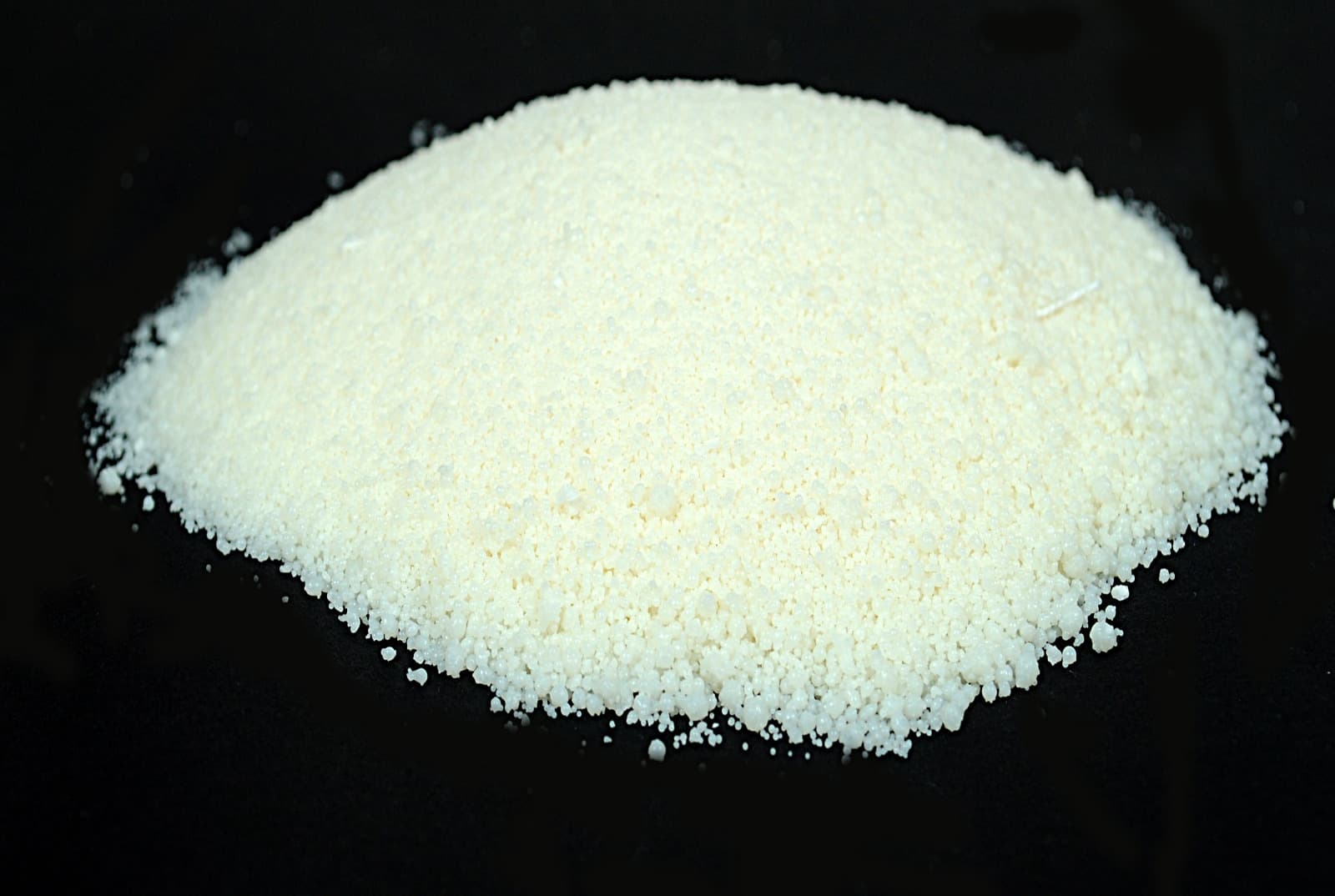
Bypass Fat in Cattle Feed
Bypass fat (rumen-protected fat) in Indian dairy — prilled hydrogenated vs calcium soap, analytical specs, dosing by milk yield, when to use, and ROI.
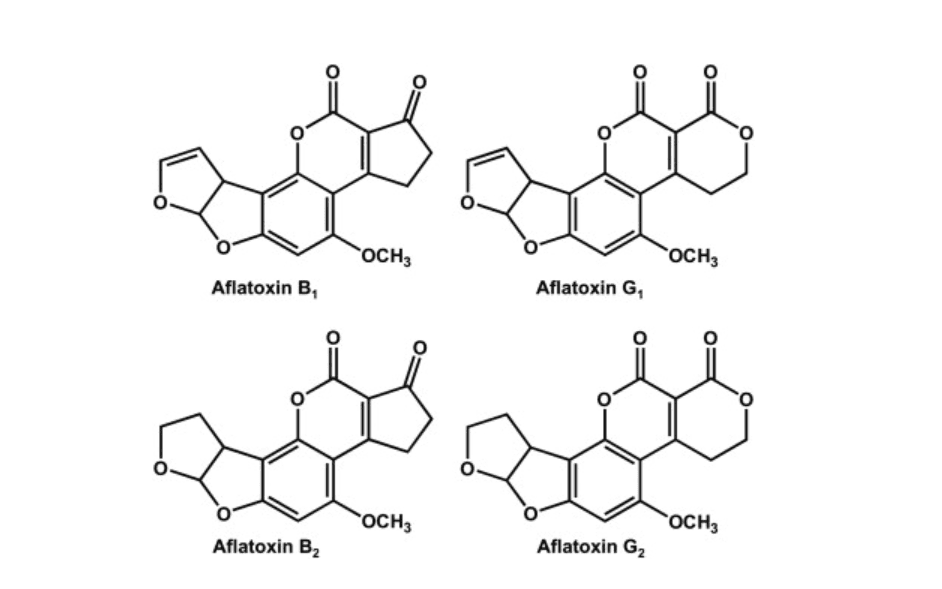
Aflatoxin in Cattle Feed
Aflatoxin in Indian cattle feed — the BIS 20 ppb limit, at-risk raw materials, rapid test kits, and how toxin binders prevent aflatoxin M1 in milk.
Frequently asked questions
What supplements does an Indian dairy cow need every day?
Every lactating cow and buffalo should receive a compounded mineral mixture (100–200 g/day) and salt (30–50 g/day). Beyond these basics, high-yielders (over 15 L/day) benefit from bypass fat (100–200 g/day) and bypass protein (200–400 g/day) during peak lactation. During monsoon or with any high-moisture feed, an aflatoxin binder is essential. Urea can be used as a cheap nitrogen source in dry-cow and low-yielder rations but should never be given to unaccustomed animals or on empty stomachs.
How do I know if my mineral mixture is good quality?
Check the label for compliance with BIS IS:1664 or NDDB specifications. A quality mineral mixture will list guaranteed levels for calcium, phosphorus, magnesium, zinc, copper, manganese, iron, cobalt, iodine, and selenium — not just the macro-minerals. Ask the seller for a Certificate of Analysis for the batch you are buying. Suspect quality if the price is dramatically lower than branded competitors, or if the powder is dull grey (over-oxidised) rather than the expected slightly warm off-white colour.
What is bypass fat and why do dairy cows need it?
Bypass fat is a rumen-protected fat (usually calcium salts of long-chain fatty acids or hydrogenated palm fat) that passes through the rumen without being broken down, then digests in the small intestine. This gives high-yielding cows an extra energy density without disturbing rumen fermentation. Standard dose is 100–200 g/day during peak lactation. Bypass fat is especially useful in the first 100 days post-calving when energy requirements exceed what forage and concentrate alone can supply.
Are cattle feed supplements safe during pregnancy?
Mineral mixture, salt, aflatoxin binders, and bypass fat are safe throughout pregnancy and are actually recommended in the dry period. Bypass protein is optional in late pregnancy and helpful in the last 21 days for high-yielders. Urea should be used more cautiously in late pregnancy — safe at low doses (30–50 g/day) but toxic if intake spikes. Anionic salts for milk-fever prevention are used in the last 21 days of pregnancy but need veterinary guidance for dosing.