Soybean Meal in Cattle Feed
By Parv Badjatiya · Published Mon May 18 2026 00:00:00 GMT+0000 (Coordinated Universal Time) · Updated Mon May 18 2026 00:00:00 GMT+0000 (Coordinated Universal Time)
What is soybean meal, and why does it dominate Indian cattle feed?
Soybean meal is the protein-rich by-product left after oil is extracted from soybean seeds. After the oil mills press or solvent-extract the oil, the remaining flakes are toasted, ground, and bagged. The result is a coarse, slightly yellow powder that contains the highest digestible protein of any plant-based feed ingredient widely available in India.
For dairy cattle, buffalo, and growing calves, it is the most economical way to push the protein content of a concentrate mix above what cereals and brans can provide on their own. The latest India market price for soybean meal is updated daily on our soybean meal price page. Two things make it the default protein in Indian compound feed and farm-mixed rations:
- Amino acid profile. Soybean meal supplies a near-complete amino acid pattern for ruminants, with strong concentrations of lysine, methionine (after rumen processing), threonine, and tryptophan — the amino acids most commonly limiting in cereal-heavy rations.
- Availability and price. Madhya Pradesh produces the bulk of India's soybean crop and hosts most of the country's solvent-extraction capacity, which keeps soybean meal continuously supplied to feed mills nationwide.
The three grades of soybean meal you will see in India
Indian feed mills, traders, and dairy farmers commonly classify soybean meal into three grades by minimum crude protein content. The grades are not arbitrary — they reflect actual differences in processing and how thoroughly the hulls are removed.
| Grade | Crude protein (min) | Typical use |
|---|---|---|
| Normal (Regular) | 45–46% | General-purpose compound feed for adult dairy cattle, buffalo, sheep, and goats. The most widely available and most price-competitive grade. |
| Pro (Mid-grade) | 48% | Premium dairy rations where space in the ration is constrained, or where the formulator wants to lift protein without raising the inclusion rate. |
| Hipro (High-protein) | 50% | Calf starter feeds, high-yielding lactating cows, and premium concentrate mixes. Made by removing more of the soybean hull, which raises the protein concentration. |
Higher grades cost more per kilogram, but they also concentrate more protein per kilogram of feed bin space. For a high-yielding dairy farm where intake is the constraint, paying for Hipro can be cheaper on a "per gram of protein delivered" basis.
Quality standards: what a Certificate of Analysis looks like
Every lot of soybean meal sold to a feed mill in India should come with a Certificate of Analysis (CoA). The CoA references the Bureau of Indian Standards (BIS) test methods, specifically IS:7874 for animal feed chemical analysis and IS:1607 for sieve testing.
Below are the standard specifications for the most common grade — 46% Normal Soya Meal — that any farmer or feed mill should expect to see before accepting a lot.
Physical analysis
| Parameter | Standard | BIS reference |
|---|---|---|
| Colour | Slightly brownish yellow | — |
| Particle size | 4 mm sieve passing 90% min | IS:1607:1977 |
| Odour | Fresh, typical of soya product | — |
Chemical analysis
| Parameter | Standard | BIS reference |
|---|---|---|
| Crude protein | 46.0% min | IS:7874 (Part I):1975 |
| Moisture | 12.0% max | IS:7874 (Part I):1975 |
| Fat content | 1.0% max | IS:7874 (Part I):1975 |
| Crude fibre | 6.0% max | IS:7874 (Part I):1975 |
| Total ash | 7.5% max | IS:7874 (Part I):1975 |
| Sand & silica | 1.0% max | IS:7874 (Part I):1975 |
| Urease activity | 0.30 mg N max | IS:7874 (Part I):1975 |
A real CoA from a reputable supplier will show actual values comfortably inside these limits. A typical good lot of 46% Normal reads around 46.25% protein, 11.5% moisture, 0.7% fat, 5.7% crude fibre, 6.8% ash, 0.4% sand & silica, and urease activity around 0.07 mg N.
Urease activity is the single most important chemical number to check. It indicates how thoroughly the meal has been toasted to deactivate the natural trypsin inhibitors in raw soybean. A reading well below the 0.30 mg N upper limit — in the 0.05–0.15 range — is the sign of properly processed meal. Higher readings mean under-toasting and reduced protein digestibility for the animal.
Inclusion rates by animal and life stage
The following ranges assume soybean meal is being added to a balanced concentrate mix that already contains energy ingredients (maize, broken grains, DORB, wheat bran) and the necessary mineral mixture and salt.
| Animal / stage | Soybean meal in concentrate mix | Notes |
|---|---|---|
| Lactating cow / buffalo | 10–15% | Pairs with cottonseed cake or mustard cake; total ration crude protein should land around 16–18% on a dry-matter basis. |
| Calf starter (3–6 months) | 15–20% | Higher protein is essential for skeletal and rumen development; the Hipro grade is preferred here. |
| Heifers | 8–12% | Moderate protein supports growth without over-conditioning. |
| Dry cow / dry buffalo | 5–8% | Maintenance-level protein; over-feeding wastes money and can affect calving condition. |
| Adult sheep / goat (maintenance) | 5–10% | Forage typically provides the bulk of protein; soybean meal supplements the deficit. |
| Lactating sheep / goat | 10–15% | Higher levels support milk production. |
These ranges are a starting point. The actual inclusion in any farm's mix depends on what other ingredients are present, the price of those ingredients, the milk yield target, and the forage quality. To calculate the cost of your specific ration with today's India prices, use our ration cost calculator. To compute the total DCP and TDN of a planned ration, use our DCP and TDN calculator.
Where soybean meal comes from in India
Soybean meal supply in India is heavily concentrated in Madhya Pradesh — specifically the Indore–Ujjain–Dewas belt, extending into the Nagpur–Wardha districts of Maharashtra. Two factors drive this:
- Madhya Pradesh is India's largest soybean-producing state, accounting for the majority of the national kharif soybean crop. The new-crop arrivals season runs roughly October through December, and stocks ease through to the next harvest.
- India's solvent-extraction plant capacity is heavily clustered in the same region. These plants take farmer-delivered soybean, extract the oil for edible-oil refiners, and bag the resulting meal for feed mills and exporters.
For buyers in other states, this means most soybean meal will arrive by truck from a small set of producing locations. Lead time from order to delivery in north and south India is typically 2–7 days, and freight cost matters meaningfully in the landed price.
How to evaluate a lot before buying
Reading a CoA is the first check. Before accepting a delivery, also do a quick physical inspection:
- Visual colour. A healthy lot is uniformly light yellow to slightly brownish-yellow. A very dark, almost coffee-brown colour suggests overcooking — heat damage reduces protein digestibility (Maillard reaction). A very light, almost greenish colour suggests under-toasting.
- Smell. A fresh, mildly sweet, soy-typical odour is correct. Rancid, mouldy, or stale smells mean reject the lot.
- Moisture feel. The meal should feel dry and free-flowing. Clumpy or damp material is at risk of mould and aflatoxin contamination.
- Foreign matter. Hold a handful and look closely — there should be no visible stones, soil, or sand. Sand and silica adulteration is a real issue with low-end suppliers.
- Particle size. Coarse but uniform; excessive dust or oversized chunks both suggest poor processing.
Common quality issues to watch for
- Under-toasting (high urease activity). Lowers protein digestibility in the rumen and reduces feed efficiency. Identifiable by urease activity above 0.30 mg N or a KOH protein solubility test reading above 85%.
- Over-toasting (dark colour, low protein solubility). Reduces lysine availability and can give an unpredictable bypass-protein fraction.
- Adulteration with sand or rice husk to bulk up weight. Caught via the ash and sand & silica tests on the CoA.
- Mould and aflatoxin contamination, especially in lots that have been stored through Indian monsoon humidity. Visible mould is an obvious reject; aflatoxin testing should be done on any suspicious lot.
- Moisture above 12%. Promotes mould growth in storage and shifts the protein percentage downward on a dry-matter basis.
Soybean meal versus other Indian protein sources
| Ingredient | Crude protein | Notes |
|---|---|---|
| Soybean meal (Hipro) | 50% | Best amino acid profile; most digestible plant protein. |
| Soybean meal (Normal) | 45–46% | The default Indian protein ingredient. |
| Groundnut cake (expeller) | 38–42% | Good amino acid profile but aflatoxin risk is high in poor storage. |
| Cottonseed cake | 22–28% | Cheap and widely available; gossypol limits monogastric use, but ruminants tolerate it well. |
| Mustard cake | 28–32% | Regional supply; glucosinolates limit inclusion above 10–15% of concentrate. |
| Sunflower cake | 30–35% | Lower lysine; high fibre limits use to roughly 10–15% of concentrate. |
For most Indian commercial dairies and feed mills, soybean meal remains the protein anchor of the ration, with one or two cheaper oilseed cakes blended in for cost optimisation. Daily India prices for cotton seed cake, mustard cake, groundnut cake, and DORB are tracked on the prices section.
Storage best practices
Store soybean meal in a dry, ventilated warehouse off the floor, on wooden or plastic pallets to prevent moisture wicking from the concrete. Monsoon humidity above 70% relative humidity is the main enemy — moisture content in the meal will rise even inside sealed bags. Use first-in-first-out rotation, and do not stack bags more than 12–15 high to avoid bag bursting and bottom-layer compaction. A 1–2 month buffer is reasonable; beyond three months, expect some quality drift even with good storage.
Conclusion
Soybean meal is the protein backbone of Indian cattle feed for good reason — it has the best amino acid profile of any widely available plant protein, three clear commercial grades that match different feeding strategies, and a robust domestic supply chain anchored in Madhya Pradesh. The difference between a profitable cattle operation and a marginal one often comes down to whether the soybean meal in the mix is properly graded, properly tested against BIS standards, and used at the right inclusion rate for the animals being fed.
Frequently asked questions
What is the protein content of soybean meal sold in India?+
What is the right inclusion rate of soybean meal for a lactating dairy cow or buffalo?+
Why is urease activity important on a soybean meal Certificate of Analysis?+
Where does most Indian soybean meal come from?+
Is soybean meal better than cottonseed cake or groundnut cake for cattle?+
How long can soybean meal be stored safely?+
Related articles
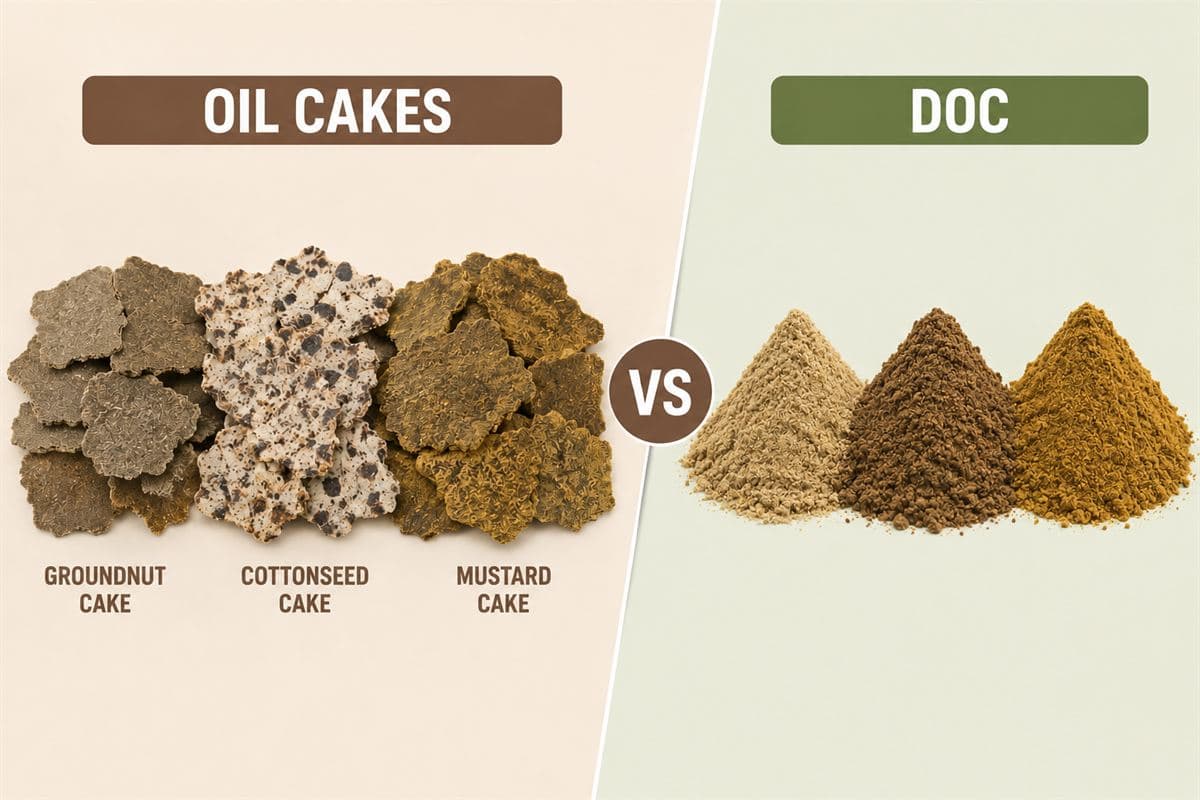
Oilseed Cake vs DOC (De-Oiled Cake / Meal) — Cottonseed, Groundnut & Mustard
Cake vs DOC (de-oiled cake/meal) in Indian cattle feed — cottonseed, groundnut, mustard. Protein, fat, price per protein, and when to use which.
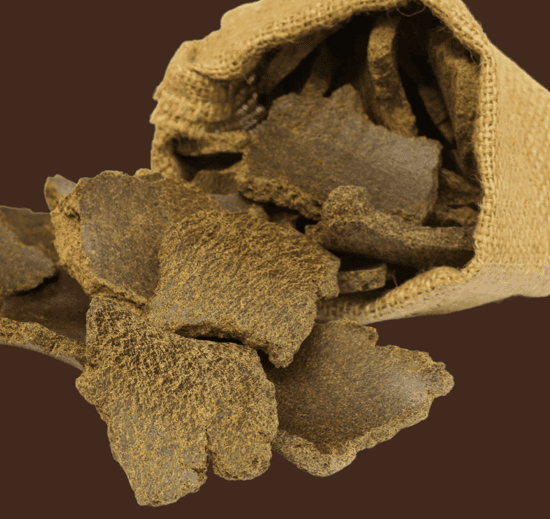
Mustard Cake (Sarson Khal) in Cattle Feed
Mustard cake (sarson khal) in Indian cattle feed — 28-32% protein, expeller vs solvent-extracted, glucosinolate limits, and Rajasthan sourcing.
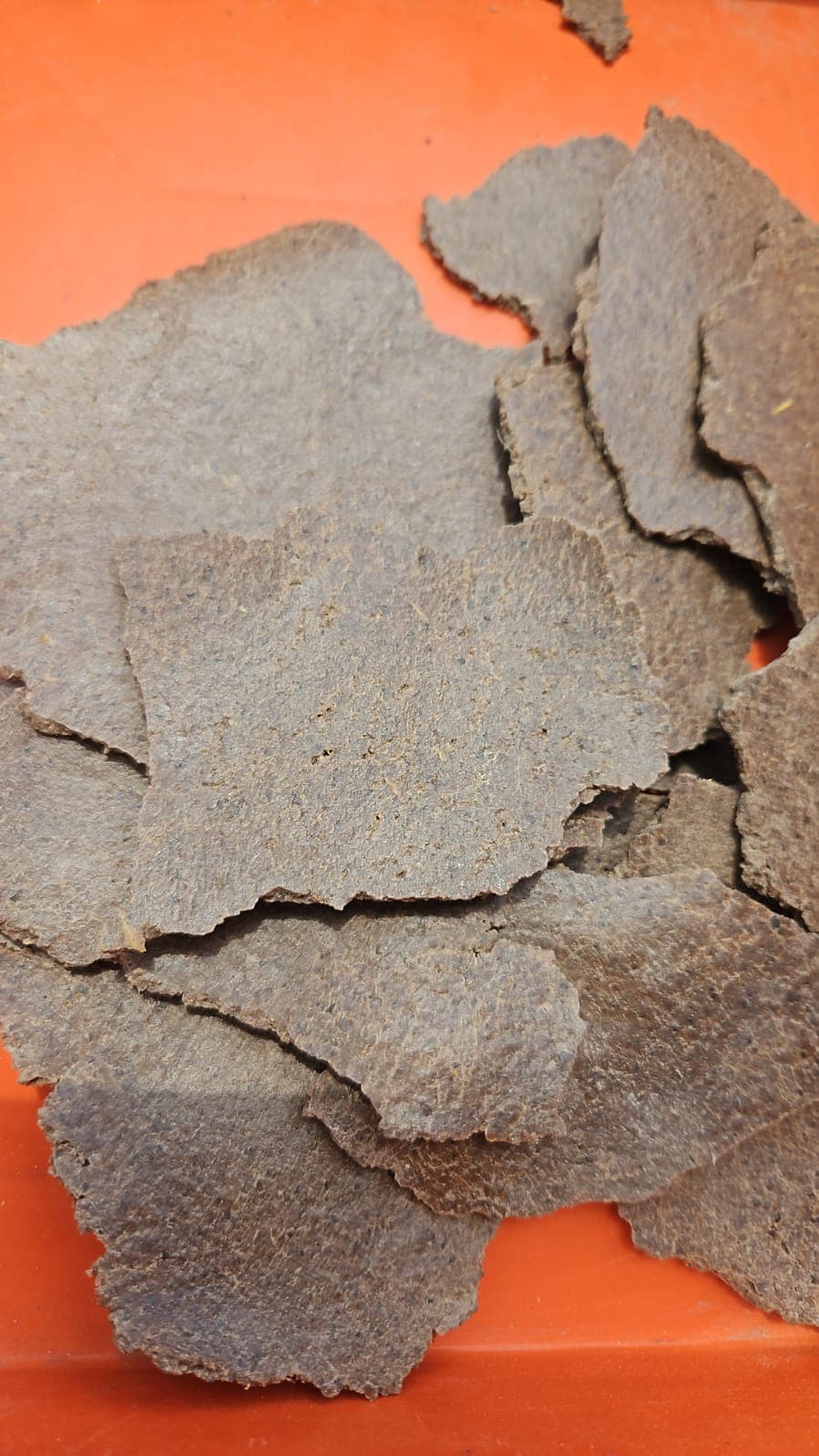
Groundnut Cake (Mungphali Khal) in Cattle Feed
Groundnut cake (mungphali khal) in Indian cattle feed — 38-45% protein, coin-shape sizing, aflatoxin risk, BIS limits, and Saurashtra sourcing.