Sheep Feeding & Nutrition
Sheep (Ovis aries) are a major small-ruminant species in India, with a national population of approximately 74 million animals spread across the country but concentrated in the semi-arid and arid belts of Rajasthan, Karnataka, Andhra Pradesh, Telangana, Tamil Nadu, and Maharashtra. Indian sheep production is dominantly mutton-focused, with wool as a secondary product from select breeds in cooler regions. Milk production from sheep is uncommon in India.
How sheep nutrition differs from cattle
Sheep have distinct nutritional needs that the typical Indian "cattle feed" formulation does not address well:
- Smaller body size (25–60 kg adult vs 350–500 kg for cattle) means smaller absolute feed requirement, but higher feed efficiency per kg of body weight
- No tolerance for urea or other non-protein nitrogen — sheep can be poisoned by even small amounts of urea-laden feed designed for adult cattle
- Grazing/pasture-adapted digestive system — sheep extract more from coarse, low-quality forage than cattle can
- High sensitivity to mineral imbalances — particularly copper toxicity (sheep are far less tolerant of copper than cattle, so cattle mineral mixture should never be used for sheep)
- Lower water intake — sheep tolerate water restriction better than cattle, an advantage in arid regions
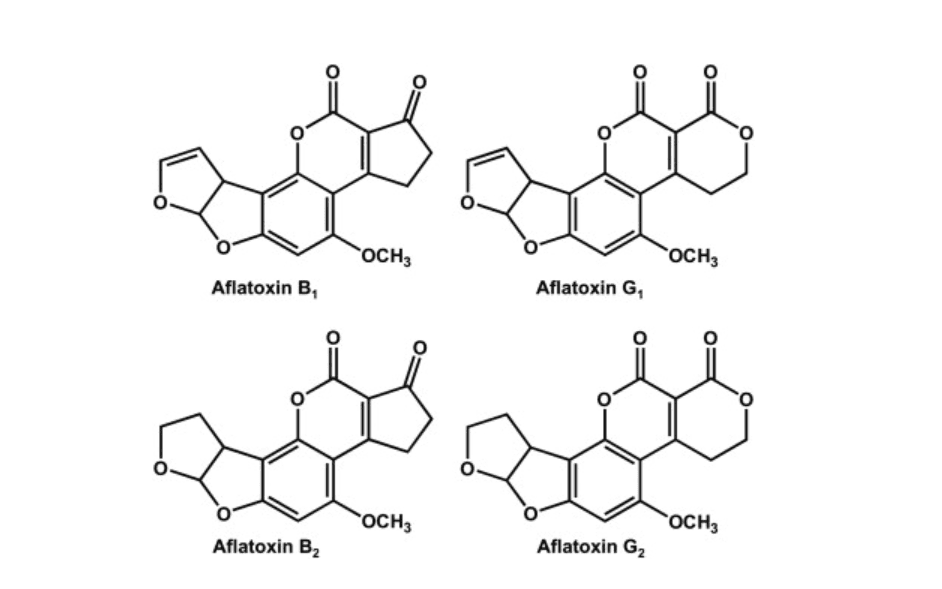
- More vulnerable to mycotoxins — see our aflatoxin in cattle feed guide; the BIS limits for cattle are too lenient for safe sheep feeding
The single most important rule for any Indian sheep operation: never feed sheep a feed labelled for adult cattle or buffalo unless it explicitly states "urea-free" and "sheep-safe". This is covered in detail in our sheep and goat feed guide.
Indian sheep breeds and their nutritional priorities
| Breed | Region | Primary use | Notes |
|---|---|---|---|
| Deccani | Maharashtra, Karnataka, AP | Mutton + coarse wool | Hardy, grazing-adapted |
| Nellore | Andhra Pradesh | Mutton | Largest body size of Indian sheep |
| Marwari | Rajasthan | Mutton + coarse wool | Desert-adapted |
| Magra | Rajasthan | Wool + mutton | White carpet-wool breed |
| Chokla | Rajasthan | Wool | Finest indigenous Indian wool |
| Bannur (Mandya) | Karnataka | Mutton | Premium mutton quality |
| Jaisalmeri | Rajasthan | Mutton | High meat yield, drought-tolerant |
| Garole | West Bengal | Mutton | Prolific breeder (often twins) |
For most Indian sheep operations, mutton-focused indigenous breeds are the right choice — they thrive on grazing-plus-supplementation systems and don't require the high-concentrate feeding regime that cattle dairy demands.
Feeding system: grazing plus targeted supplementation
Most Indian sheep are managed on a grazing-dominant system rather than confinement feeding:
- Grazing on village commons, fallow fields, or stubble provides the bulk of forage
- Concentrate supplementation at 5–10% of body weight in DM/day for adults, higher for lambs and lactating ewes
- Mineral mixture sheep-specific (lower copper than cattle mineral mixture)
- Salt access continuously
- Water at least once daily; more in summer
A typical concentrate mix for sheep: maize 35-40%, groundnut cake 20-25%, wheat bran 25-30%, mineral mixture 2%, salt 1%. Total concentrate per adult sheep: 200–500 g/day depending on body weight and stage.
Stage-specific feeding priorities
- Lamb (0–3 months) — milk from the ewe is primary; start small-grain creep feed from 3 weeks
- Growing lamb (3–8 months) — concentrate at 1.5–2.5% of body weight; this is where commercial mutton operations push for fast growth
- Lactating ewe — increase concentrate by 50% to support milk production for the lamb
- Pregnant ewe (last 6 weeks) — increase concentrate to support fetal growth; risk of pregnancy toxaemia in twin-bearing ewes if under-fed
- Adult / non-producing — pasture + maintenance concentrate only
Common challenges in Indian sheep operations
- Mineral deficiency — large flocks in arid Rajasthan and Karnataka run on grazing alone for months; cobalt, iodine, and zinc deficiencies build up silently
- Internal parasites — heavy worm burdens during monsoon; routine deworming is non-negotiable
- Mycotoxin contamination during monsoon storage of feed
- Heat stress in May–June — covered in our heat stress guide; indigenous Indian sheep handle it better than cattle but still benefit from shade and water
- Pasture exhaustion in lean dry months — hydroponic green fodder at small scale or stored fodder bridges the gap
Articles for sheep feeding
The article cards below cover sheep nutrition by life stage. For ingredient-level depth (which protein cake, which energy source, which mineral mix), see our raw materials and supplements sections. Daily wholesale prices for 21 feed commodities are updated on the prices dashboard each working day.
Lamb
Lactating
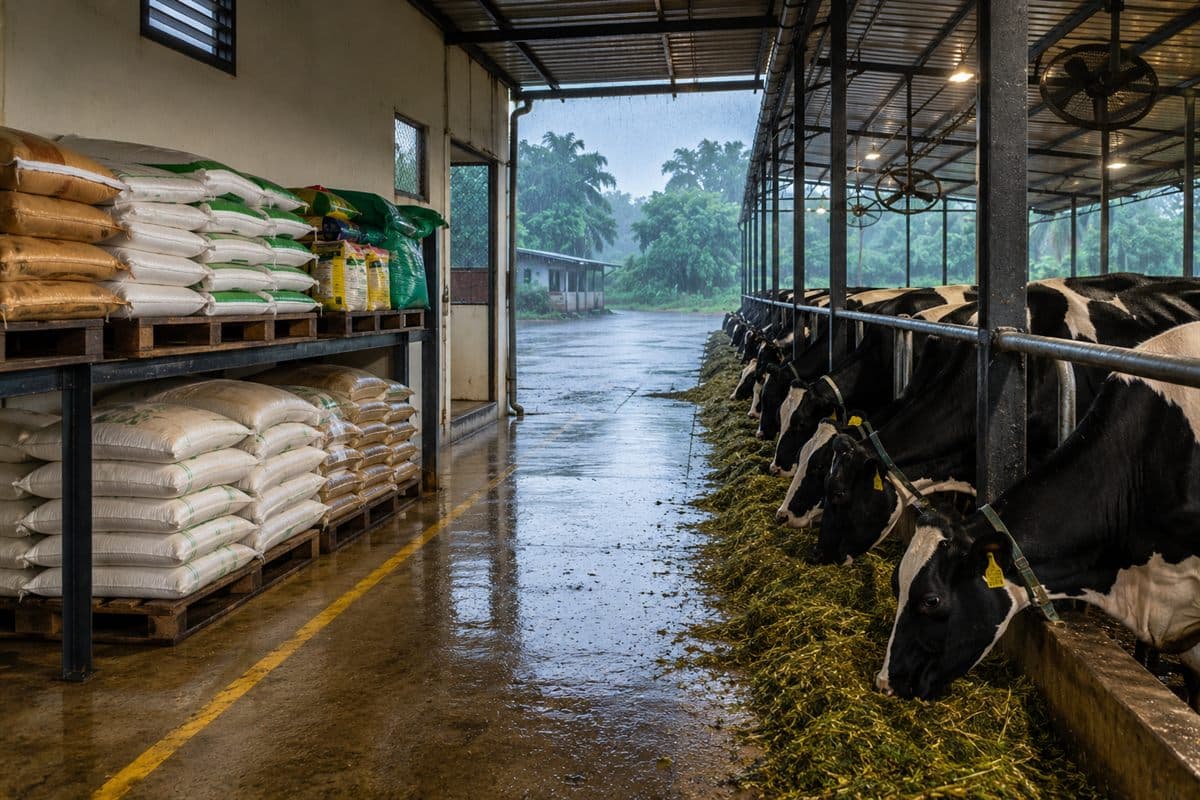
Monsoon Dairy Management: Protect Cattle, Feed & Milk Yield
Monsoon dairy management for Indian farmers — feed mould and aflatoxin control, mastitis prevention, hoof care, and a pre-monsoon checklist.
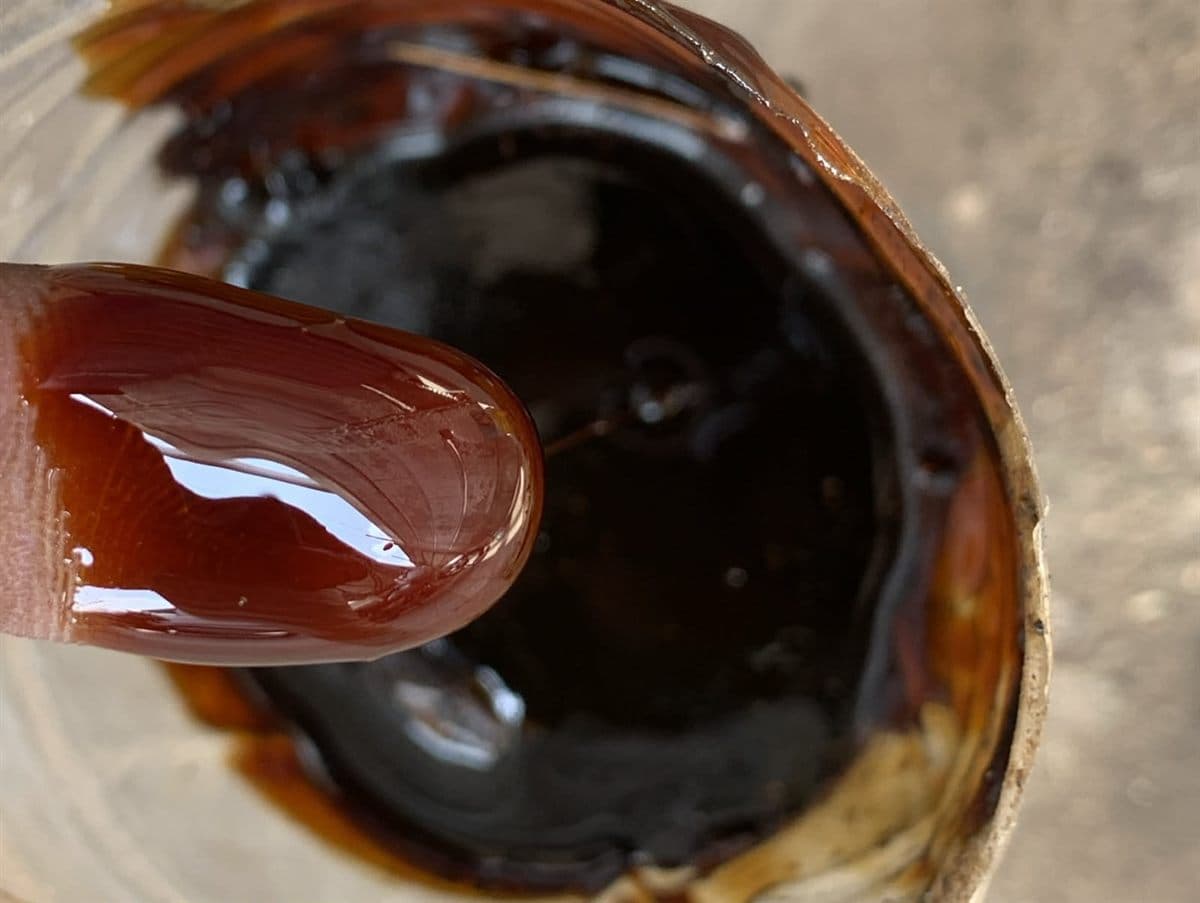
Liquid Molasses in Cattle Feed — Specs, Inclusion Rate, Tenders & Sourcing in India
Liquid molasses in Indian cattle feed pellets — Grade A specs, Brix and moisture, inclusion rate, tender sourcing, and the 2026 UP shortage.
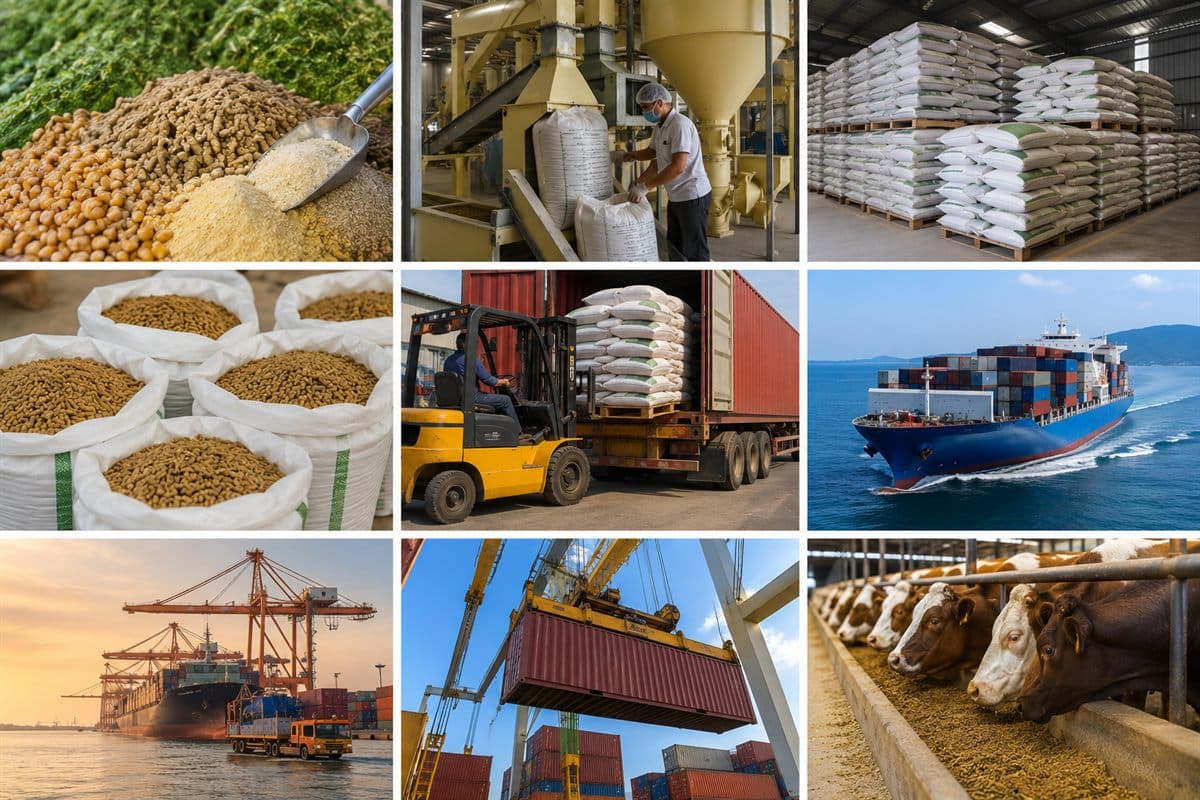
How to Export Cattle Feed from India — Documents, Buyers, Packaging & Container Loading
Export cattle feed from India — documents, buyer sourcing, payment terms, packaging, container loading, and common mistakes to avoid.
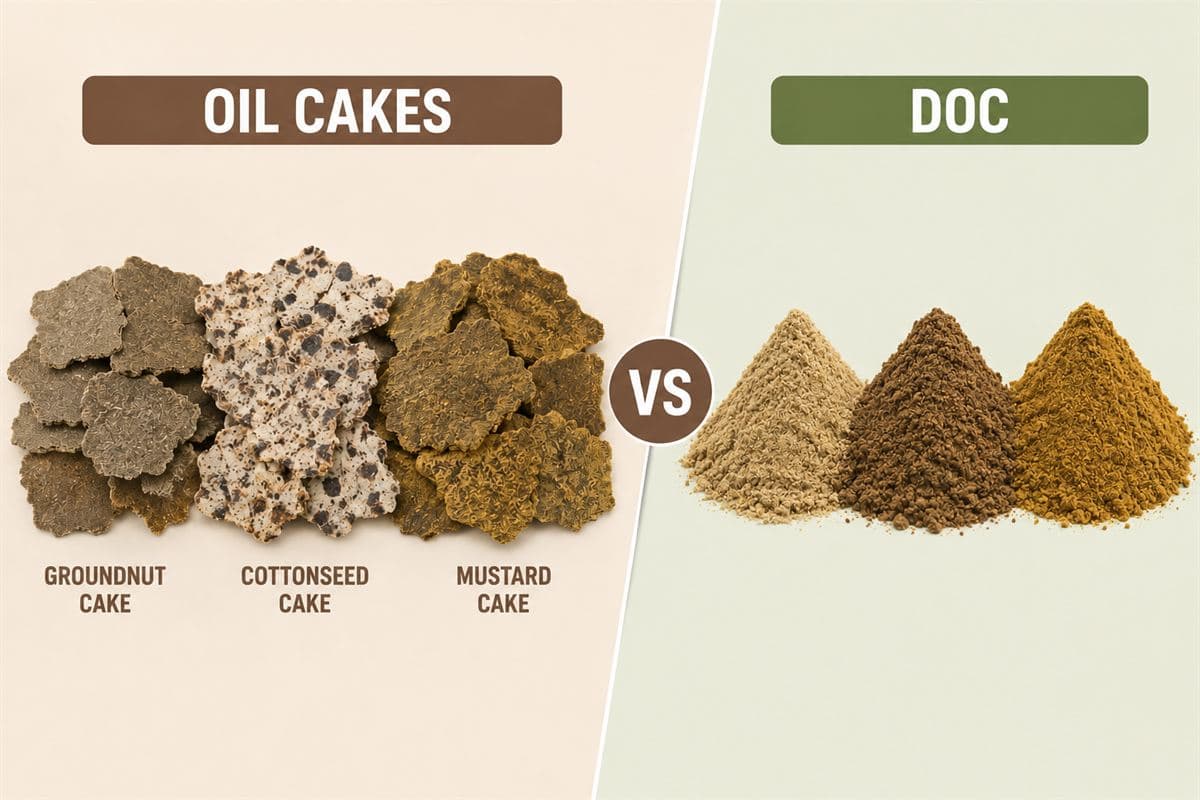
Oilseed Cake vs DOC (De-Oiled Cake / Meal) — Cottonseed, Groundnut & Mustard
Cake vs DOC (de-oiled cake/meal) in Indian cattle feed — cottonseed, groundnut, mustard. Protein, fat, price per protein, and when to use which.
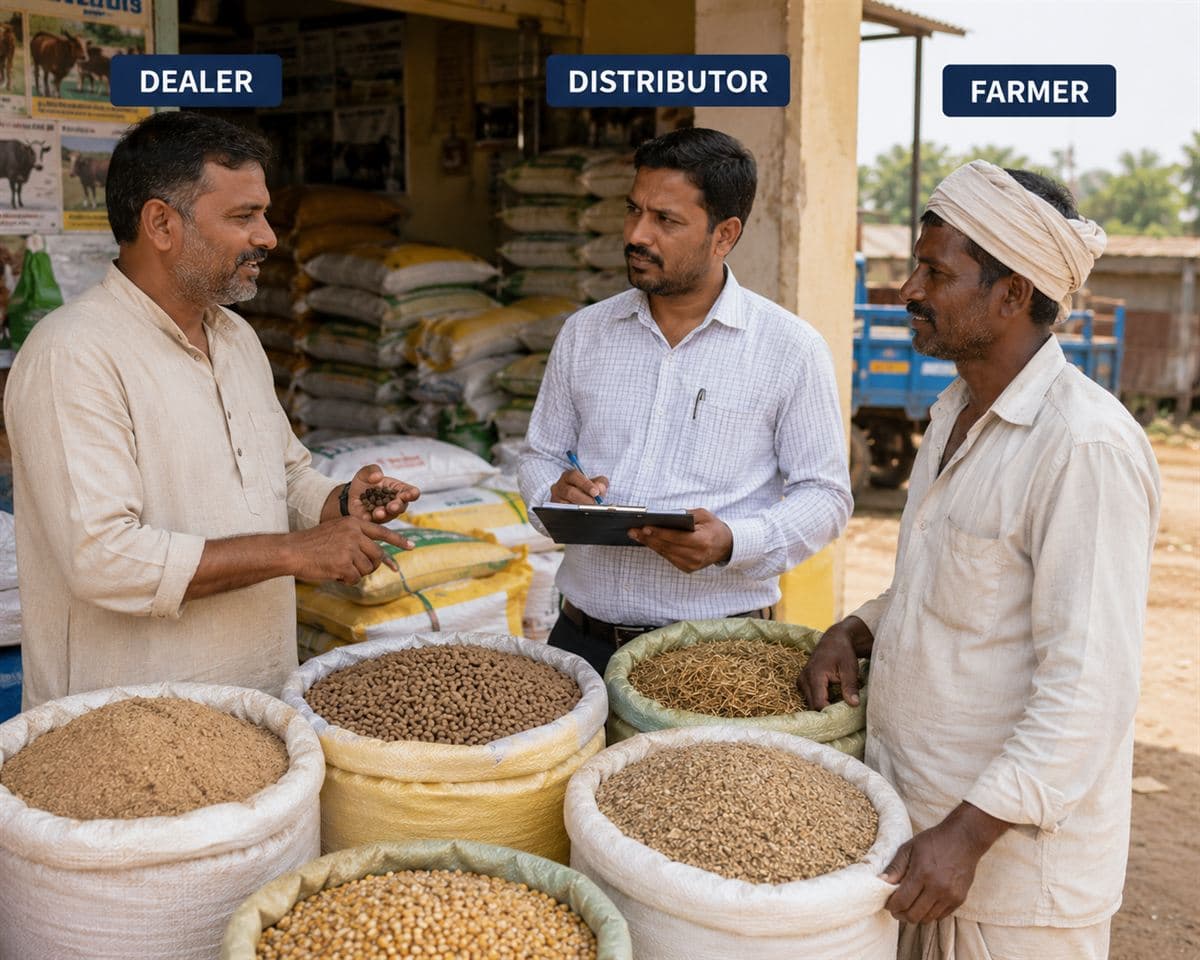
How Cattle Feed is Sold in India — The 5 Distribution Channels Explained
How cattle feed actually moves from factory to farmer in India — dealers, BMCs, distributor warehouses, schemes, and in-bag farmer gifts explained.
Cattle Insurance in India — Schemes, Premiums & Claim Process (2026)
Complete guide to cattle insurance in India — government schemes, premiums (2.5-4.5%), subsidies up to 90%, claim process, and how to apply.
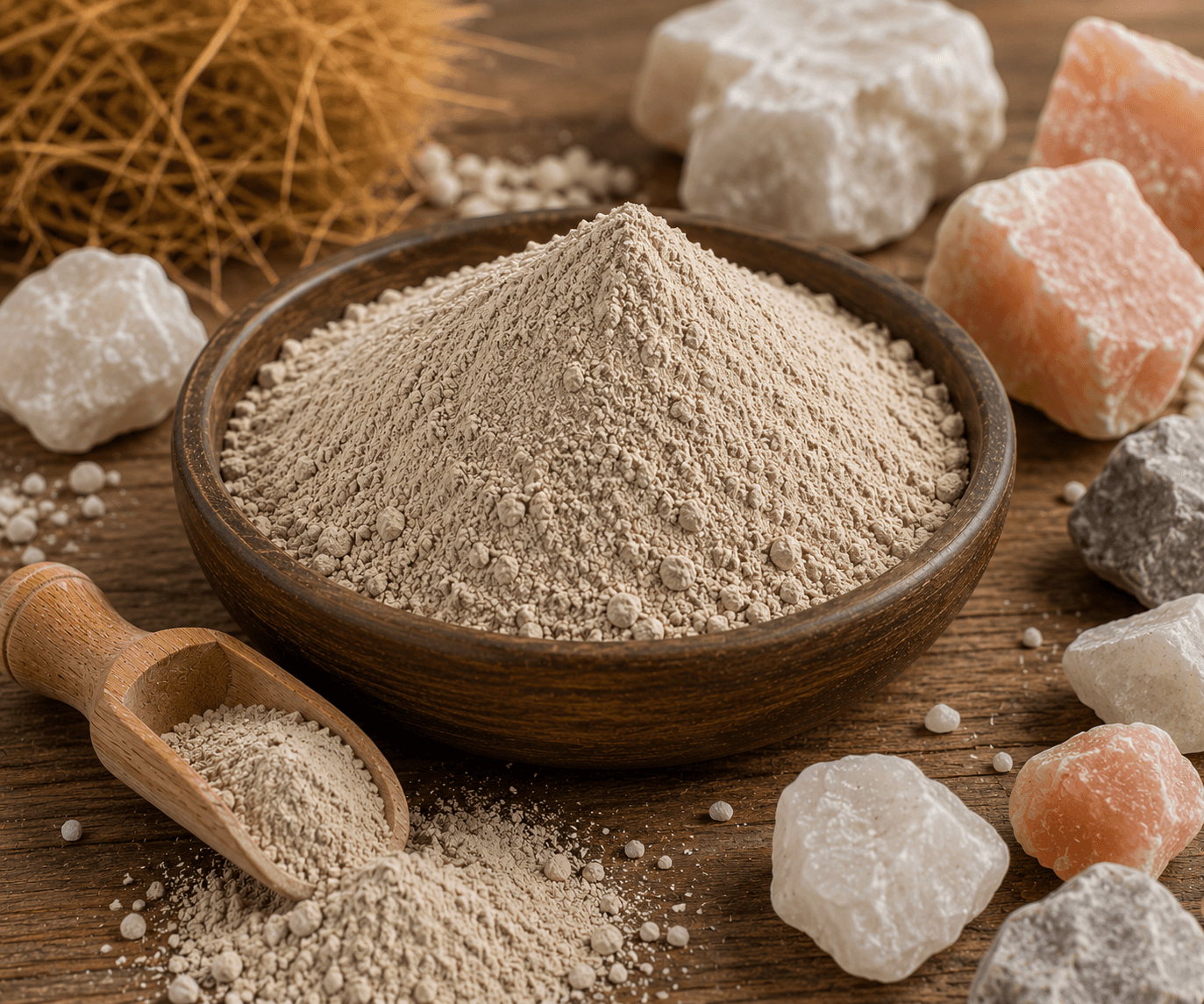
Mineral Mixture for Cattle Feed
Mineral mixture for Indian dairy — NDDB-prescribed formulation, role of each mineral, daily dose for milch animals and calves, and quality checks.
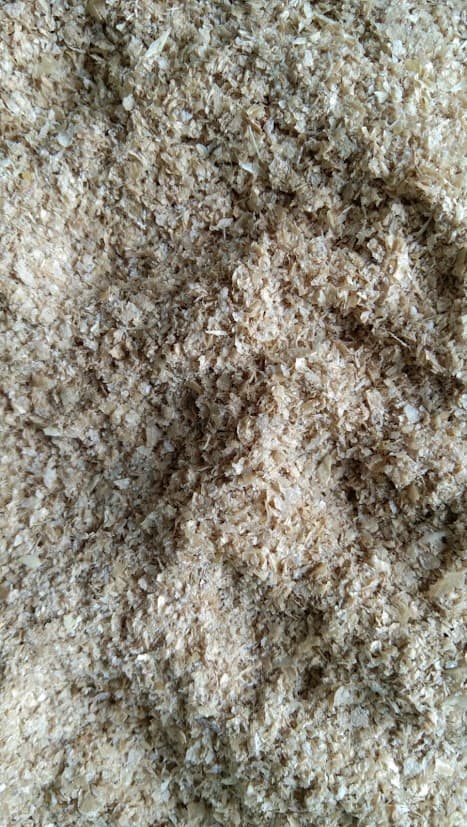
Wheat Bran (Gehu Chokar) in Cattle Feed
Wheat bran (gehu chokar) in Indian cattle feed — fine, super fine, and coarse types, 15% protein, and why DORB is replacing it in compound feed pellets.
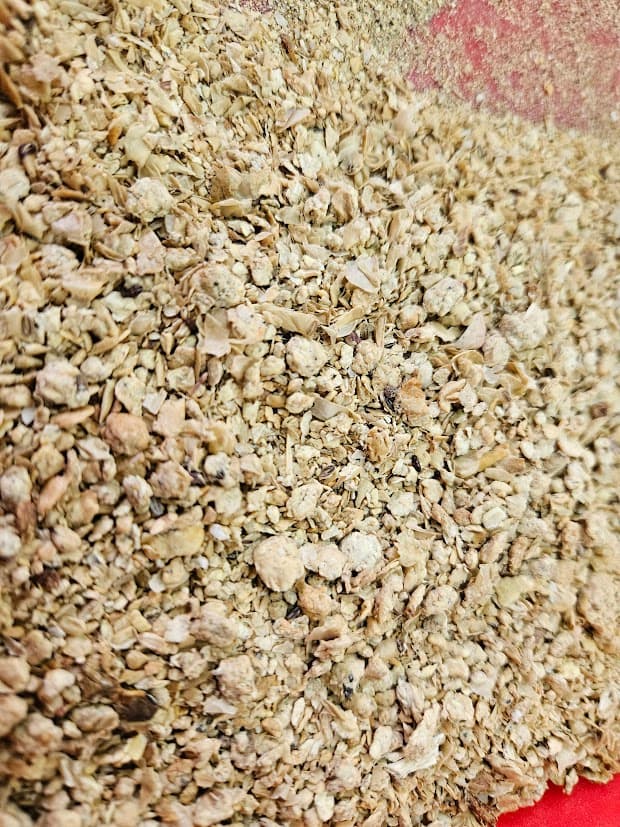
Soybean Meal in Cattle Feed
Complete guide to soybean meal in Indian cattle feed — three grades (45/48/50% protein), BIS standards, inclusion rates for cow, buffalo, sheep, and goat.
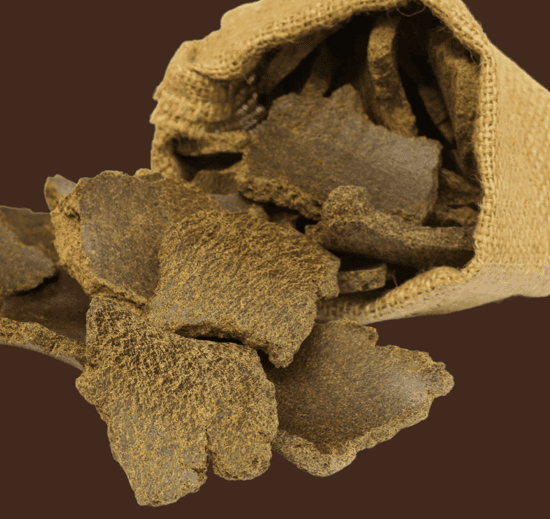
Mustard Cake (Sarson Khal) in Cattle Feed
Mustard cake (sarson khal) in Indian cattle feed — 28-32% protein, expeller vs solvent-extracted, glucosinolate limits, and Rajasthan sourcing.

Maize DDGS, Rice DDGS and Maize DOC in Cattle Feed
Complete guide to DDGS in Indian cattle feed — Maize DDGS, Rice DDGS, and Maize DOC. Protein and fat specs, colour-quality link, aflatoxin risk, dosing.
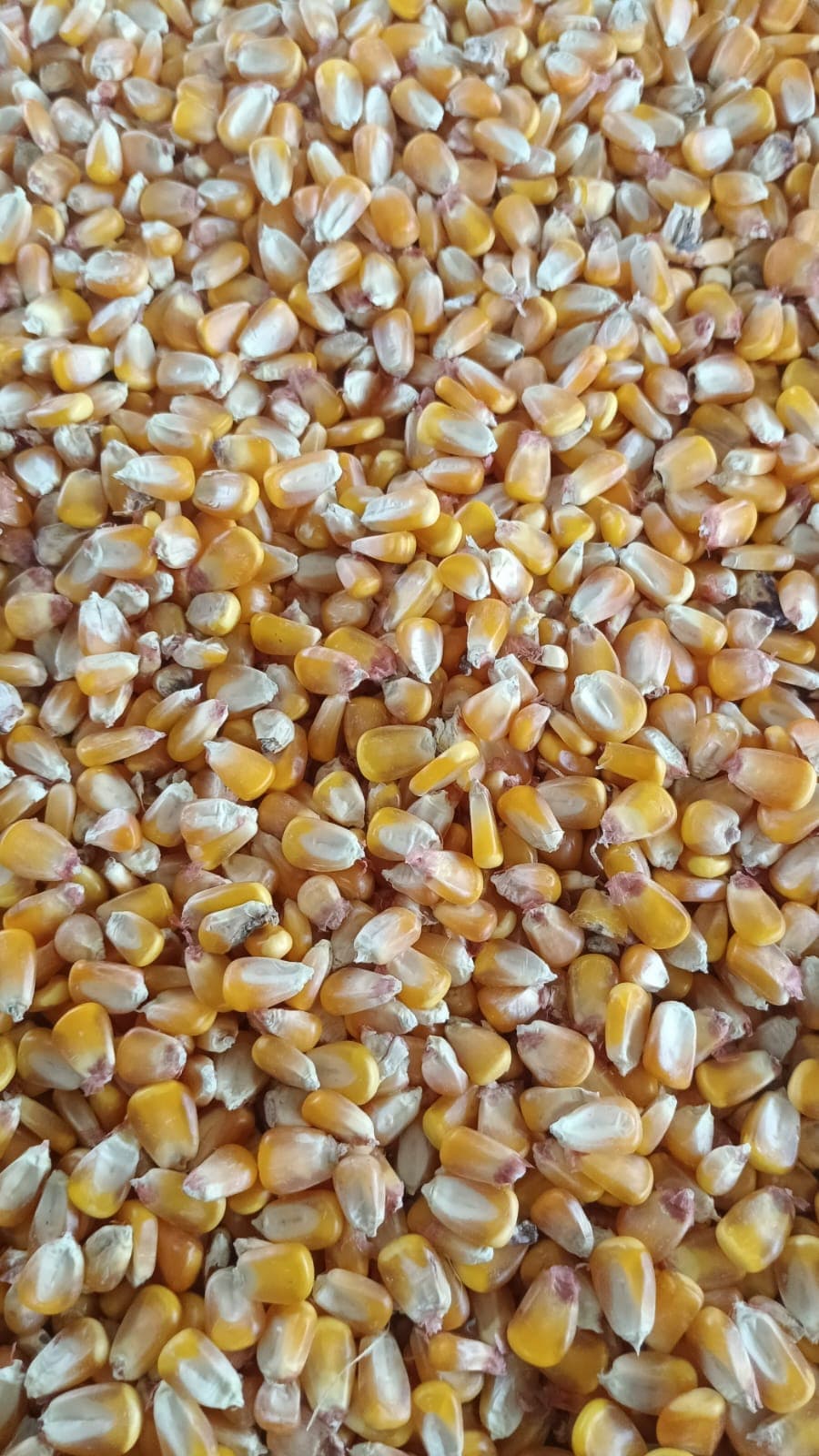
Maize as Cattle Feed
Maize in Indian cattle feed — protein and starch profile, the 10–35% inclusion rate, moisture and aflatoxin limits, acidosis prevention, and storage.
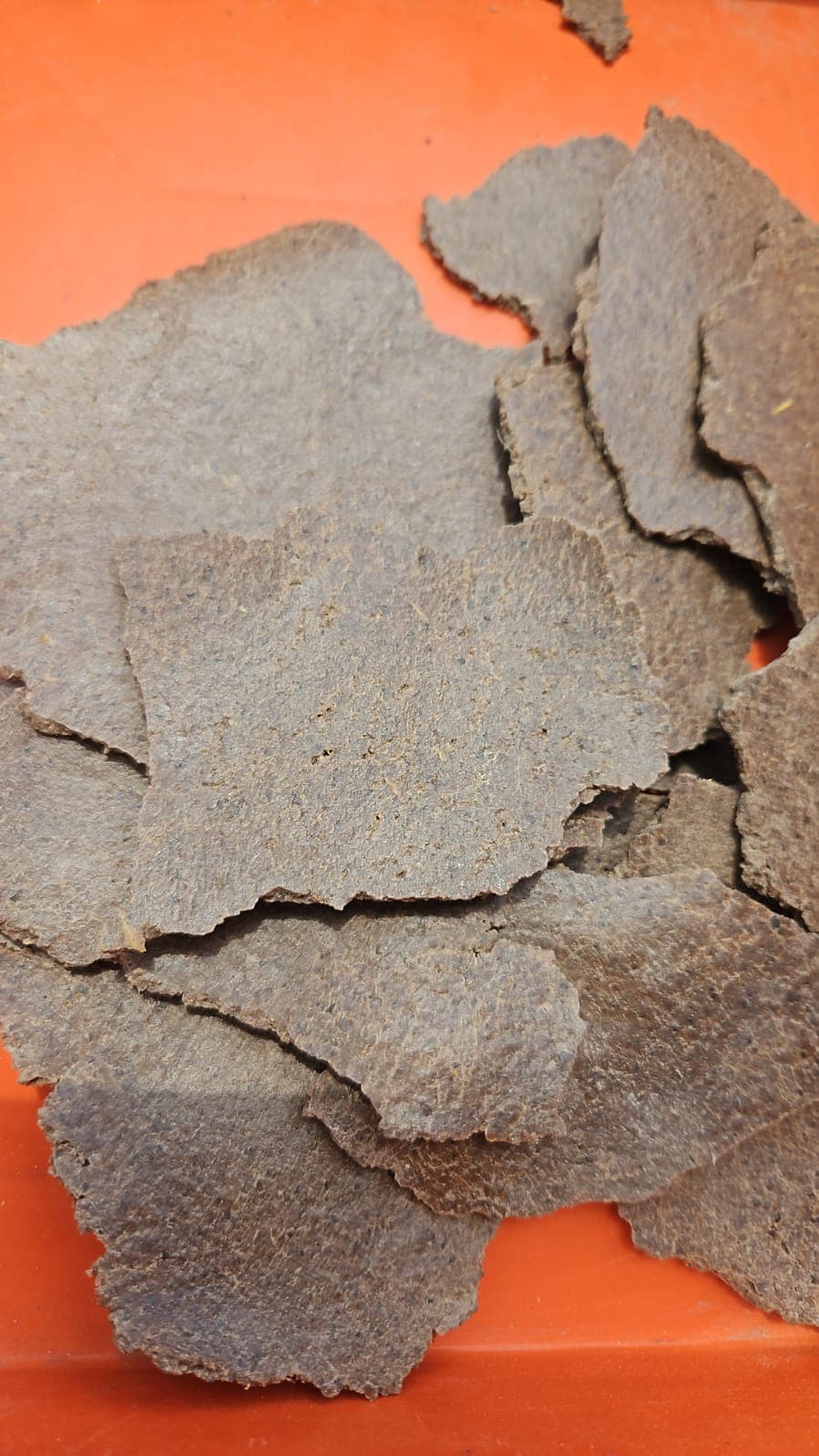
Groundnut Cake (Mungphali Khal) in Cattle Feed
Groundnut cake (mungphali khal) in Indian cattle feed — 38-45% protein, coin-shape sizing, aflatoxin risk, BIS limits, and Saurashtra sourcing.
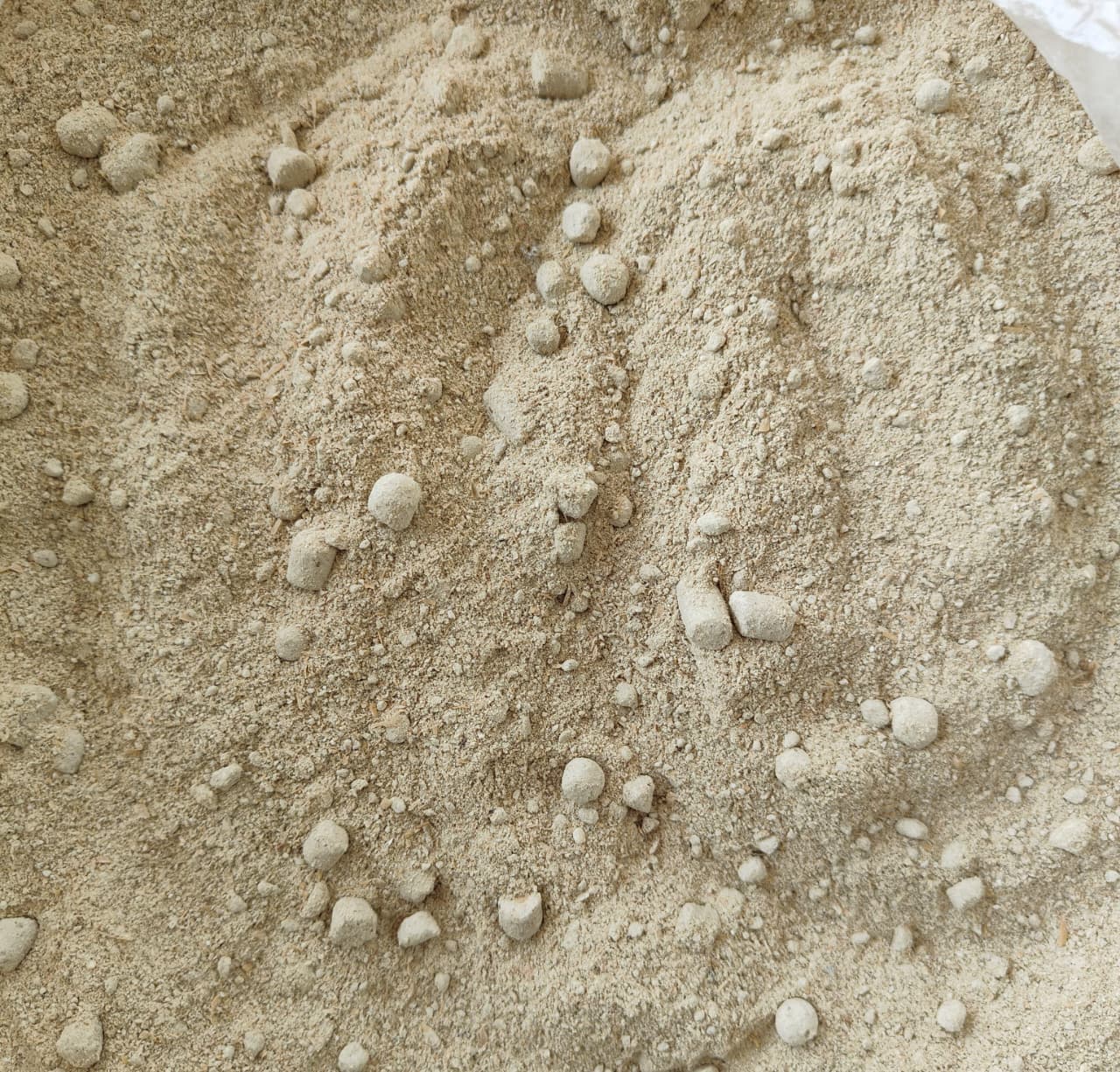
De-Oiled Rice Bran (DORB) in Cattle Feed
DORB in Indian cattle feed — 16-17% CP and 12-14% CF, why it's the main pellet raw material, BIS aflatoxin limit, adulteration tests, and inclusion rates.
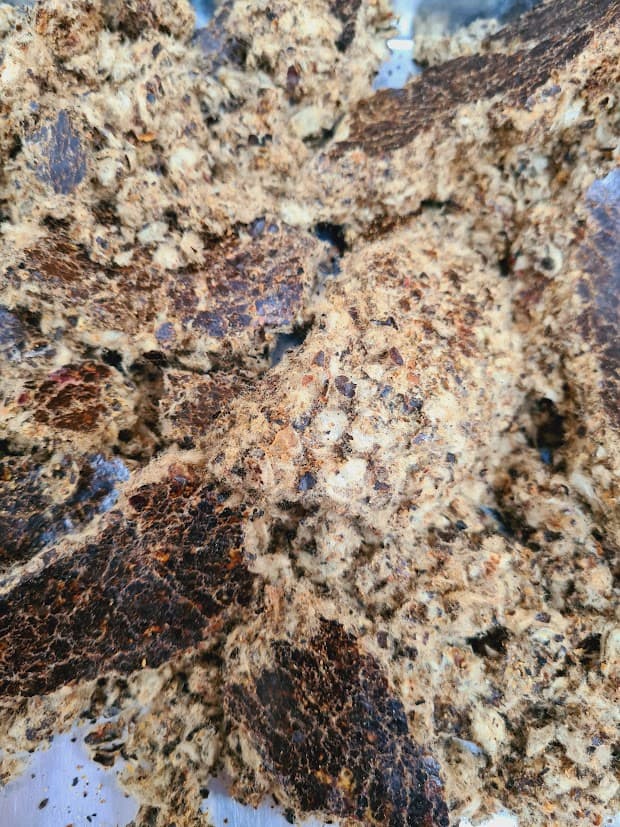
Cotton Seed Cake in Cattle Feed (Binola Khal)
Complete guide to cotton seed cake (binola khal) in Indian cattle feed — 22% protein, 12-14% fat for premium grade, gossypol, inclusion rates, prices.
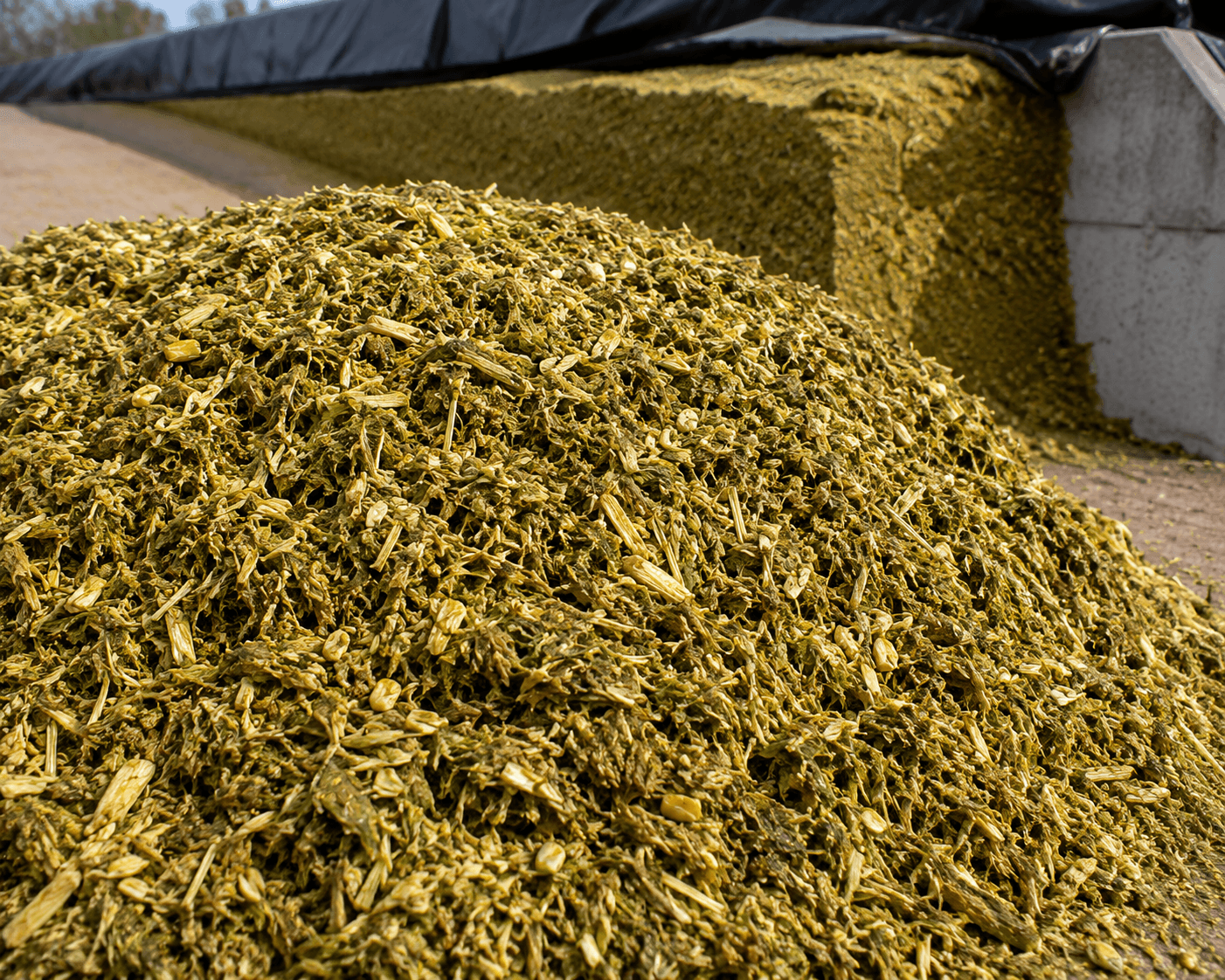
Silage Making for Cattle: Complete Guide
Complete silage making guide for Indian dairy — maize silage process, moisture and chop length targets, sealing, fermentation, and quality checks.
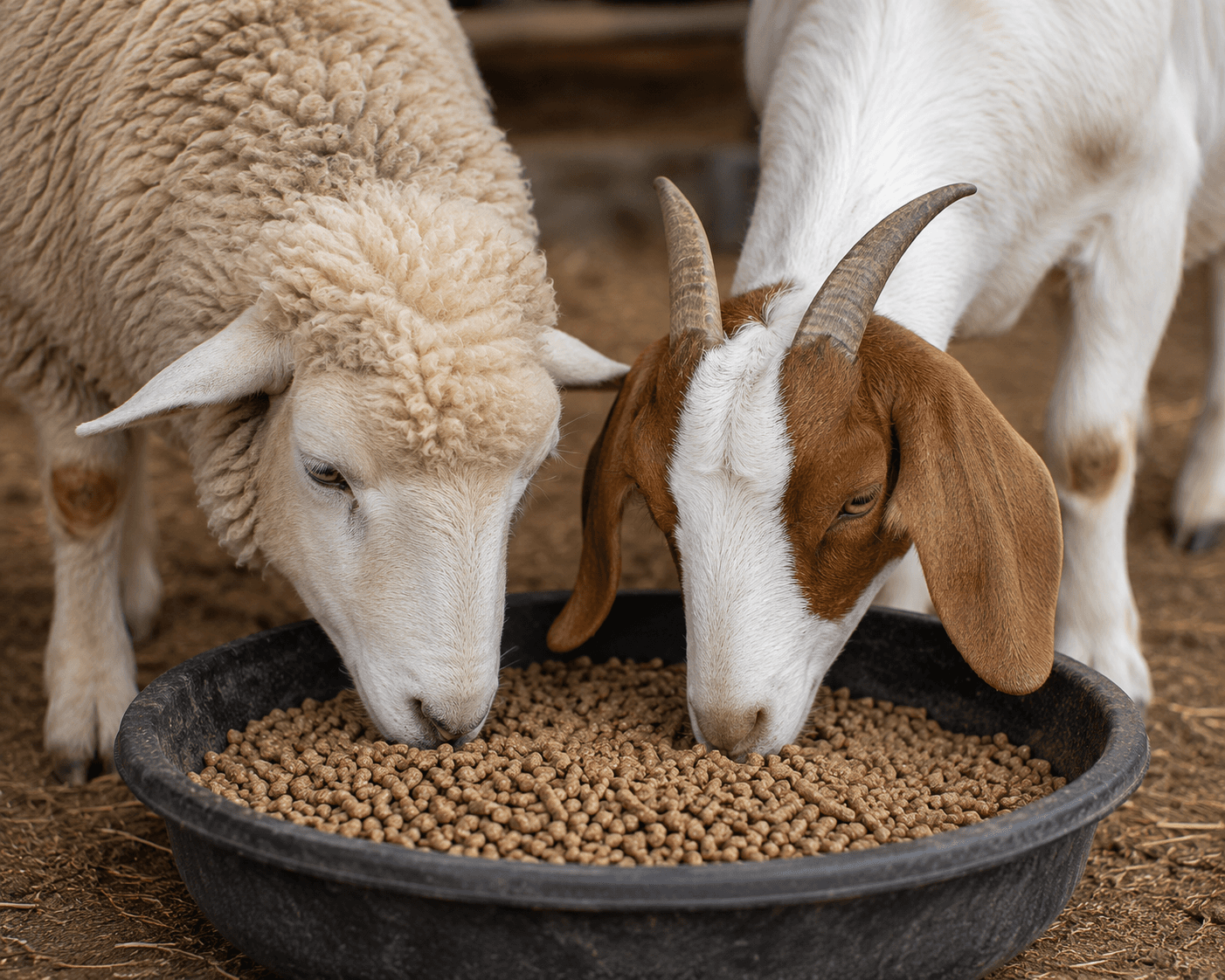
Sheep and Goat Feed: Complete Guide for Indian Smallholders
Sheep and goat feed in India — daily concentrate rate by body weight, why feed is urea-free, sheep vs goat differences, and breed-specific notes.
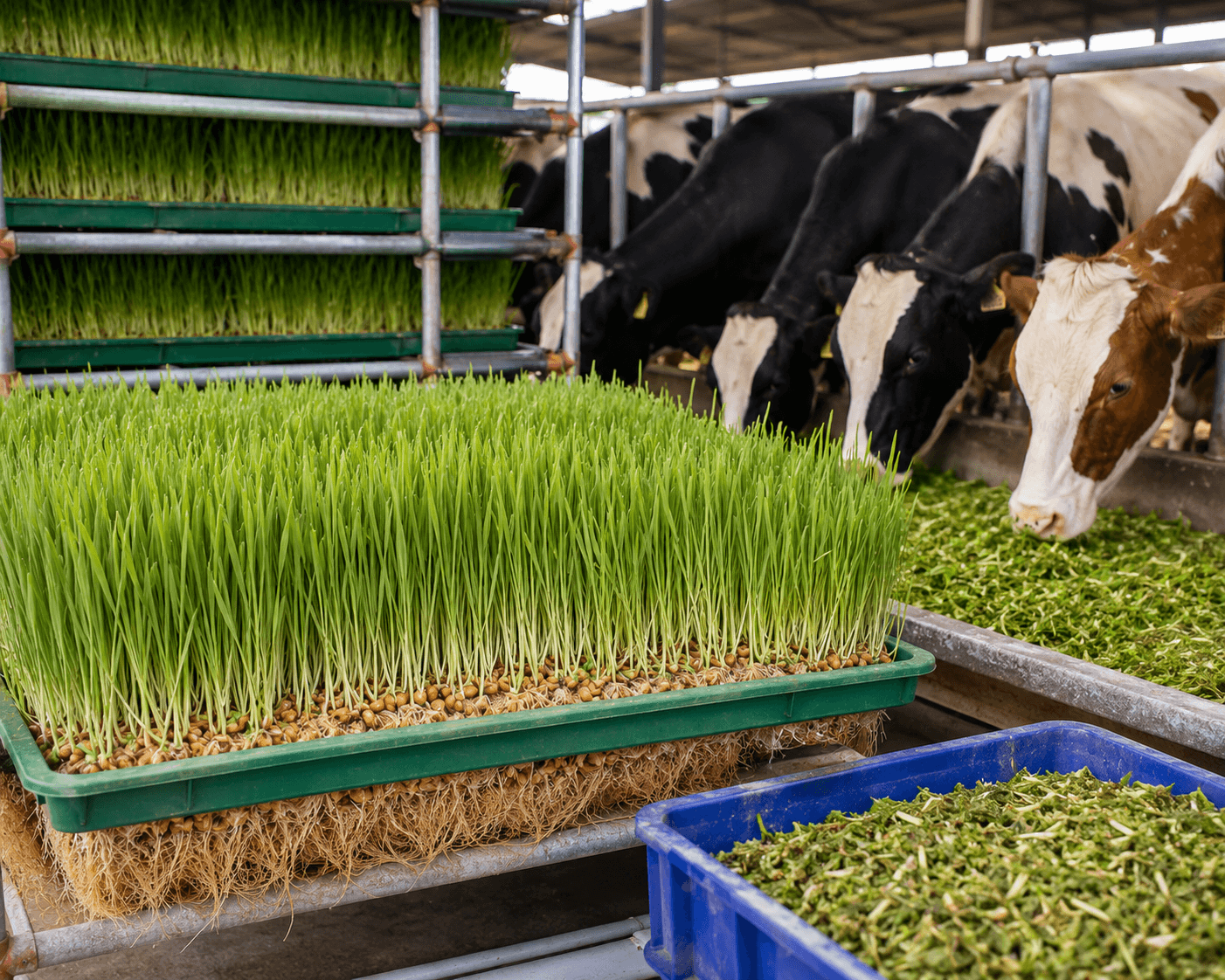
Hydroponic Green Fodder for Indian Dairy
Hydroponic green fodder for Indian dairy — grow fresh fodder from barley seeds in 7 days, setup cost, feeding rates, problems, and ROI for small farms.
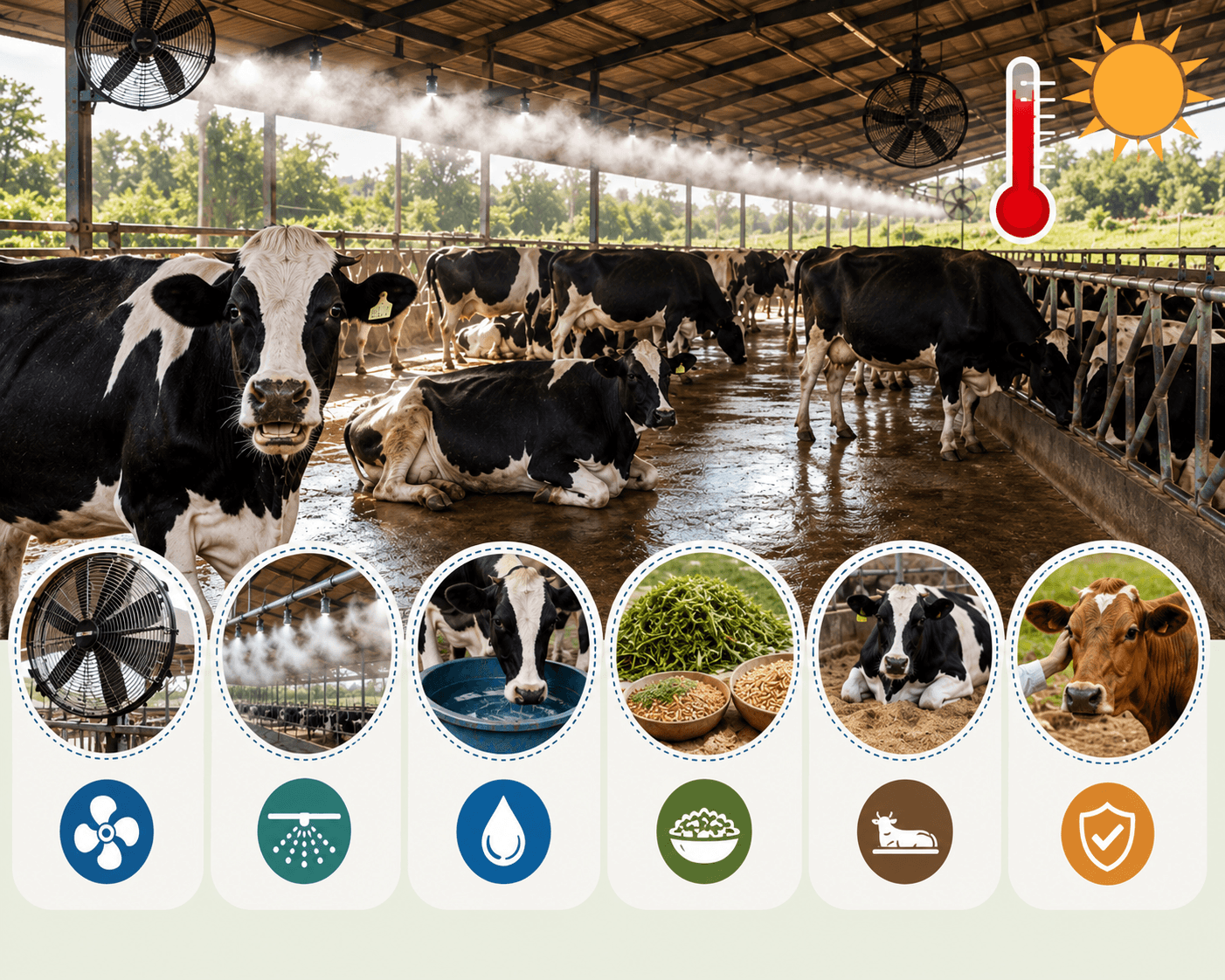
Heat Stress in Dairy Cattle: How to Manage Summer in India
Managing summer heat stress in Indian dairy cattle and buffalo — signs to watch, cooling methods (shade, fans, sprinklers), and keeping milk yield steady.
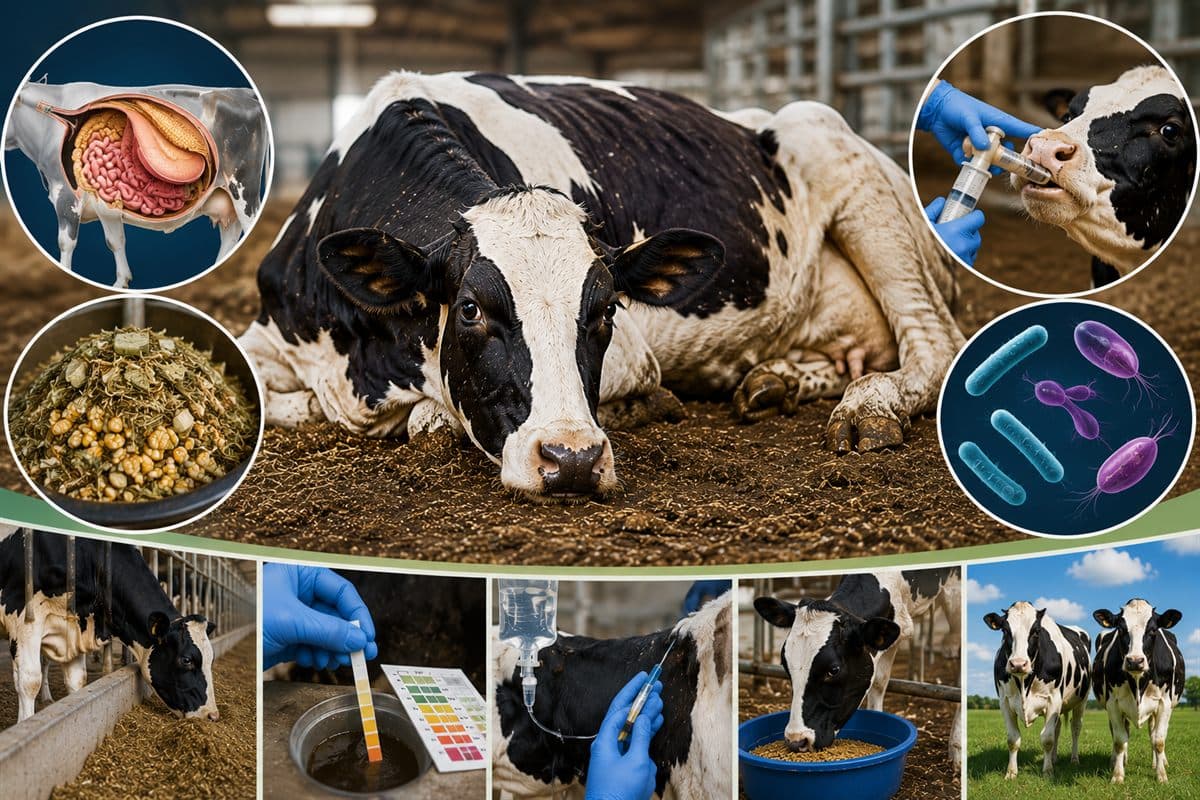
Acidosis in Dairy Cattle: Causes, Prevention & Treatment
Rumen acidosis in dairy cattle — why maize-heavy rations trigger it, milk fat depression as the early warning, sodium bicarbonate buffer, and treatment.
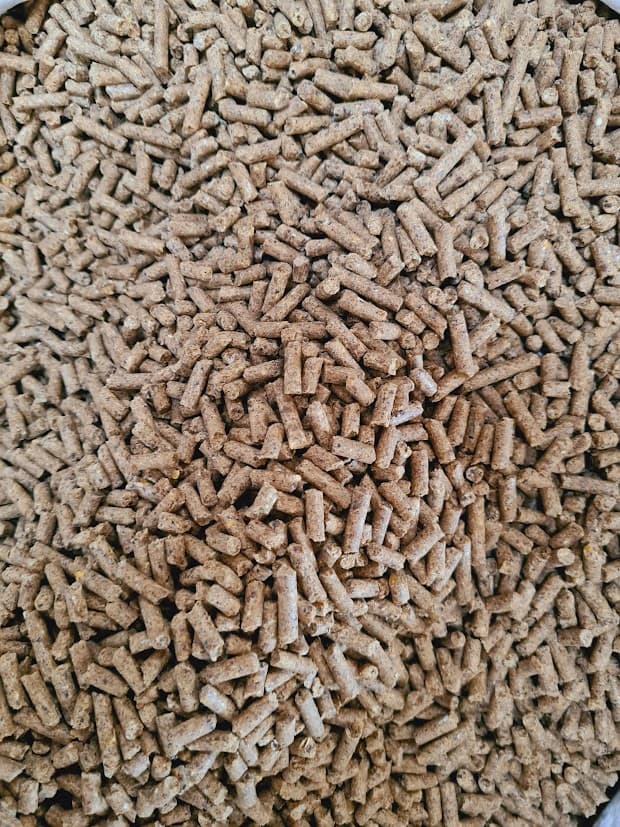
Compound Cattle Feed in India — BIS Type 1 vs Type 2
Compound cattle feed in India — BIS IS:2052 Type 1 vs Type 2 specs, why feed is sold as pellets, the 20% protein labelling rule, and how to choose.
Pregnant
Monsoon Dairy Management: Protect Cattle, Feed & Milk Yield
Monsoon dairy management for Indian farmers — feed mould and aflatoxin control, mastitis prevention, hoof care, and a pre-monsoon checklist.
How Cattle Feed is Sold in India — The 5 Distribution Channels Explained
How cattle feed actually moves from factory to farmer in India — dealers, BMCs, distributor warehouses, schemes, and in-bag farmer gifts explained.
Cattle Insurance in India — Schemes, Premiums & Claim Process (2026)
Complete guide to cattle insurance in India — government schemes, premiums (2.5-4.5%), subsidies up to 90%, claim process, and how to apply.
Mineral Mixture for Cattle Feed
Mineral mixture for Indian dairy — NDDB-prescribed formulation, role of each mineral, daily dose for milch animals and calves, and quality checks.
Sheep and Goat Feed: Complete Guide for Indian Smallholders
Sheep and goat feed in India — daily concentrate rate by body weight, why feed is urea-free, sheep vs goat differences, and breed-specific notes.
Heat Stress in Dairy Cattle: How to Manage Summer in India
Managing summer heat stress in Indian dairy cattle and buffalo — signs to watch, cooling methods (shade, fans, sprinklers), and keeping milk yield steady.
Adult
How to Export Cattle Feed from India — Documents, Buyers, Packaging & Container Loading
Export cattle feed from India — documents, buyer sourcing, payment terms, packaging, container loading, and common mistakes to avoid.
How Cattle Feed is Sold in India — The 5 Distribution Channels Explained
How cattle feed actually moves from factory to farmer in India — dealers, BMCs, distributor warehouses, schemes, and in-bag farmer gifts explained.
Cattle Insurance in India — Schemes, Premiums & Claim Process (2026)
Complete guide to cattle insurance in India — government schemes, premiums (2.5-4.5%), subsidies up to 90%, claim process, and how to apply.
Mineral Mixture for Cattle Feed
Mineral mixture for Indian dairy — NDDB-prescribed formulation, role of each mineral, daily dose for milch animals and calves, and quality checks.
Sheep and Goat Feed: Complete Guide for Indian Smallholders
Sheep and goat feed in India — daily concentrate rate by body weight, why feed is urea-free, sheep vs goat differences, and breed-specific notes.