Mustard Cake price today in India
Oilseed cake from mustard seed processing.
Last 30 days
Statistics (30 days)
About Mustard Cake in cattle feed
Mustard cake (locally sarson khal) is the residue from oil extraction of mustard/rapeseed. It is the second-most-used protein source in Indian cattle feed after cotton seed cake, delivering 28-32% crude protein along with useful sulphur-containing amino acids. The traditional expeller cake retains 6-10% residual oil; the newer solvent-extracted version (Mustard DOC) has under 2% fat and slightly higher protein.
Mustard cake has a stronger place in north Indian cattle rations than in the south, mirroring where mustard is grown — Rajasthan, Uttar Pradesh, Haryana, and Madhya Pradesh together account for over 80% of India's mustard crop. Typical inclusion in dairy compound feed is 8-15% of the concentrate. Higher inclusion is limited by the glucosinolate content, which at extreme doses can suppress iodine uptake and mildly irritate the digestive tract.
Mustard cake prices in India peak in July-September (before the new rabi crop arrives) and drop in February-April at harvest. Global rapeseed prices also influence Indian mustard cake because oil mills adjust between imported canola oil and domestic mustard oil based on the arbitrage.
Articles about Mustard Cake
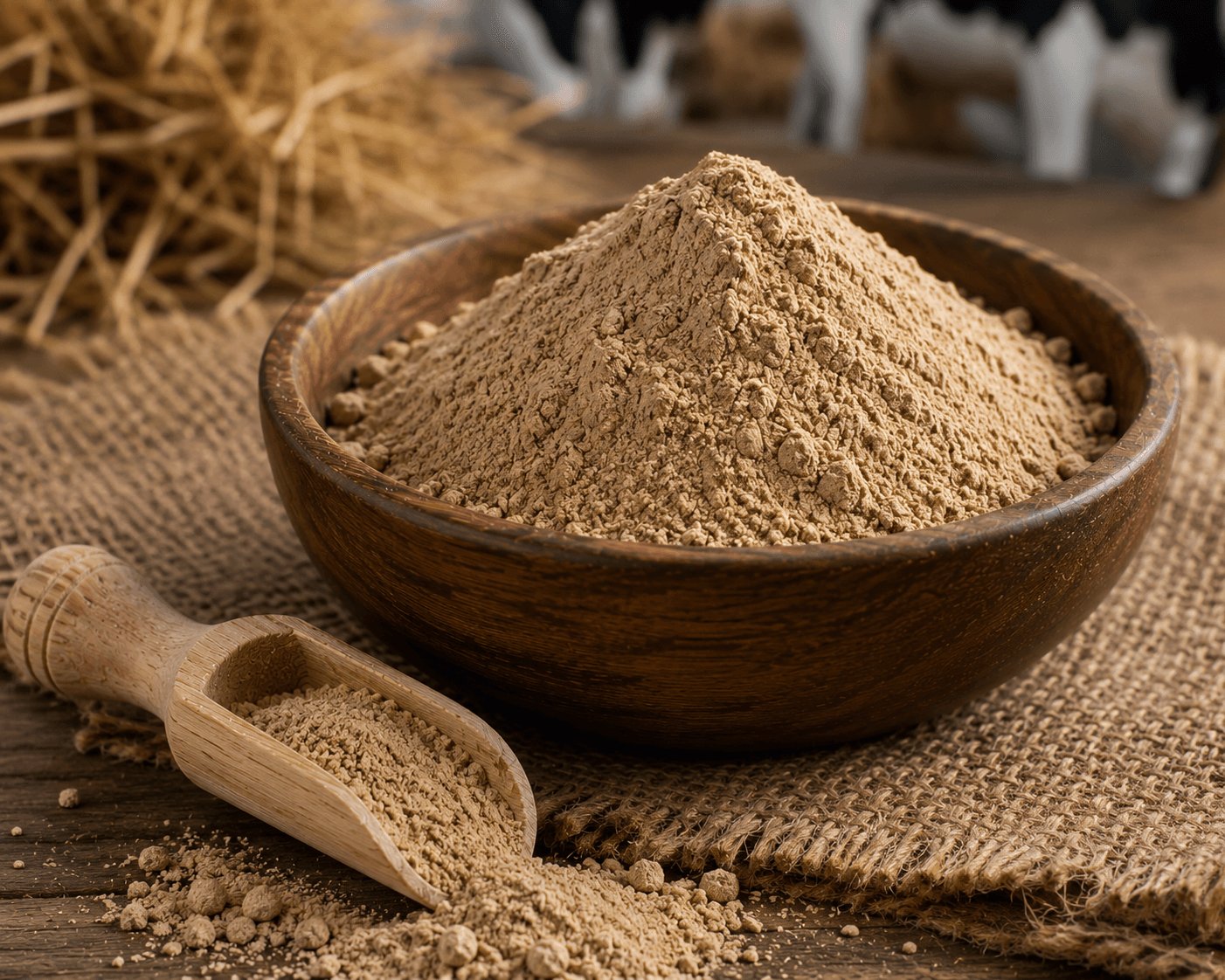
Bypass Protein in Cattle Feed
Bypass protein in Indian dairy — bypass soybean DOC vs mustard DOC, RUP/RDP fractions, PDIN/PDIE values, dosing by milk yield, and ROI for high-yield herds.
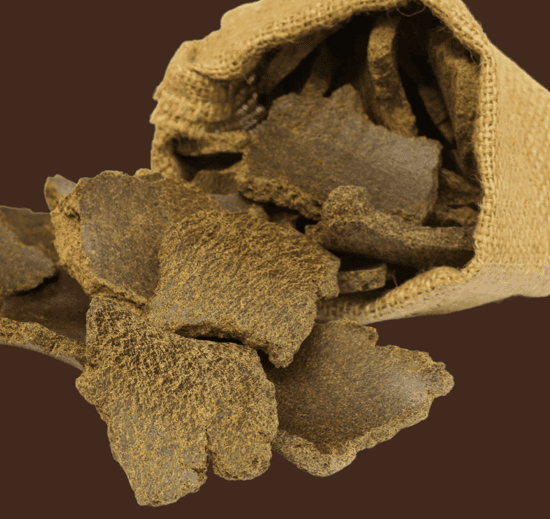
Mustard Cake (Sarson Khal) in Cattle Feed
Mustard cake (sarson khal) in Indian cattle feed — 28-32% protein, expeller vs solvent-extracted, glucosinolate limits, and Rajasthan sourcing.
Related protein sources
Frequently asked questions about Mustard Cake
What is mustard cake price per kg today in India?
Mustard cake wholesale price varies daily by mill and region. The live price on this page reflects current wholesale rate for expeller mustard cake. Rajasthan and Haryana usually offer the lowest rates. Mustard DOC (solvent-extracted, de-oiled) trades ₹1-3/kg lower than expeller cake because of the lower fat content.
How much mustard cake can I feed to my dairy cow?
Mustard cake inclusion should stay at 8-15% of the concentrate ration for dairy cattle. Higher inclusion is possible for dry cows and low-yielders (up to 20%). The upper limit exists because of glucosinolates — natural sulphur compounds in mustard that at high doses can suppress iodine metabolism. Balancing the ration with a mineral mixture that includes iodine addresses this concern.
What is the difference between mustard cake and mustard DOC?
Mustard cake is the expeller-pressed residue (6-10% residual oil, 28-32% protein). Mustard DOC (De-Oiled Cake) is the solvent-extracted version — the oil is chemically removed, leaving under 2% fat but 34-38% protein. DOC costs slightly less per kg but provides more protein per rupee. Expeller cake is preferred where farmers value the extra fat for milk richness (buffalo dairies especially); DOC is preferred for cost-optimised protein delivery in Type-1 compound feed.
Is mustard cake safe for buffaloes?
Yes, mustard cake is safe for buffaloes at normal inclusion (10-15% of concentrate). Some traditional buffalo dairies in Haryana and UP feed mustard cake at higher levels for the fat and rich flavour it contributes. Always ensure adequate iodine in the mineral mixture and never feed mouldy or wet mustard cake — the mould can produce aflatoxin that concentrates in the fat and passes into milk.